Why deep-hole faults show up so quickly
Gun-drilling and deep-hole boring are unforgiving because the tool is working long after the first cut has started. A small error in centring, feed, pressure or support can show up metres later as a hole that drifts, chatters or finishes out of round. In many South African workshops, the issue is not one big failure but several small ones adding up.
On the shop floor in Benoni or Germiston, the first sign is often a change in sound. The machine starts to sing, the chip breaks differently or the coolant return looks uneven. That is usually the moment to stop and check before the part is beyond saving. If the job is pushed through, you may only find the problem after inspection, when rework costs have already climbed.
- Drill wandering from centreline
- Poor surface finish inside the bore
- Oversize or undersize diameter
- Chip packing and tool heating
When the hole runs off line
Hole drift is one of the most common deep-hole errors. It can come from poor workholding, a misaligned guide bushing, worn tooling or a setup that was rushed during changeover. If the tool starts slightly off axis, it will keep following that mistake through the length of the bore.
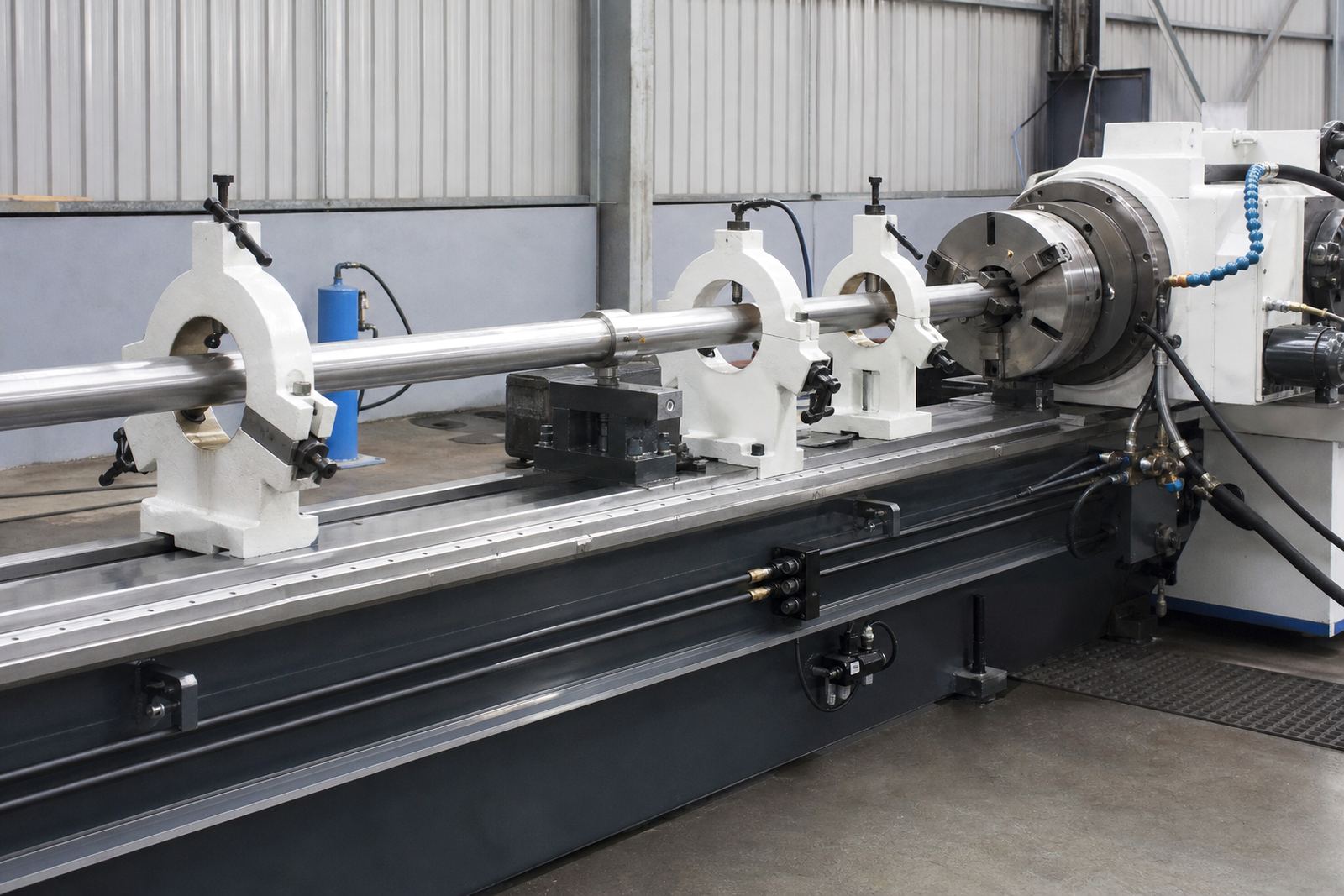
Alignment checks matter even more on long parts where the machine table, tailstock and support points all need to work together. A part that looks fine at the start can move under load, especially if clamping is uneven or the material is already stressed from prior machining.
- Check workpiece alignment before the first cut
- Inspect guide bushings and support points for wear
- Confirm clamping pressure is even across the setup
- Review whether the material is distorting under load
A common local example is a Johannesburg jobbing shop cutting hydraulic components for mining equipment. The first few parts pass, then one bore starts to wander because the clamping arrangement was changed after a shift handover and not rechecked. That kind of error is easy to miss and costly to fix later.
Rough bore finish and chatter marks
Surface finish problems usually point to vibration, poor chip evacuation or incorrect cutting conditions. Deep-hole work produces a long contact zone, so any instability gets translated into marks inside the bore. The part may still measure close to size, but finish quality can fail inspection or affect sealing performance.
Tool condition also plays a part. A dull cutting edge, damaged guide, or contaminated coolant can all leave the bore looking torn or scored. In humid coastal conditions, such as in Durban or Gqeberha, coolant care and machine cleanliness become even more important because rust, sludge and contamination can build up faster than expected.
- Listen for chatter or uneven cutting noise
- Check coolant delivery and return flow
- Inspect tooling for wear, chips or scoring
- Keep the machine and coolant system clean
Diameter that drifts out of tolerance
When bore size changes through the part, the cause is often a mix of tool wear, thermal movement and process setup. Feed that is too aggressive can open the hole too much, while a setup that runs too hot may change dimensions as the machine and workpiece settle. If the problem only appears after several parts, heat build-up may be part of it.
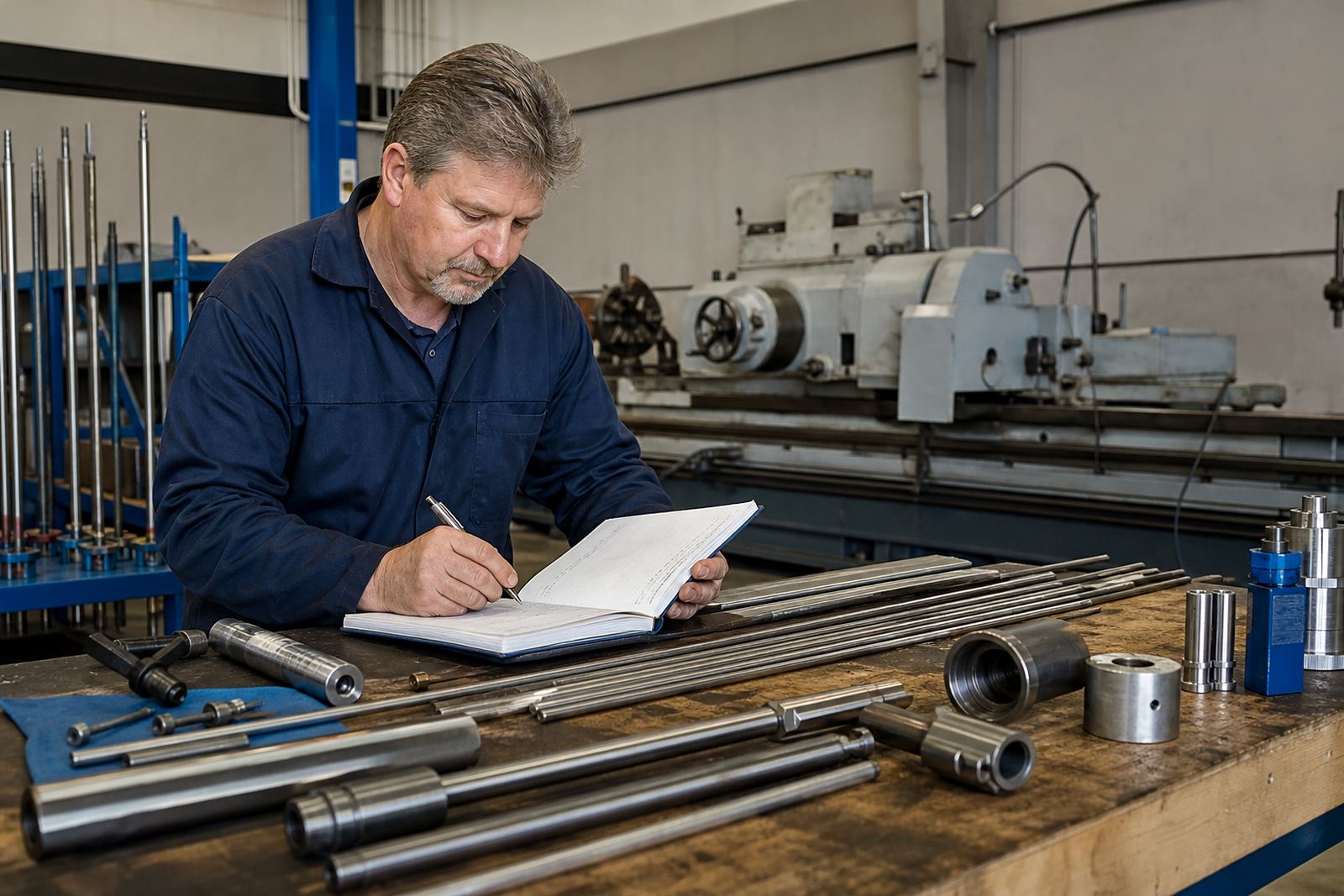
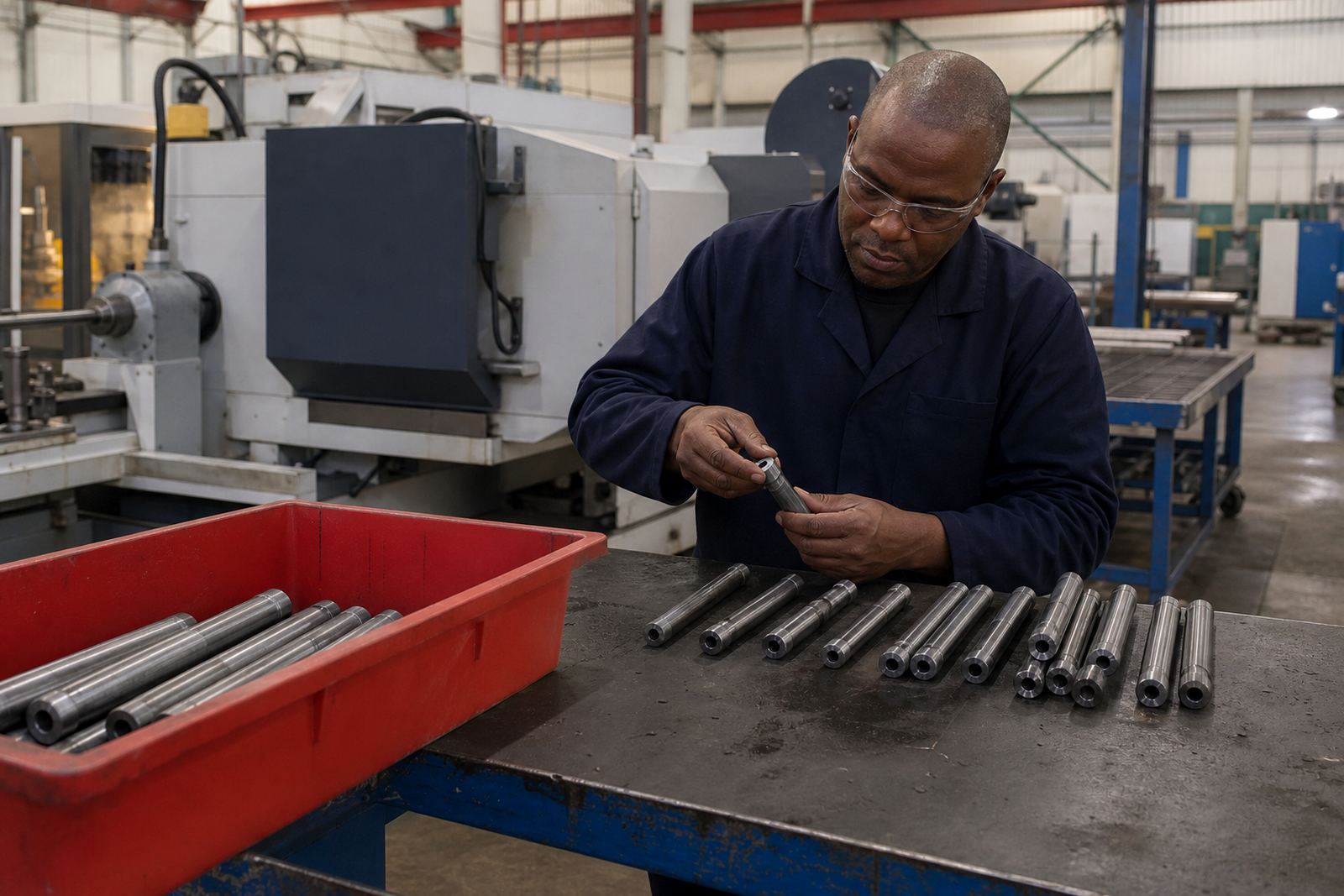
Training helps here because an operator can spot a gradual change before it becomes scrap. Checking the first-off piece is not enough on a long run. The right practice is to watch the process, verify dimensions at set intervals and adjust before the drift becomes a pattern.
- Measure at the start, middle and end of the run
- Watch for heat-related movement in the part
- Replace worn tooling before tolerances slip
- Keep records of which setup produced which result
For manufacturers supplying Pretoria and Midrand, this is often where production losses hide. The hole is not obviously bad, but it is slowly moving out of spec and causing assembly issues later.
Chip packing, blockages and coolant trouble
Deep-hole machining depends on reliable chip removal. If chips do not clear properly, they can scratch the bore, jam the tool or cause sudden heat rise. Blockages are often linked to poor coolant flow, incorrect pressure, dirty filters or a tool setup that does not suit the job.
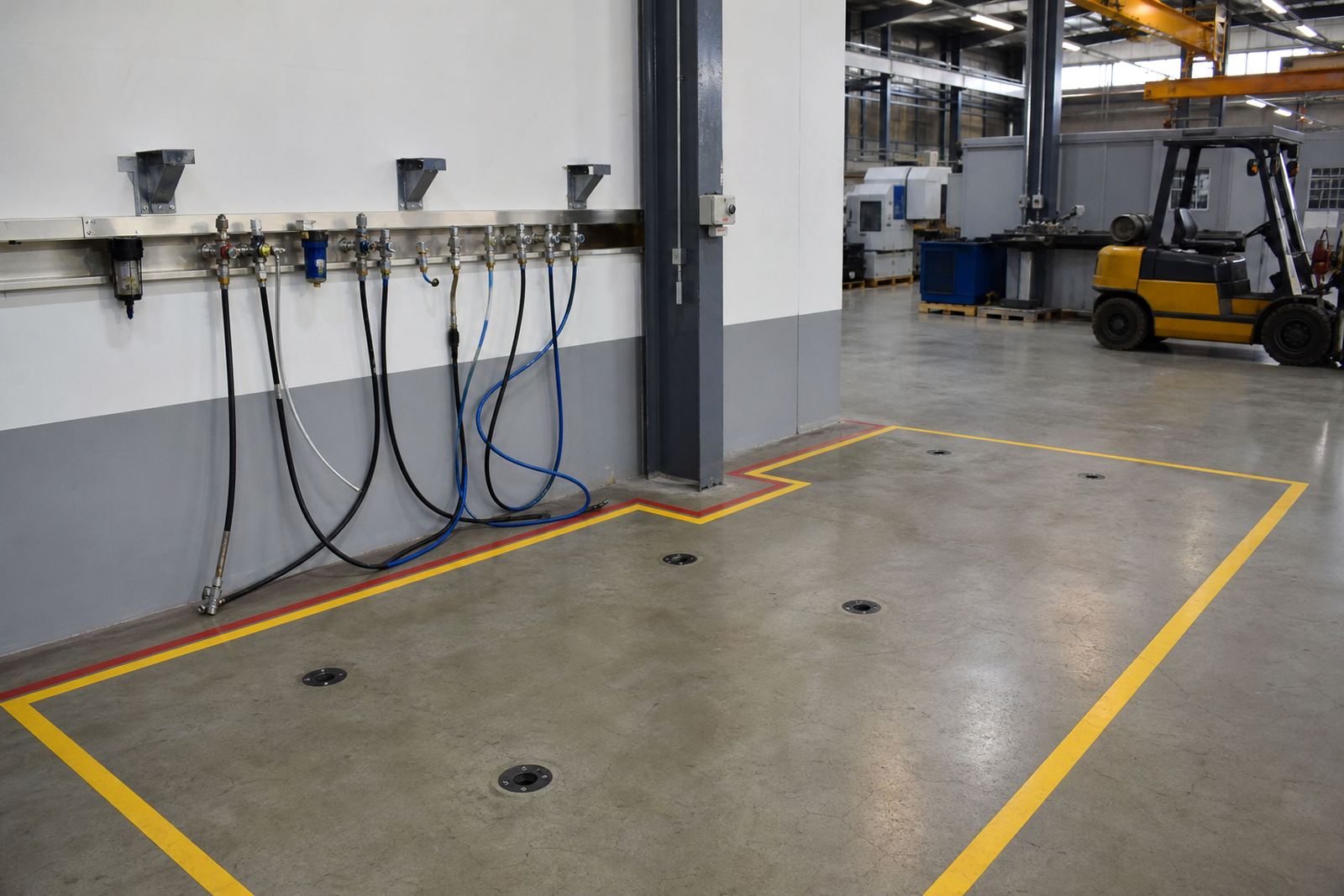
In many cases the machine is blamed when the real issue is maintenance. A coolant system that has not been serviced can turn a straightforward job into repeated stoppages. Load-shedding can make this worse if the machine is restarted without checking pressure, fluid level and line condition before resuming work.
- Check coolant quality and concentration regularly
- Clean filters and lines on schedule
- Confirm chips are leaving the cut cleanly
- Restart carefully after power interruptions
How good setup prevents repeat errors
Most common hole errors can be reduced with better setup, steady process control and proper support from the start of the job. That includes machine installation checks, commissioning, tooling selection, alignment checks and operator training. If the process is being pushed onto a new machine or a different material, a fresh setup review is usually cheaper than repeated rework.
At Deephole in Benoni, we work with manufacturers and engineering shops across Gauteng and beyond, from East Rand support through to supply and support in Johannesburg, Pretoria, Durban, Cape Town and Gqeberha. The aim is practical: get the machine set correctly, keep the tooling matched to the job and make sure the operator knows what to watch for.
If a bore starts to misbehave, a structured check usually saves time:
- Confirm alignment and clamping first
- Review tool condition and setup settings
- Inspect coolant delivery and chip flow
- Compare the current part against the last good part
That simple sequence often finds the real fault faster than trial and error. It also helps prevent the same mistake from coming back on the next production startup.
A practical way to keep quality steady
The best deep-hole results come from repeatable habits, not last-minute fixes. Keep the setup clean, inspect the tooling, monitor the machine during the first pieces and treat any change in sound or finish as a warning. If a job keeps failing in the same way, the answer is usually in the process rather than the drawing.
For South African workshops dealing with tight deadlines, municipal power interruptions and mixed production loads, it pays to have a support team that can help with setup optimisation, process troubleshooting, spare parts support and breakdown support. A good hole is rarely luck. It is the result of careful preparation and steady control from start to finish.