Start With the Workshop, Not the Delivery Date
A machine can only perform as well as the space around it. Before delivery, look at the route from the gate to the final position, the condition of the floor, the available power supply and how coolant will be managed once production starts.
In many South African workshops the biggest delays do not come from the machine itself, but from small practical issues such as a tight doorway, uneven concrete or a panel that is not ready for connection. When these points are checked early, installation moves more smoothly and the team can get on with setup and commissioning instead of making last-minute changes.
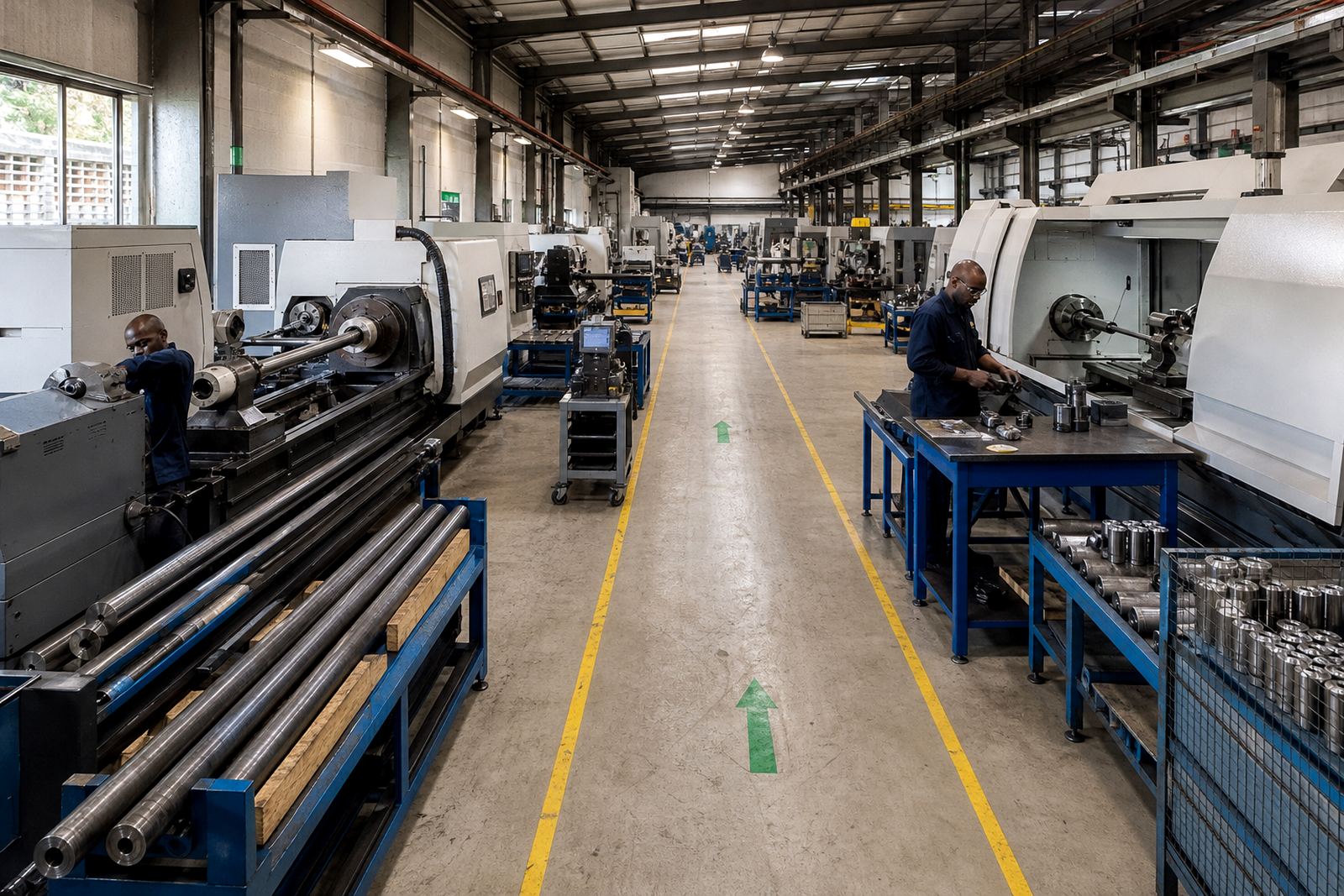
For a Benoni workshop working in a live production bay, this often means walking the path with a tape measure, checking turning space for handling equipment and confirming where the machine will sit in relation to other lines. It sounds simple but it saves time and avoids costly rework.
Check Power Early, Especially Where Load-Shedding Still Interrupts Work
Deep-hole boring and gun-drilling equipment depends on stable power. The exact supply requirements should always be confirmed for the specific machine and its accessories, but the wider point is the same: the electrical side of the job must be planned before arrival, not after.
In South Africa, load-shedding and voltage dips can affect production schedules, control systems and support equipment. Workshops that already have backup planning in place usually recover faster and protect more of their output. If a generator, backup supply or surge protection is part of the site plan, it should be assessed together with the incoming machine load and the rest of the workshop demand.
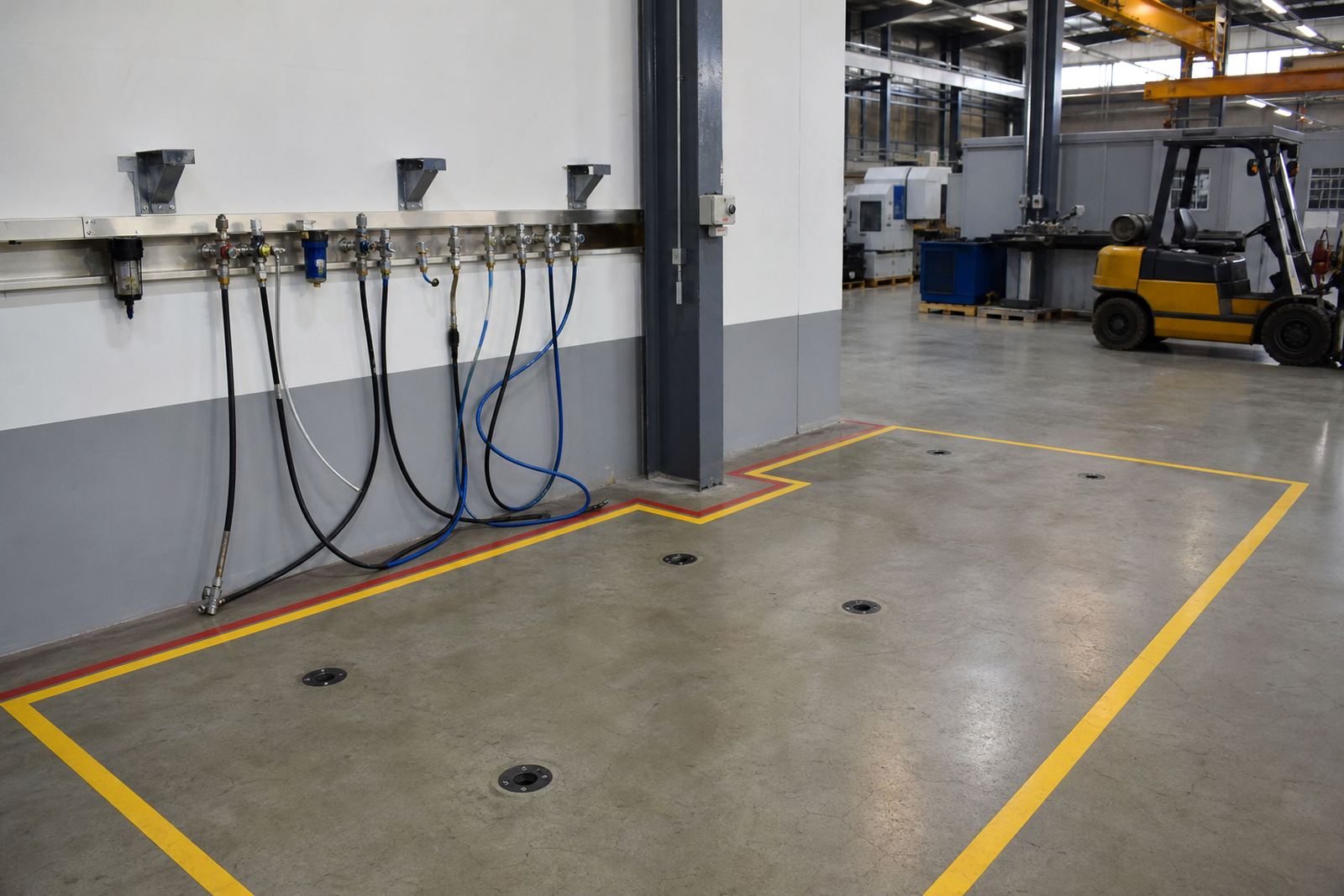
- Confirm the incoming supply position and panel access.
- Check whether backup power is needed for controls, coolant or related equipment.
- Allow space for safe cable routing and future maintenance.
- Make sure the installation area is clearly marked and free from storage.
At Deephole, machine installation and commissioning are easier when the electrical plan is already settled. That gives the team a cleaner handover and fewer interruptions during production startup.
Coolant Planning Matters More Than Many Shops Realise
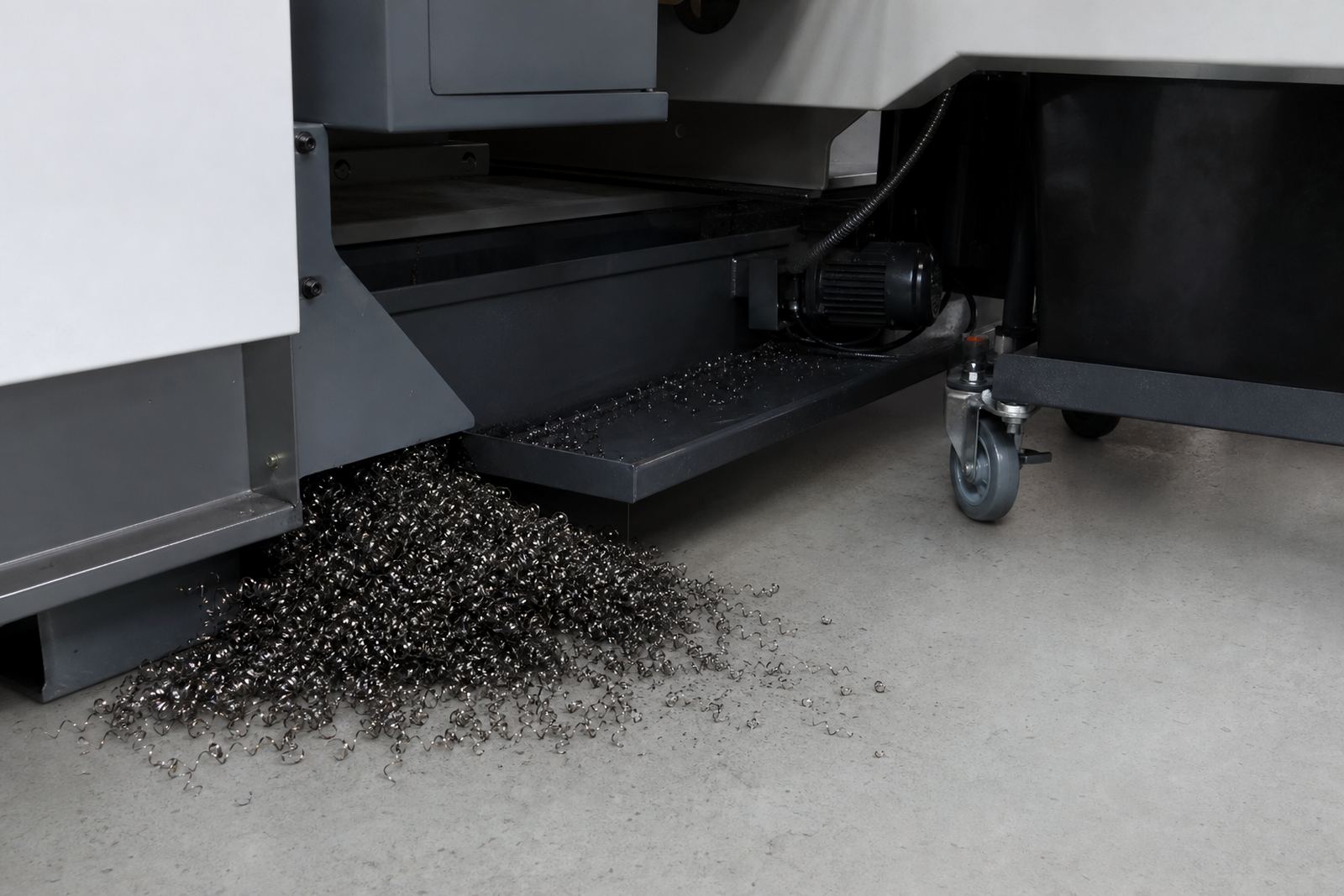
Coolant is not just a consumable, it is part of the process. With deep-hole work, coolant management affects tool life, chip removal and the general cleanliness of the working area. Before the machine lands, think about where coolant will be stored, how it will circulate and how it will be maintained.
A workshop in Durban faces different conditions from one in Gauteng. Coastal humidity can make housekeeping and corrosion control more important, while dry inland sites may still have dust and temperature swings to manage. In both cases, the machine area should be arranged so coolant lines, tanks and service access are practical to reach.
It also helps to decide who will monitor coolant quality, top-ups and filter condition. If that role is unclear, small problems can build up quietly and then show up as poor surface finish or process instability. A simple routine, backed by proper training, goes a long way.
Floor Loading, Levelness and Concrete Condition
The machine floor needs to do more than just hold weight. It must support the machine steadily, keep alignment intact and allow safe movement around the installation. Uneven floors, weak concrete or old repairs can affect setup and later production accuracy.
Before delivery, the workshop should check the area for cracks, standing water, old oil contamination and any signs of movement in the slab. If the machine will be positioned near other heavy equipment, vibration and traffic should also be considered. In some buildings, the best location is not the most convenient one on paper, it is the one that gives the machine a stable and workable base.
- Inspect the slab for damage or patch repairs.
- Confirm that the machine position allows proper alignment checks.
- Leave enough space for access during preventive maintenance.
- Keep the area dry and clear of clutter before installation day.
Francois du Plessis often finds that a tidy, level space makes the whole commissioning process simpler. It also gives the operator a better starting point when the first parts come off the machine.
Handling, Access and Safe Movement Through the Shop
Getting the machine into the building is part of the job, not an afterthought. Forklift access, doorway height, aisle width and floor condition all need to be checked before the rigging team arrives. If there is a bend, step or tight corner, it should be measured in advance.
This is where local practical knowledge helps. In older Benoni industrial units, for example, access can be straightforward at the gate but tighter inside the building. In that case, the route must be planned carefully and the workshop should clear the path well before delivery. It is also wise to think about where tooling, crates and service parts will be stored during the installation period.
The aim is simple: no sudden lifts, no unnecessary repositioning and no risk to the machine, the floor or the team. Good handling planning also reduces the chance of delays that can push back production startup.
Training, Maintenance Space and the First Week of Production
The machine area should not end once the unit is in position. The surrounding space needs to support operator training, routine checks and future service work. If the machine is placed too close to a wall or another line, even small tasks can become awkward.
Give thought to where tools will be kept, how operators will move around the machine and where support staff can stand during troubleshooting or alignment checks. A clear setup improves safety and makes it easier to spot issues early. It also helps with preventive maintenance, coolant system service and spare parts support later on.
Training is part of utility planning too. If the team understands power-up steps, coolant checks and basic housekeeping from day one, the workshop is less likely to run into avoidable downtime. That is especially useful during the first week, when the new process is still settling in.
Deephole’s support team, including Ayanda Mokoena, Johan Smit, Noluthando Dlamini, Leanne Naidoo and Sibusiso Khumalo, works with manufacturers and engineering shops across South Africa to get these basics right before production starts. That support can make the difference between a smooth launch and a messy one.