Why coolant does more than keep things cool
In gun-drilling and deep-hole boring, coolant has three jobs at once: it removes heat, flushes chips, and helps keep the tool cutting in a straight line. That is why coolant quality affects surface finish, hole size and tool life more than many shops expect.
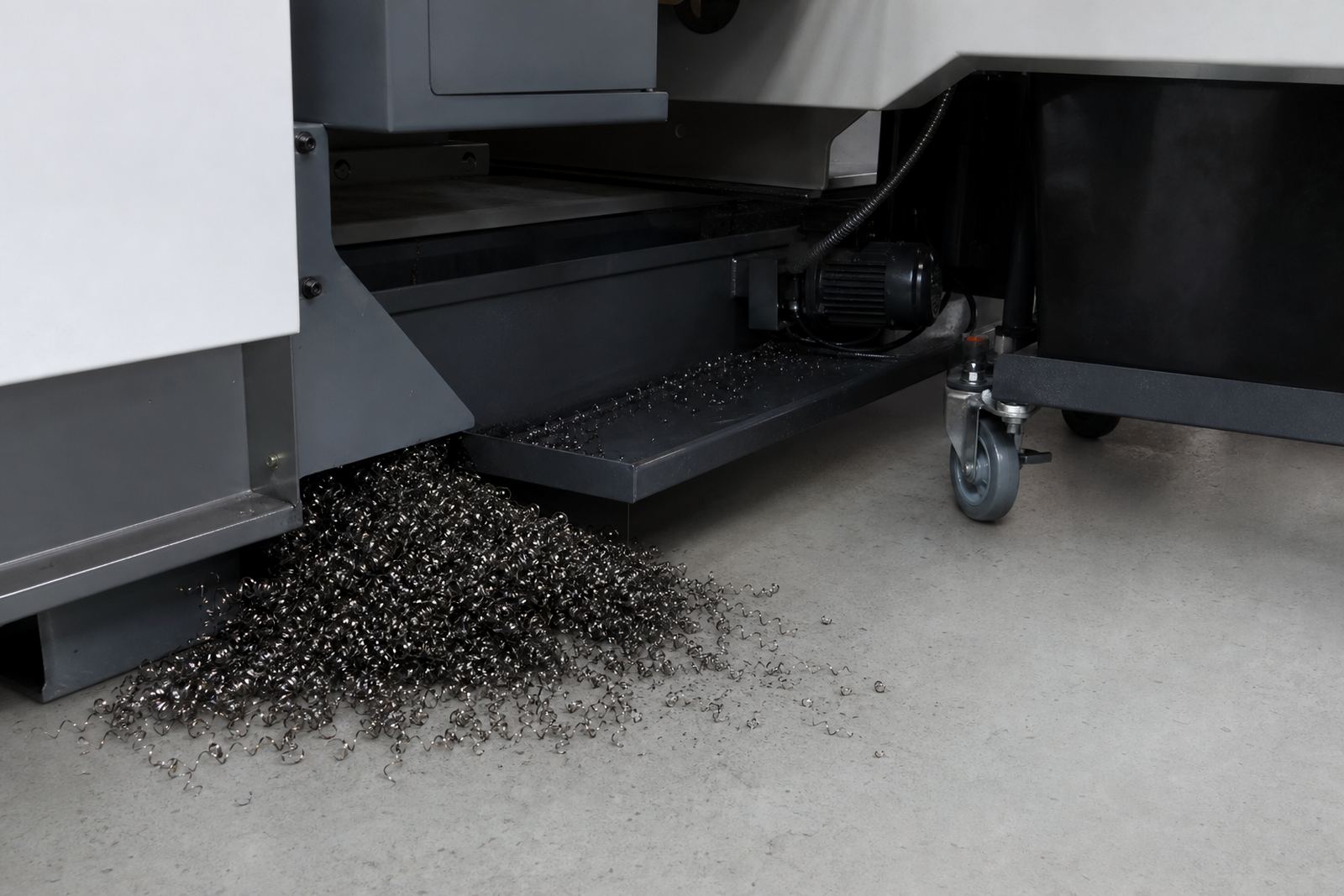
When the flow is steady and clean, chips leave the cut before they can pack against the tool. When flow drops off, or the fluid carries fines and swarf, the tool starts working harder and the process can drift. On long runs that can mean rework, broken tools, and wasted machine time.
For South African workshops running in Benoni, Johannesburg or Pretoria, this matters even more when the day includes load-shedding stops and restarts. A machine that sits mid-cycle and then resumes can show the weak points in coolant delivery very quickly.
Clean coolant is part of the cutting system
Many teams treat coolant as a consumable, but in deep-hole work it should be handled like part of the machine setup. Dirty coolant can block nozzles, reduce pressure at the cutting edge, and carry abrasive fines back through the system. That hurts both the machine and the part.
Good housekeeping around the tank and filters is basic, but it needs to be done properly. Metal fines, tramp oil and settled sludge all affect performance. If the coolant smells off, foams badly, or leaves residue on the part, it usually means the system needs attention.
- Skim tramp oil before it builds up
- Clean filters and screens on a set schedule
- Check the tank for settled sludge and swarf
- Top up with the correct mix, not by guesswork
Getting coolant to the cutting edge
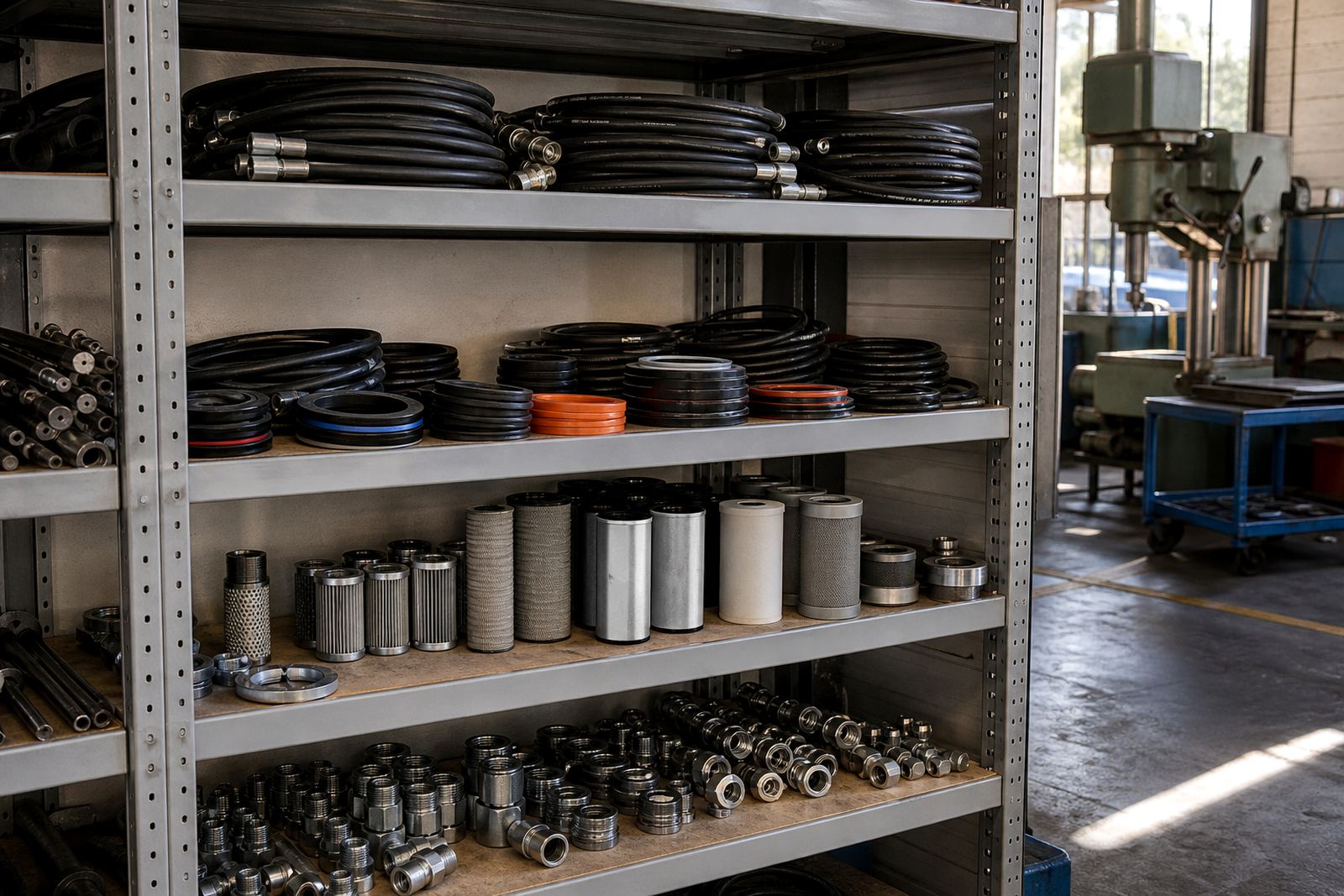
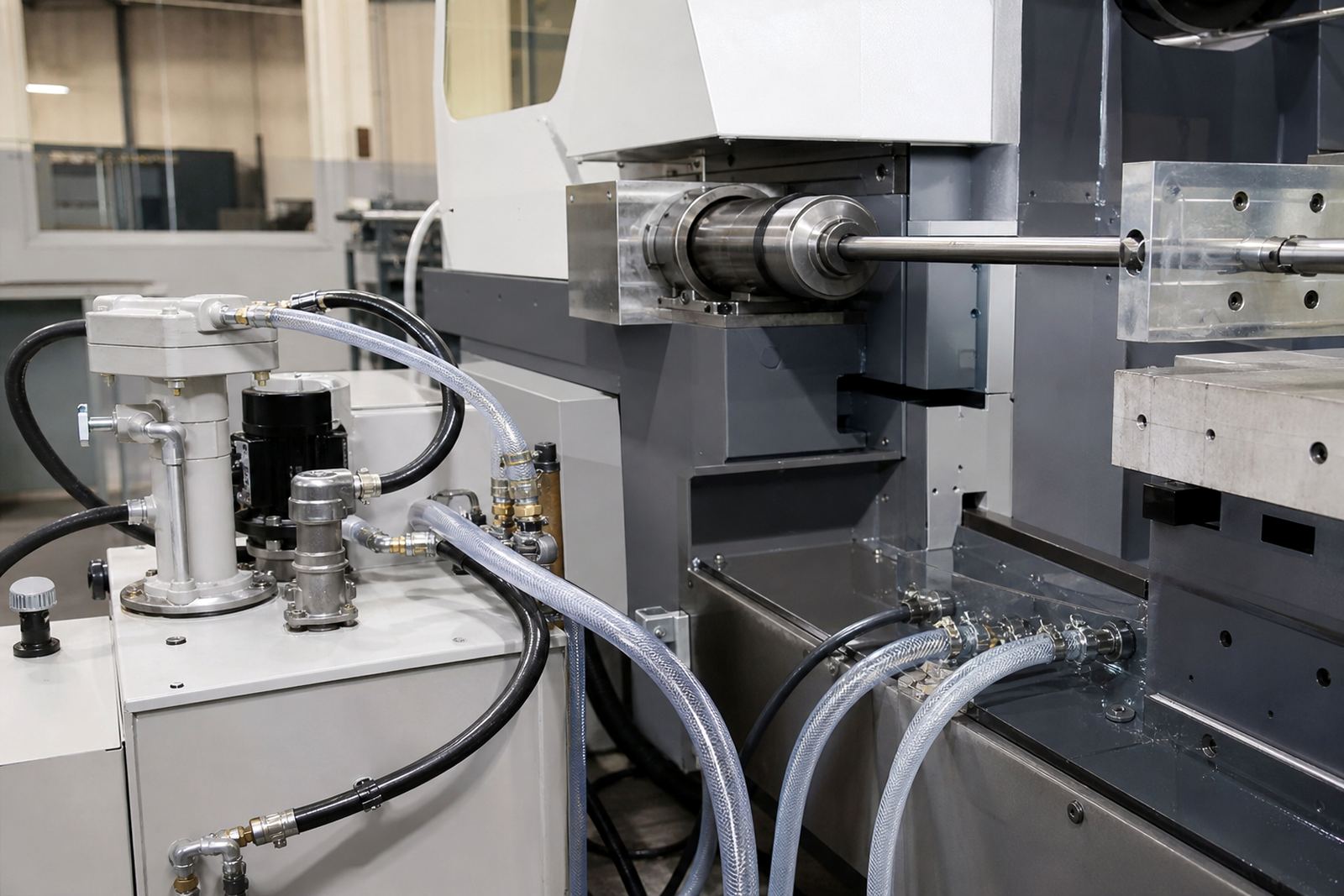
Deep-hole processes rely on getting coolant exactly where it is needed. The delivery path, hose condition, seals, and tool passages all matter. A small restriction can change the way chips move through the hole and that may only show up after the first few components have already been made.
During setup, the aim is to confirm that coolant reaches the cutting zone consistently and that return flow is not restricted. If the machine is making a change in sound, or the chip form changes suddenly, the first place to check is often the coolant path. It is a simple step, but it saves time.
Our team sees this in production startups where the machine itself is fine, yet the process gives trouble because the coolant system has not been matched properly to the job. Johan Smit and Francois du Plessis often work through these issues during commissioning and setup optimisation so the job can start on the right footing.
Signs the coolant system needs attention
Most coolant problems leave clues before they stop production. The trick is to notice them early and act before the job starts drifting out of tolerance. In a busy shop, that can be the difference between finishing the shift cleanly or chasing faults into overtime.
- Chips come out stringy, packed or uneven
- The hole finish changes from part to part
- The tool runs hotter than usual
- Coolant foams, stains or leaves residue
- Pressure at the tool seems to fade during the run
- Filters clog faster than normal
If these signs show up, do not only look at the tool. Check the coolant mix, the tank condition, the pump, seals and the line routing. A deeper problem can sometimes start with something small like a blocked filter or a hose that has started to collapse under pressure.
A Benoni example from a real workshop routine
In Benoni and across the East Rand, many engineering shops work on a mix of one-off parts and repeat jobs. That means the coolant system has to cope with frequent changeovers, different materials, and operators with varying levels of experience. A setup that works on Monday may need checking again by Thursday if the job changes.
Take a workshop running long-hole work for local manufacturing. After a few parts, the operator notices that chip evacuation is less consistent and the finish has gone duller. The machine itself may still be aligned, but the coolant tank has collected fines from earlier work and the filter change was delayed. Once the coolant is cleaned up and the delivery checked, the process usually settles back down. Simple, but it matters.
That is why coolant service is part of the support we give across Gauteng, not an afterthought. In many cases, proper coolant management reduces downtime more than a major change in tooling. It also helps operators get repeatable results without having to fight the process every shift.
Keeping coolant under control during startup and maintenance
A new machine or a fresh process should never be left to run on hope alone. During machine commissioning and production startup, the coolant system should be checked with the same care as alignment and tooling selection. If the fluid, filters and delivery are right from day one, the shop has a much better chance of holding quality.
Preventive maintenance should include coolant checks, not only mechanical inspections. That means watching the condition of the fluid, cleaning the tank when needed, and checking the lines for wear. It also means making sure the operator knows what normal looks like, so small changes are picked up early.
Leanne Naidoo often builds coolant checks into operator training, because good habits on the floor keep problems from returning. Once the team knows what to look for, the machine is easier to run and easier to keep productive.
- Inspect coolant condition on a regular schedule
- Include filters in planned maintenance
- Check hoses, seals and fittings for leaks
- Train operators to spot early warning signs
Practical support for deep-hole shops across South Africa
Whether a shop is in Johannesburg, Durban, Cape Town or Gqeberha, coolant care has the same basic purpose: keep the cut stable and the chips moving. The details change with the material, the job length and the machine, but the principle does not. Clean coolant and proper delivery give the process a far better chance of staying consistent.
Deephole supports manufacturers and engineering shops with machine installation, commissioning, tooling selection, setup optimisation, process troubleshooting, preventive maintenance and breakdown support. We also assist with spare parts support, coolant system service, alignment checks and production startup. If the coolant side of the job is not right, the whole process can suffer, so it pays to address it early.
For workshops that want practical help on gun-drilling and deep-hole boring, the first step is often to sort out the coolant system before chasing anything else. It is rarely glamorous work, but it saves time and keeps production moving.