Why a small spare stock matters on deep-hole work
Gun-drilling and deep-hole boring jobs are often planned around fixed machine time, material lead times and delivery dates that cannot move easily. When a drill, seal or filter fails, the delay is not just the repair itself, it is the lost setup, the scrap risk and the time needed to bring the job back into tolerance.
In Benoni and across Gauteng, many shops work with mixed shifts and load-shedding schedules, so a minor fault can quickly become a full day’s interruption. Keeping the right service items in-house helps your team keep production moving while support is arranged and parts are confirmed.
- Reduced downtime during planned and unplanned stoppages
- Less risk of rushing a changeover with the wrong part
- Better control over coolant quality and tool life
- Faster restart after maintenance or a breakdown
Cutting tools and wear items to keep on the shelf
The first spares to hold are the parts that wear every day during cutting. These are the items most likely to affect hole quality, chip control and surface finish, so it pays to know your usage pattern and keep enough for the next few jobs.
- Gun drills and deep-hole boring tools for your common diameters
- Guide pads, inserts and wear parts used during boring setups
- Tool holders, bushings and clamps that match your regular fixtures
- Seals and consumables linked to the tool feed or coolant path
On some jobs, a tool that is only slightly worn will still cut, but it may start giving poor size control or chatter in the hole. That is when a spare on the shelf becomes cheaper than trying to stretch the last few metres of life out of a tool.
Coolant system spares that stop small faults becoming big ones
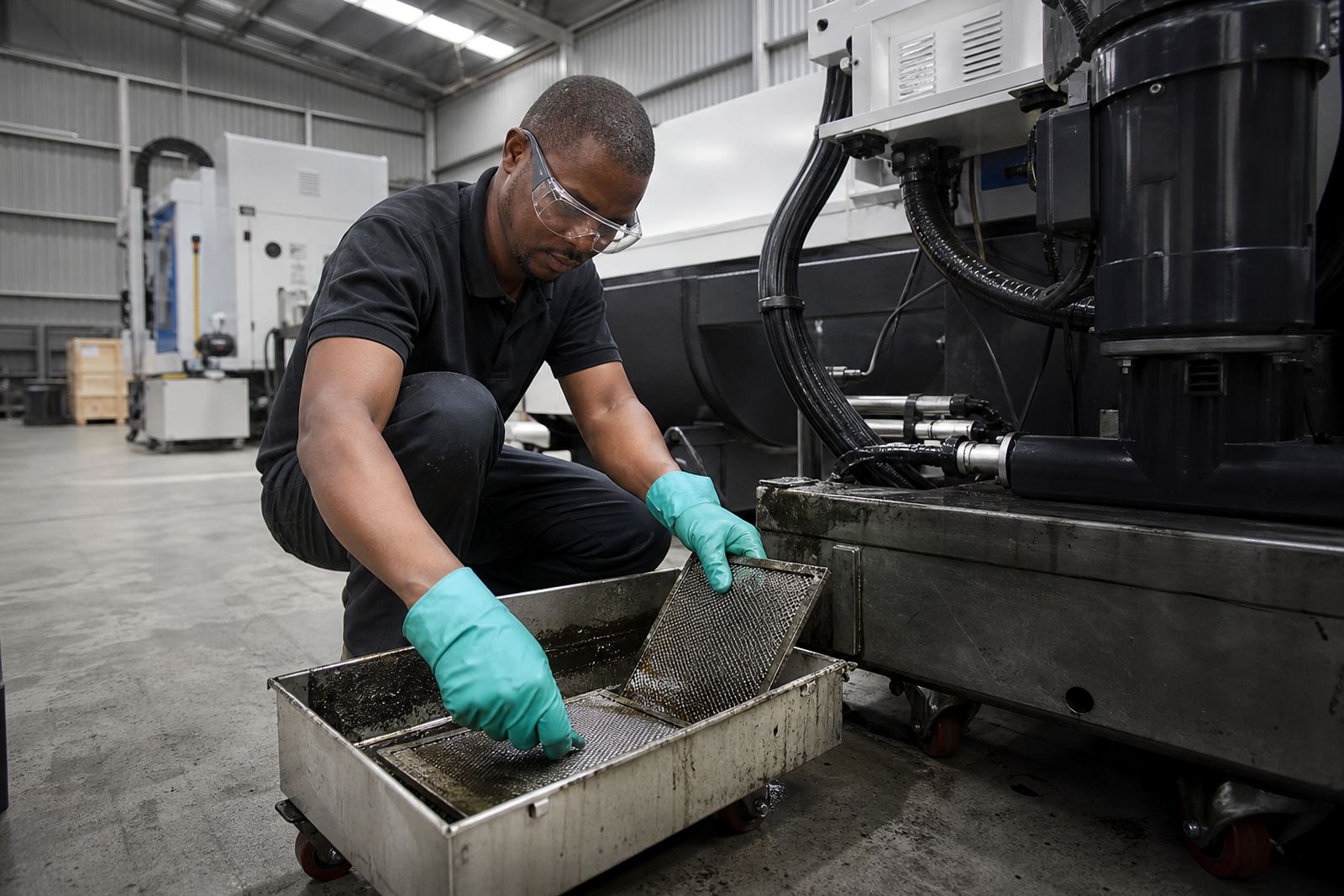
Coolant issues are a common reason deep-hole work slows down. A blocked filter, tired pump seal or perished hose can affect chip evacuation and temperature control, which then shows up in the bore. Shops near the coast, especially in Durban and Gqeberha, should also watch for corrosion and moisture in storage areas.
Useful items to keep available include:
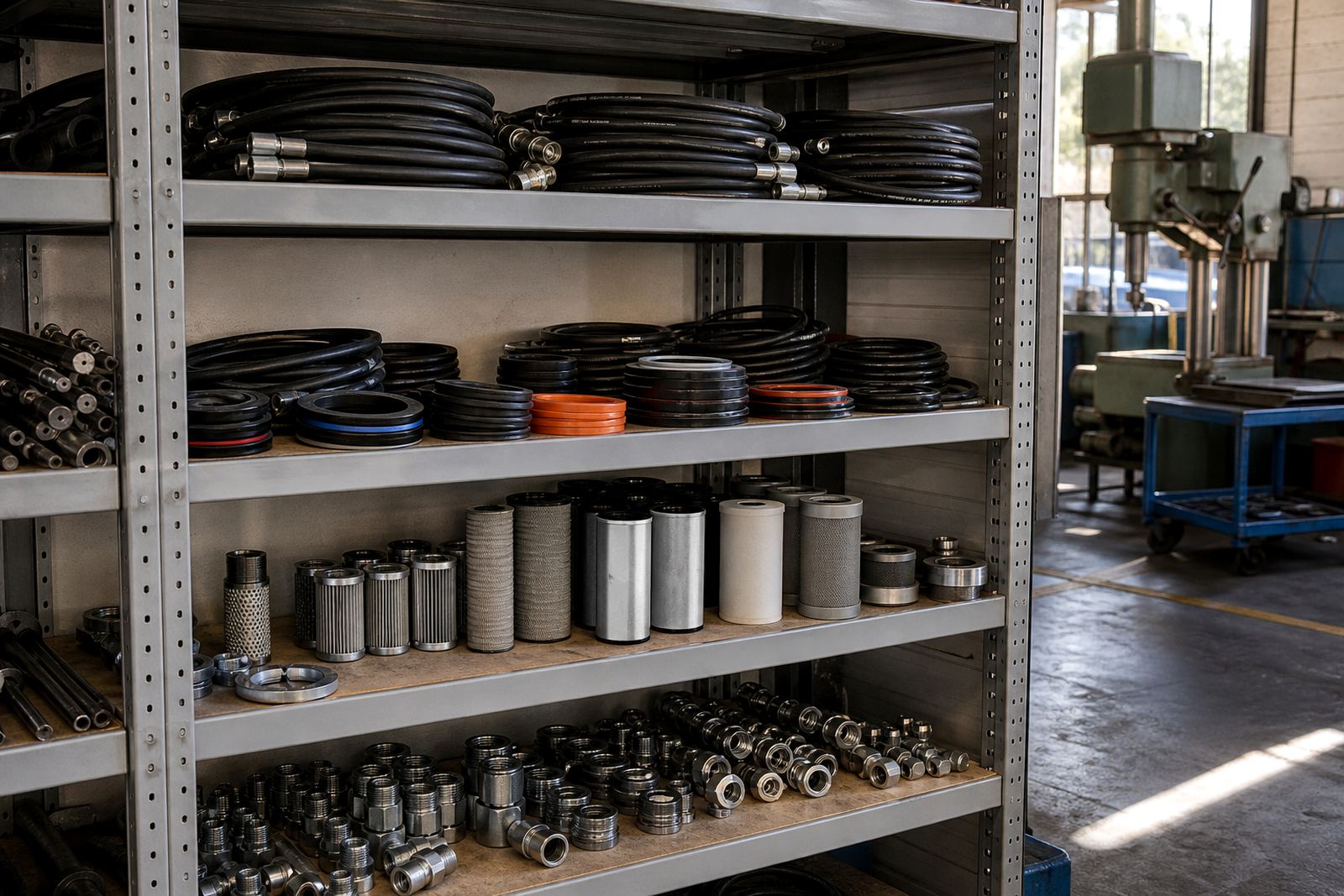
- Filter elements and strainers for the coolant system
- Pump seals, hoses and hose clamps
- Level switches, pressure gauges and basic fittings
- Coolant concentrate for top-ups and fresh batches
If your system runs through long shifts or starts and stops with electricity interruptions, check these items more often. A coolant line that looks fine in the morning may show a leak after a warm restart or after the machine has stood overnight.
Setup parts that help with repeatability
Many repeat problems are not caused by the cutting process itself, but by the setup around it. Alignment checks, fixture condition and tool holding all affect whether the machine starts the job in the same position every time. That matters when the workpiece is long, heavy or awkward to load.
Common setup items worth keeping close by are:
- Shims, packing pieces and levelling feet
- Clamping elements and locating components
- Spare sensors, switches and basic electrical consumables
- Fasteners, washers and small hardware used during installation or adjustment
Johan Smit often sees that a shop has the right machine but not the small parts needed to get it back on line after an adjustment. A missing locating pin or a worn clamp can hold up production longer than expected, especially when the machine is shared between jobs.
What to keep for preventive maintenance and breakdown support
Preventive maintenance is easier when the common service items are already on site. That includes parts used during routine inspections, lubrication checks and planned cleaning. It also helps when a technician arrives and can complete the job without waiting for a basic consumable to be sourced.
- Lubrication items specified for the machine and accessories
- Spare belts, couplings or drive items where applicable
- Electrical consumables such as relays, fuses and contact blocks
- Cleaning materials for chips, sludge and coolant residue
Francois du Plessis usually advises shops to keep a simple service log with dates, part changes and fault notes. That record makes it easier to predict what should be on the shelf before the next service visit or startup.
A practical stocking plan for South African workshops
A good spare list does not need to be long, but it should match the work you actually run. A shop in Johannesburg doing frequent short batches will need a different stock profile from a Durban plant running larger repeat work. The right plan is built around usage, lead times and the cost of stopping a machine.
For most manufacturers and engineering shops, the safest approach is to split stock into three groups: daily consumables, critical wear items and emergency support parts. Daily consumables are the things you replace often. Critical wear items are the parts that can stop a machine if they fail. Emergency support parts are the items you may not use every month, but will want close by when something unexpected happens.
Leanne Naidoo and the support team often help customers review what should sit in the store room and what can be ordered on demand. That keeps the shelf focused and avoids tying up cash in parts that are unlikely to be used.