Start With the Part Drawing, Not the Drill Bit
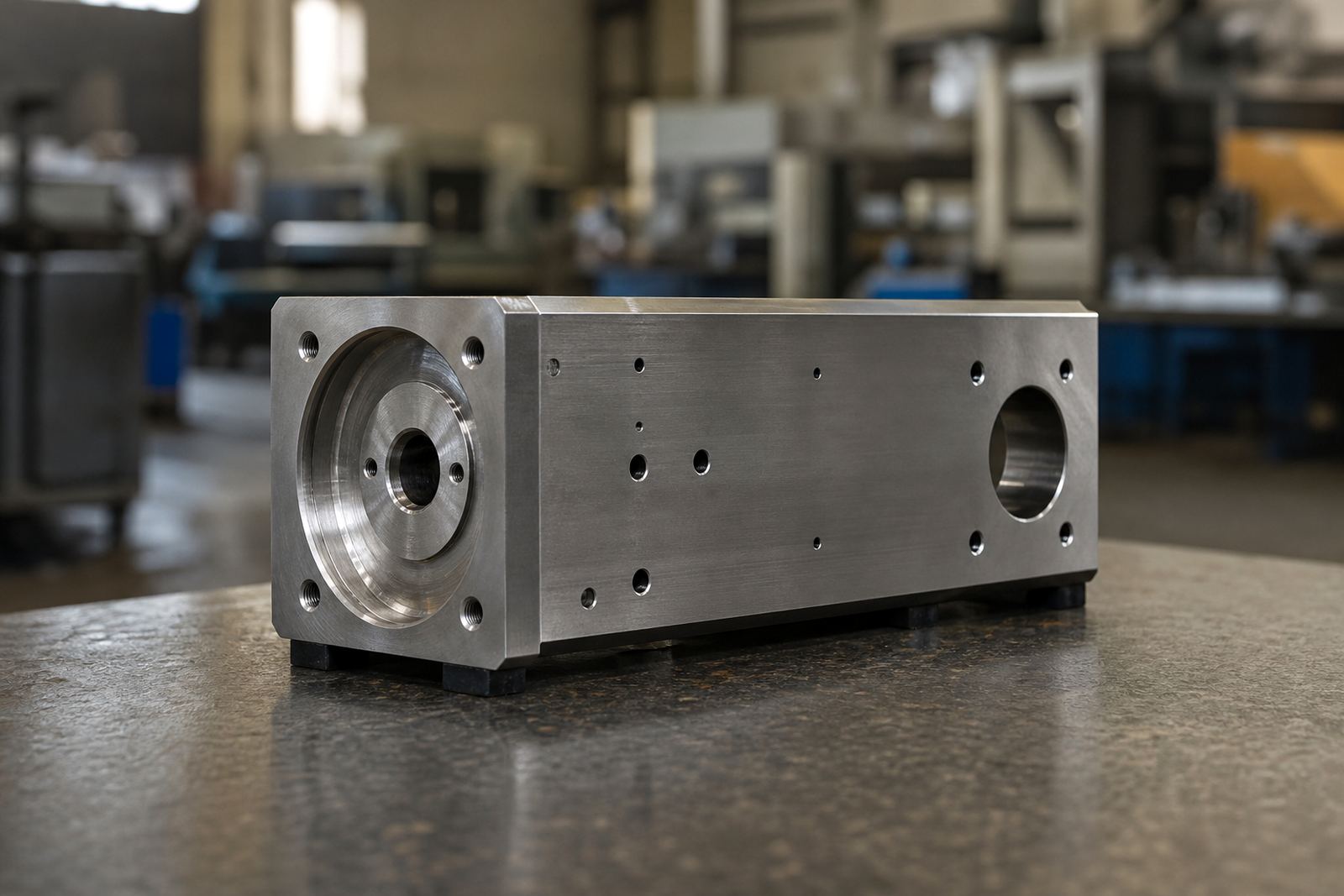
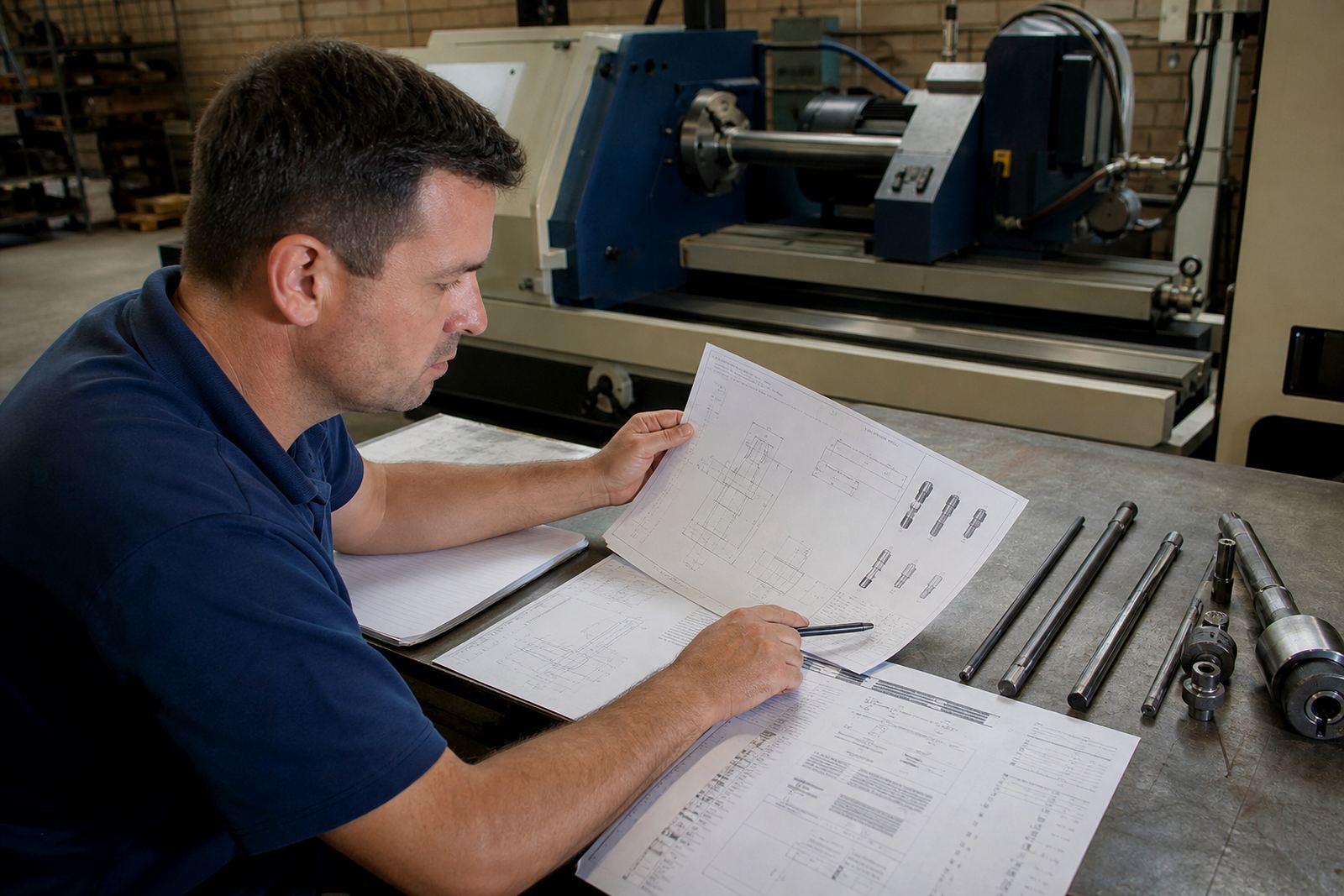
When a deep-hole job lands on the floor, the first step is to read the drawing with care. Hole diameter, depth, material, tolerance, straightness and surface finish all affect the price. If the job involves gun-drilling or deep-hole boring, the quote must reflect how the part will actually be made, not just what the customer asks for in one line.
In many shops, the biggest quoting errors come from assuming that a long hole is just a longer version of a normal drilling job. It is not. A part may need pilot holes, special fixtures, guide bushes, alignment checks or extra handling between operations. If the drawing is not clear, ask early. It is better to pause and cost the job properly than to find out halfway through that the hole breaks out of tolerance.
Count the Setup Time Properly
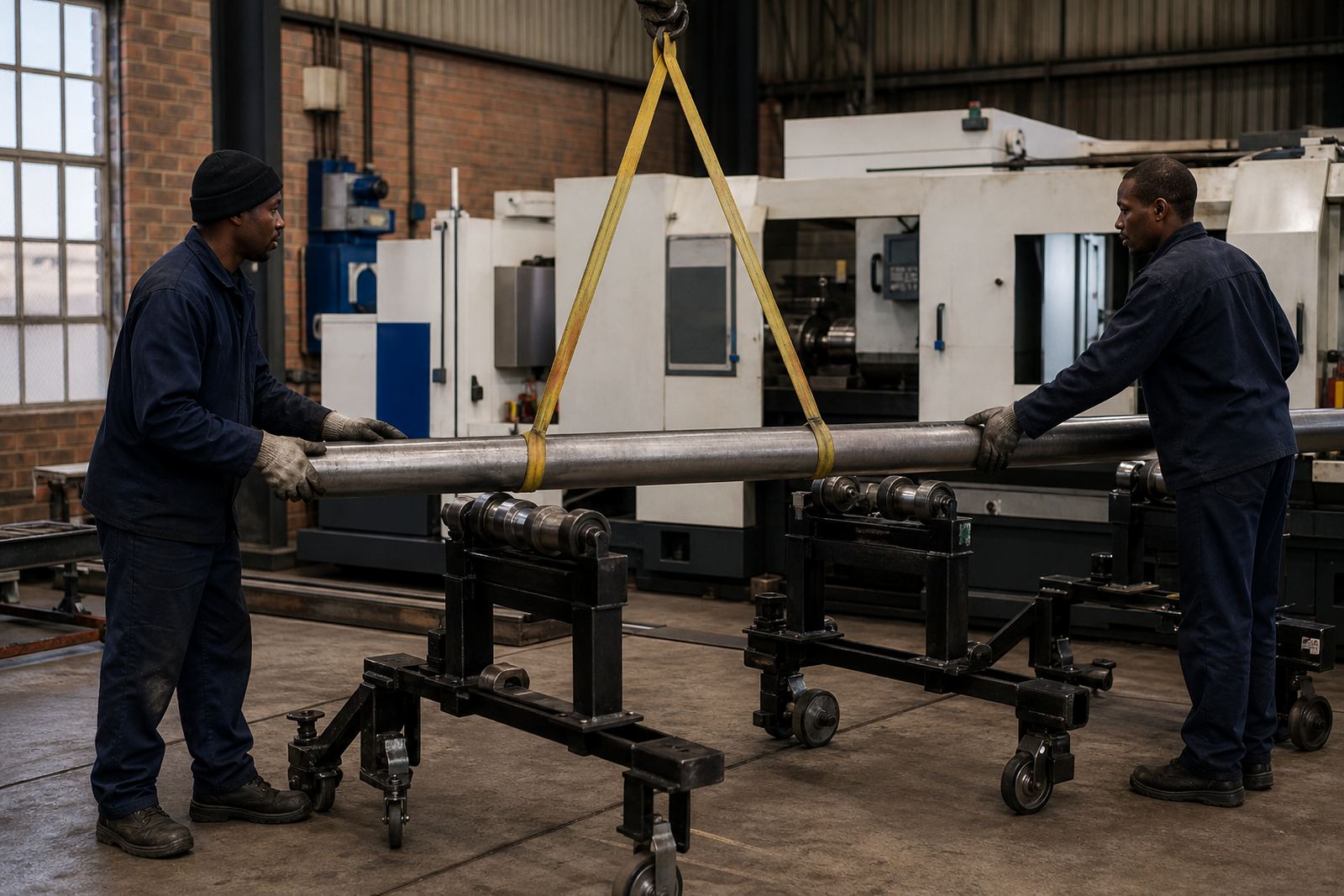
Setup is often where deep-hole work becomes expensive. Machine set-up, part clamping, alignment, coolant checks and tooling changes all take time before the first good chip comes off. For a one-off job, that time needs to be spread across a single part or a small batch, which can change the price a lot.
- Confirm how the workpiece will be held and supported
- Allow for alignment checks before cutting starts
- Include first-off inspection time in the quote
- Factor in tool setup, guide systems and coolant preparation
- Check whether the same setup can be repeated for the full batch
If the job is for a repeat order, ask whether the previous setup records are available. Good records save time and reduce mistakes, especially when the part returns months later and the customer wants the same result at a tighter price.
Tooling Costs Are Part of the Job, Not an Extra
Deep-hole jobs use tooling in a different way from ordinary machining. Tool wear, tool life and regrinding all affect the final cost. The quote should cover the correct tooling selection for the material, the hole depth and the finish required. A cheaper tool can look good on paper, but if it wanders, wears too fast or leaves a poor finish, the job will cost more in rework and lost time.
Shops should also think about backup tooling. If a drill or boring tool fails during a run, the delay can push delivery out by a day or more. In a busy Gauteng workshop that is already managing load-shedding windows and production schedules, that lost time matters. When quoting, include the cost of having the right spare parts and support on hand, even if the customer never sees that line item.
Material and Condition Change the Price Fast
Material type has a direct effect on deep-hole pricing. Free-machining steel, tough alloy steels, stainless steels and heat-treated parts all behave differently. Some materials cut cleanly. Others need slower feed, more care with chip removal and closer monitoring of coolant flow. Even the same material can vary if the bar is uneven, cracked or supplied with scale.
It is worth asking where the raw material came from, whether it has been pre-machined, and if there are any heat-treatment steps before or after drilling. On certain jobs, the quote must also allow for extra inspection because the hole may be critical to the final assembly. A good quote takes these conditions into account instead of assuming every blank will machine the same way.
Price for Risk, Rework and Production Interruptions
Deep-hole work carries more risk than a simple face drill. A small deviation can cause a scrap part, a blocked hole or a full reset of the setup. That risk has to be priced in. If the customer wants a fast turnaround, the quote should reflect the pressure on the team and the chance of interruptions.
- Allow for trial cuts where the job is new or unfamiliar
- Include inspection intervals during the run
- Budget for rework if the tolerance band is tight
- Consider power interruptions and backup planning for time-sensitive jobs
- Build in time for coolant system checks and chip control
For shops in coastal areas like Durban, humidity can also affect stored tooling and machine condition. In other regions, dust and temperature swings may be the issue. Quoting well means allowing for the real working environment, not only the drawing on the page.
A Benoni Example: Quoting for a Mixed Batch
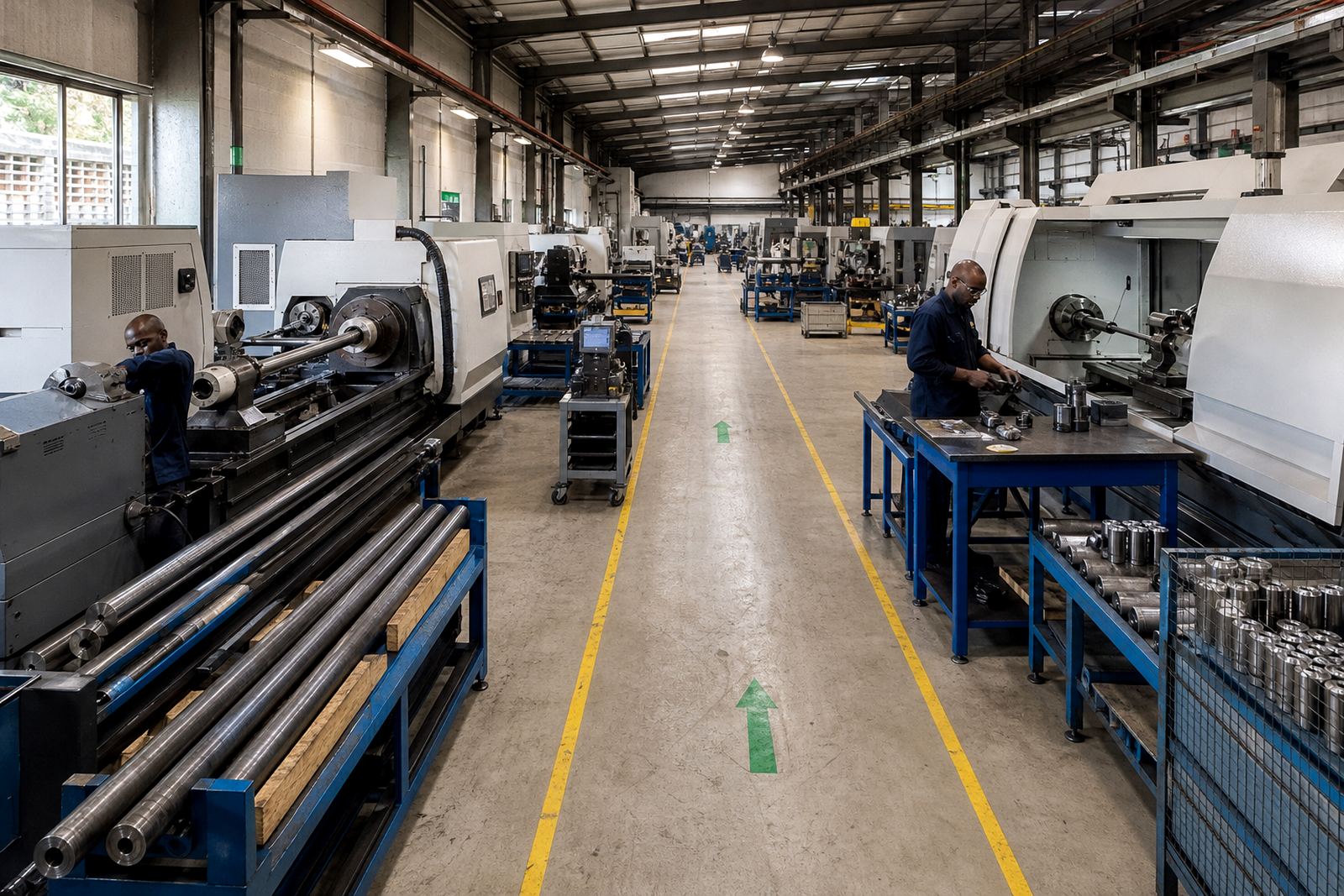
Take a Benoni engineering shop quoting a small batch of parts for a local manufacturer. The parts need deep holes to a defined depth, plus a repeatable finish and clean alignment for later assembly. The job looks straightforward until the team checks the material, the batch size and the need for a reliable setup that can be repeated on the next order.
In that case, the quote should separate the work into clear parts: setup, tooling, machining time, inspection and support. If the customer later asks for a faster turnaround, the shop can adjust the price with a clear reason. That approach protects margin and keeps the relationship honest. It also helps the client understand why deep-hole work is priced differently from ordinary drilling.