Why the first cut decides the rest of the hole
In gun-drilling and deep-hole boring, the entry point is where the process either settles or starts fighting you. If the drill does not sit square, if the workpiece is not held properly, or if the guide condition is poor, the tool can drift before it has even reached steady cutting. That is why entry care starts before the spindle turns, not after the first chip appears.
On a job in Benoni or the East Rand, the shop floor reality is usually the same: tight deadlines, mixed batches and machines that still need to run during load-shedding windows. That makes repeatable setup even more important. A clean face, correct alignment and stable coolant delivery are simple checks but they save a great deal of trouble later on.
- Check that the start face is clean, flat and free of burrs
- Confirm clamping does not distort the part
- Verify guide support and tool position before feeding
- Make sure coolant reaches the cutting zone from the start
Guide holes, spotting and alignment before feeding
Entry care is not only about the tool itself. The part needs a proper starting condition so the drill can follow the intended path. Depending on the job, that may mean spotting, pilot preparation or careful alignment of the bore path. If the start is rushed, the tool can pick up a slight angle and carry that error deeper into the hole.
For manufacturers in Johannesburg or Pretoria working on shafts, hydraulic parts or components that need a clean bore, a few minutes spent on setup is cheaper than scrap. It also helps when the same machine is used for different diameters and materials through the week, because the team can return to a known starting method instead of guessing.
- Use a consistent spotting method for the material and hole size
- Set the work holding so the part cannot move under feed pressure
- Check runout and alignment after tool changes
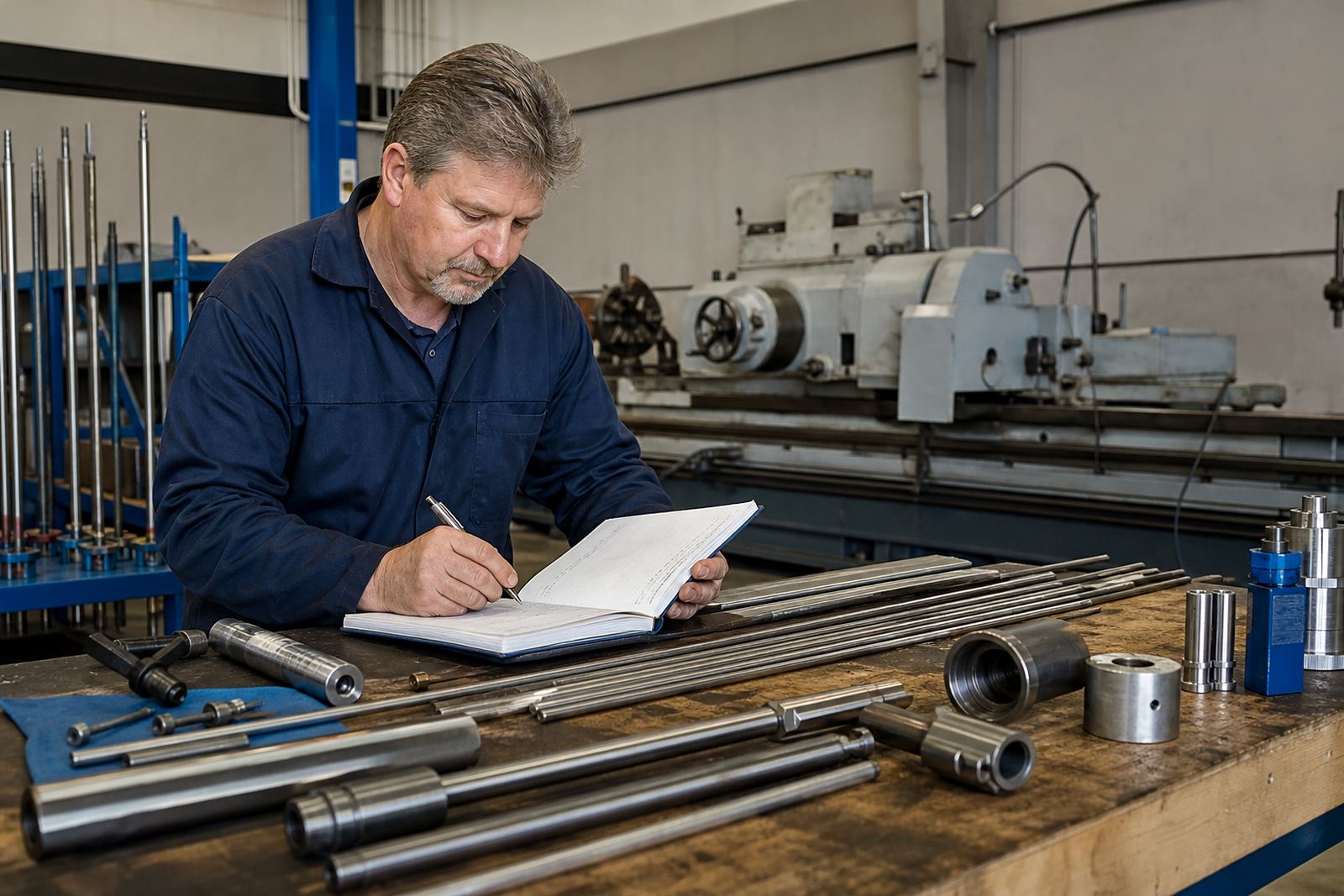
- Keep the operator notes clear for repeat jobs
Managing chip flow and coolant at the entry
Deep-hole work creates its own problems very quickly if chips are not controlled. At entry, chips need to clear cleanly before they pack in front of the tool. If coolant flow is weak, blocked or poorly aimed, the tool can rub rather than cut, and that causes heat build-up, rough finish and a harder start on the next pass.
In coastal areas like Durban and Gqeberha, humidity can also affect tooling storage and coolant condition if the system is left standing too long. Even inland, where dust and workshop debris are common, a blocked nozzle or dirty tank can upset the start of a shift. The cure is not complicated, but it does need discipline.
- Inspect coolant lines and nozzles before production starts
- Keep the coolant system clean and serviced
- Watch chip form at the first cut and adjust if needed
- Do not leave swarf to build up around the entry face
What changes as the tool gets close to breakout
The exit end of the hole needs as much thought as the entry. As the tool approaches breakout, support changes, wall thickness reduces and the remaining material can pull or deform. If the operator does not plan for that stage, the last section of the hole can show burrs, taper or a rough finish that is costly to correct.
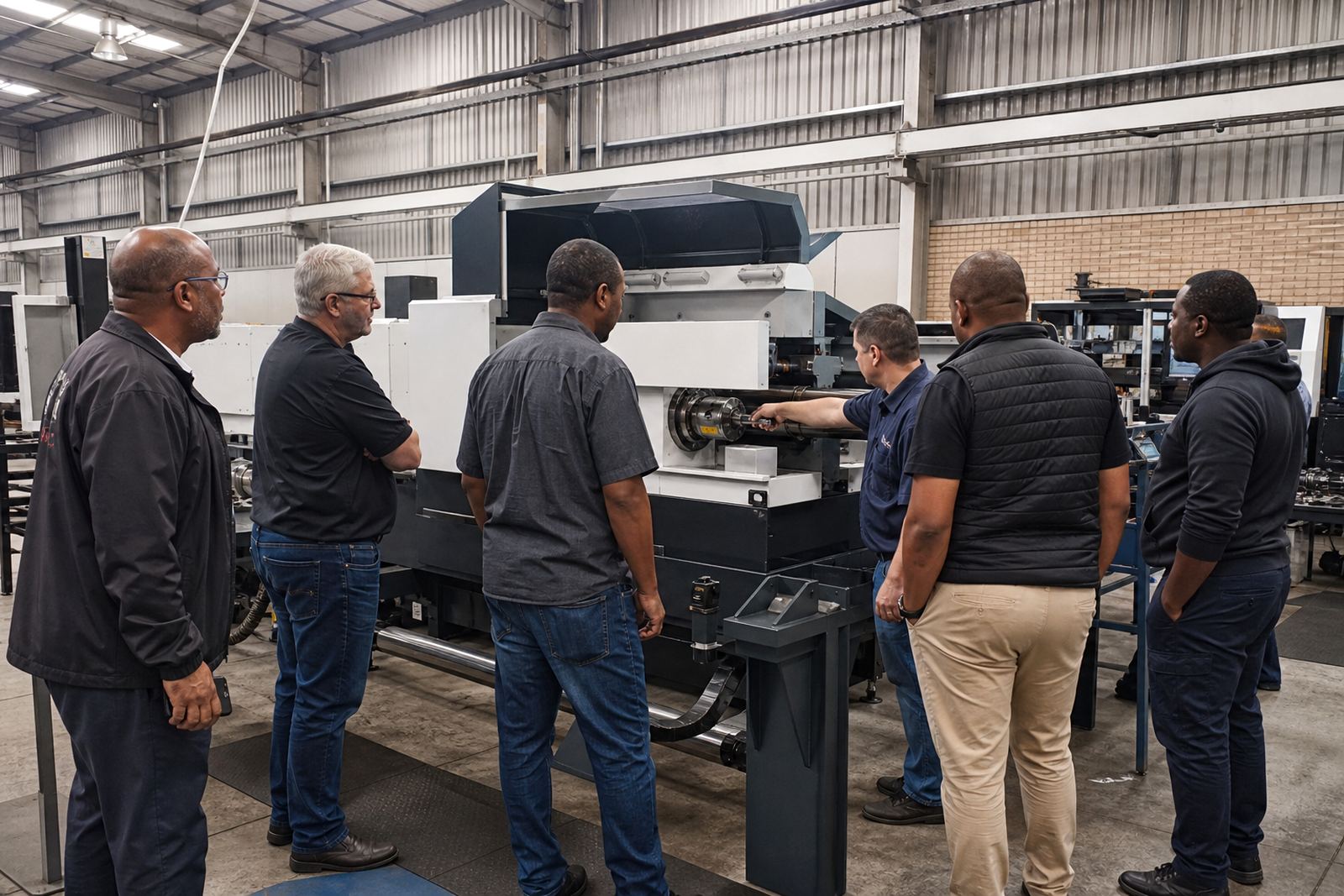
That final stage is where a good applications review helps. A machine technician or applications specialist can look at feed rate, support method and tool condition before the job reaches the dangerous part. In practice, that often means making a small adjustment in time rather than trying to rescue the part after the bore has already opened out.
- Plan the exit before starting the job
- Reduce the risk of breakout burrs with the right support method
- Review feed and speed near the end of travel
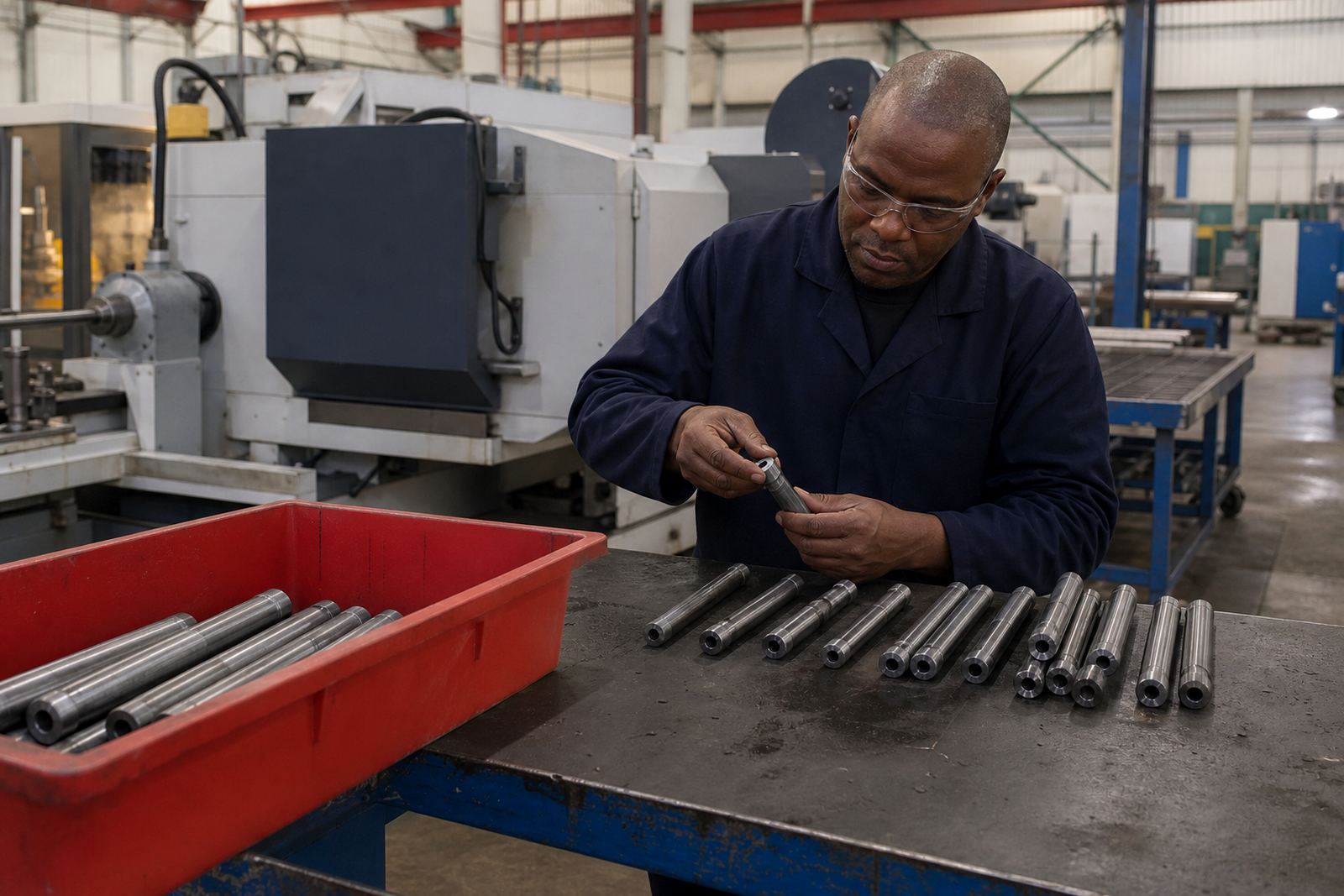
- Inspect the first pieces before running full production
How setup affects repeatability from hole to hole
When a shop handles batches, the entry and exit conditions have to stay consistent across every piece. A process that works on one part but changes after lunch or after a tool swap is not reliable enough for production. This is where setup optimisation makes a real difference, especially on equipment that is running across multiple shifts or during power interruptions.
Deep-hole boring machines and gun-drilling machines depend on accurate setup, proper tooling selection and regular alignment checks. If one operator prepares the job one way and another does it differently, the bore quality can move around too much. A clear setup sheet and a short training session can save hours of correction later on, and the team usually sees the benefit very quickly.
- Standardise the start-up routine for each machine
- Record the correct settings for common materials
- Use preventive maintenance to keep the machine true
- Carry out alignment checks after any interruption or crash risk
Support from setup through production startup
Deephole works with manufacturers and engineering shops across South Africa on machine installation, commissioning, tooling selection, process troubleshooting and production startup. That support matters most when a new machine is being brought into service, or when an existing process is struggling at the entry or exit stage. A bore that starts clean and finishes clean usually comes from careful setup, not luck.
From Benoni base, the team supports Johannesburg Supply, Pretoria Support, Durban Support, Cape Town Supply, Gqeberha Support, East Rand Support and Gauteng Coverage. If a shop needs help with breakdown support, spare parts, coolant system service or operator training, the goal is practical: get the machine making good holes again and keep it there. Marius Jacobus van Rensburg leads the business, with support from Ayanda Mokoena, Johan Smit, Noluthando Dlamini, Francois du Plessis, Leanne Naidoo and Sibusiso Khumalo.
- Machine installation and commissioning
- Tooling selection and setup optimisation
- Operator training and process troubleshooting
- Preventive maintenance and alignment checks
A simple local example from the shop floor
A Gauteng engineering shop machining a long component for industrial use might find that the bore looks fine at the start but shows trouble near exit. The first instinct is often to blame the tool, but the real issue may be a slightly poor start face, weak chip clearance or an exit stage that was never planned. Once the setup is corrected, the same machine can usually give a better result without changing the whole process.
That is the point of entry and exit care. It is not extra work for the sake of it. It is the part of the job that protects finish, accuracy and turnaround time. On deep-hole work, those first and last moments carry more weight than they look like they should, and the shops that treat them carefully usually spend less time fixing avoidable mistakes.
Clients can send an enquiry through the contact page when they need support on a new job, a production start or a process that is not holding up as expected.