Start With a Real Site Readiness Check
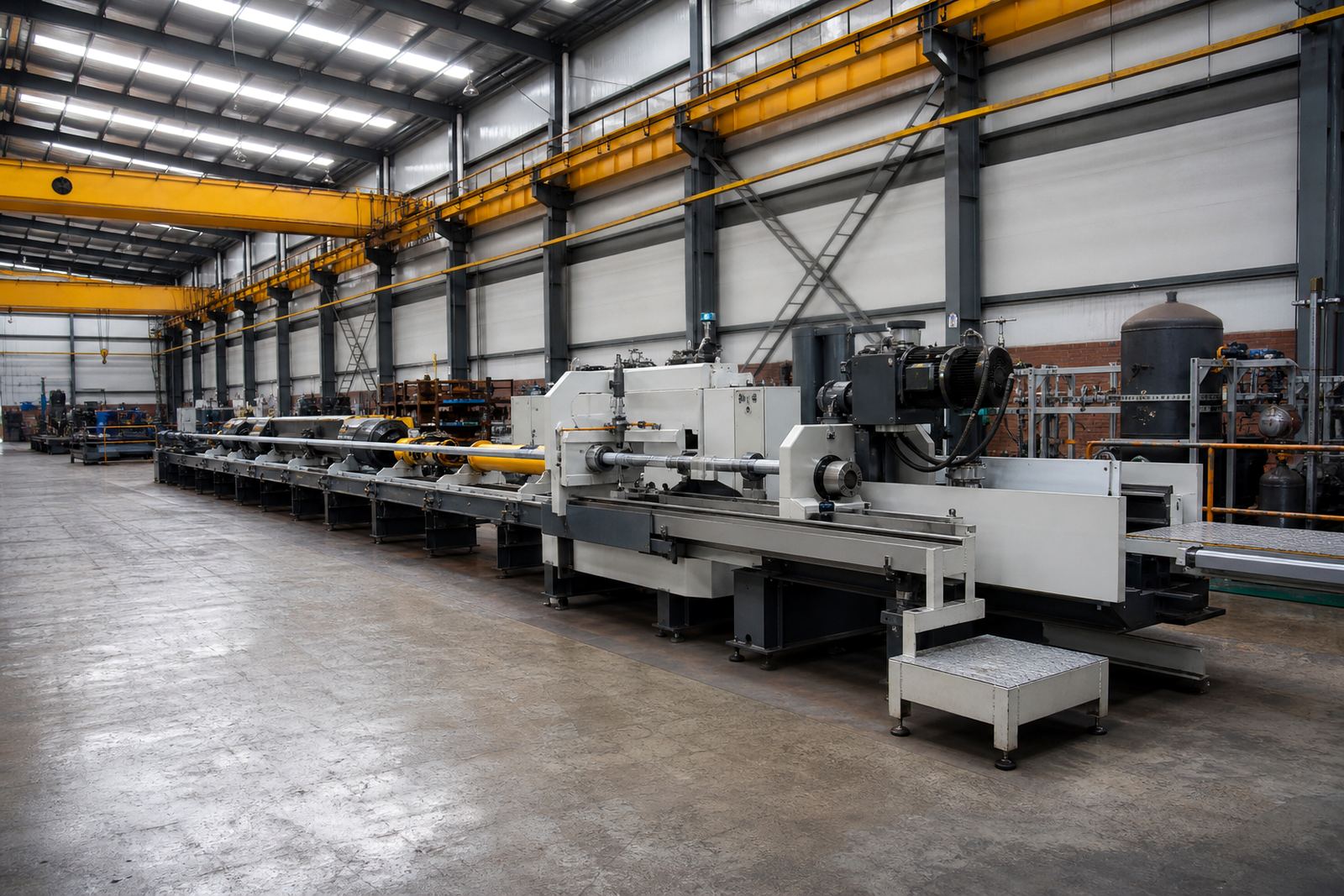
Before a gun-drilling or deep-hole boring machine is accepted, the workshop should be checked like a production job, not a storage bay. Measure the space, confirm access for unloading, and make sure the floor can take the machine and support equipment. In Benoni and across the East Rand, many shops are tight on space, so doorway widths, turning circles and crane access need to be confirmed early.
Power and utilities also matter. If the site has load-shedding exposure, think through how the machine will be commissioned and tested when supply is interrupted. Check compressed air, coolant water, drainage and any local requirements for waste handling, especially where oily coolant or swarf must be managed carefully.
- Clear the installation area before delivery day.
- Mark lifting routes, door widths and crane positions.
- Confirm power supply, earthing and utility points.
- Set aside safe storage for tooling and spare parts.
Assign One Person to Own the Acceptance Process
Acceptance goes smoothly when one person carries the process from start to finish. That person does not need to know everything, but they should know who to call, what must be checked and when sign-off can happen. At Deephole, that often means working with the workshop manager, maintenance lead or production supervisor, then bringing in the right support from the start.
For a manufacturer in Pretoria, the acceptance lead may need to coordinate the installer, the electrician, the rigging crew and the operator team. Without that control point, small issues get missed, then reappear during production startup when time is tight and every hour counts. A little structure saves a lot of running around.
- Nominate one acceptance lead and one backup.
- Record questions and open items in one place.
- Keep sign-off authority clear from the beginning.
Prepare the Operators Before the First Test Cut
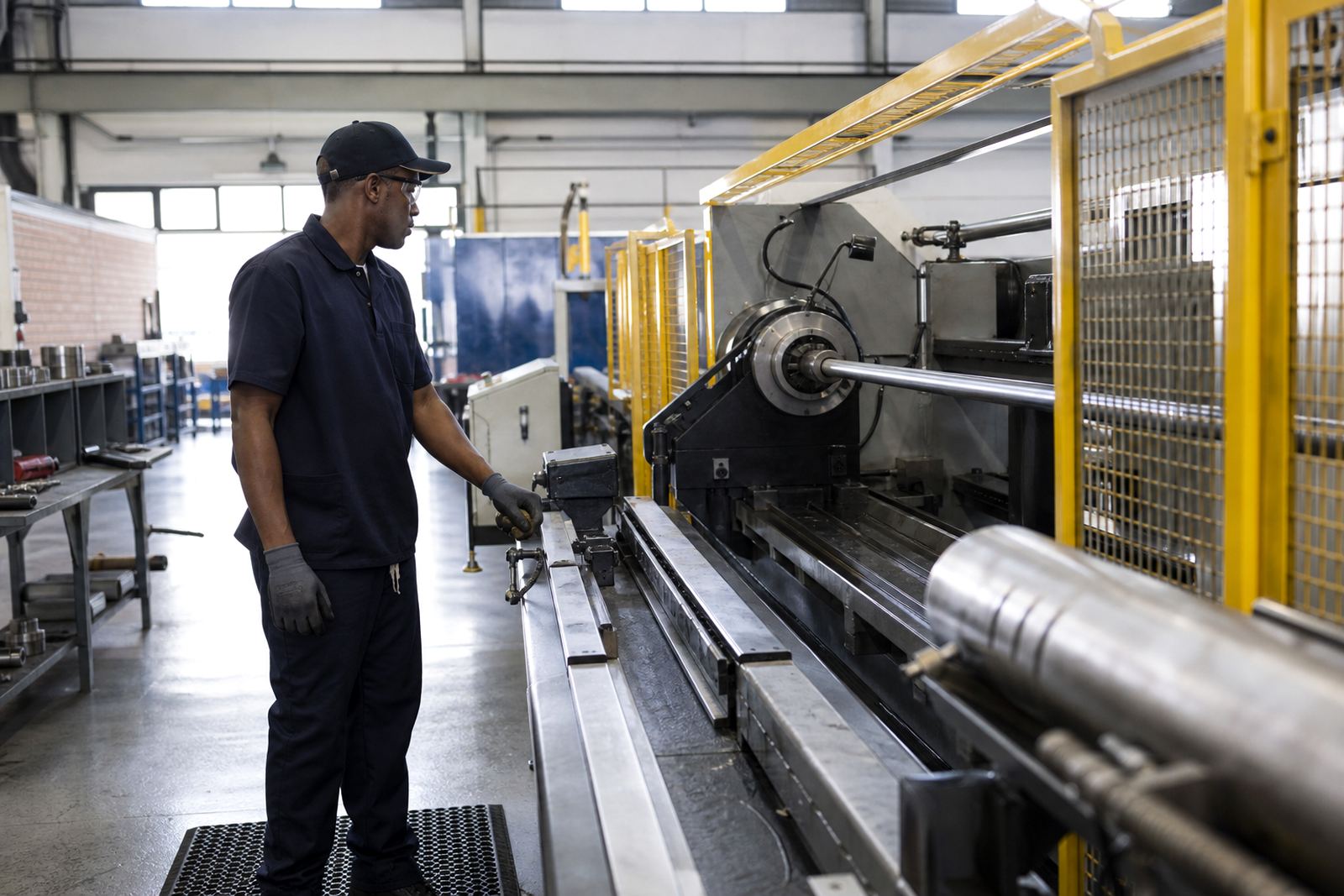
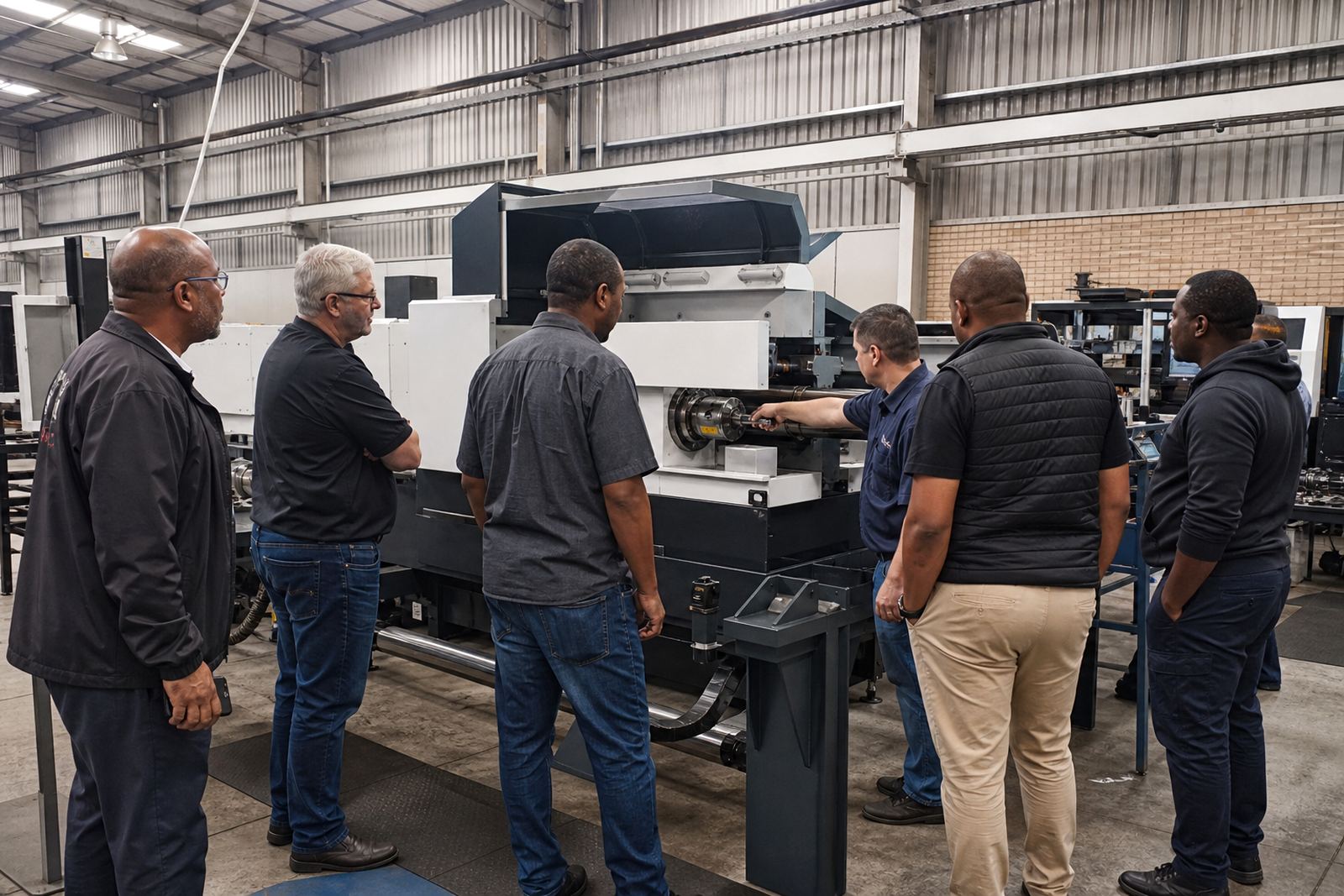
Machine acceptance is not only about the machine itself. The people who will run it need to understand the setup, basic controls, safe working steps and the limits of the process. A short pre-acceptance briefing helps operators ask better questions and spot issues earlier. It also reduces avoidable damage during the first few jobs.
Training should cover the tooling arrangement, coolant checks, alignment checks and the order of operations for the first runs. If the team handles long or difficult parts, review how they will support the workpiece and manage chip removal. In deep-hole boring, small setup errors can show up fast and cost material. Its worth slowing down at this stage.
- Review the machine layout and control functions.
- Show the correct tooling sequence and handling steps.
- Explain routine checks before every shift.
- Make sure operators know who to call for support.
Set the Tooling, Measuring and Support Kit Aside Early
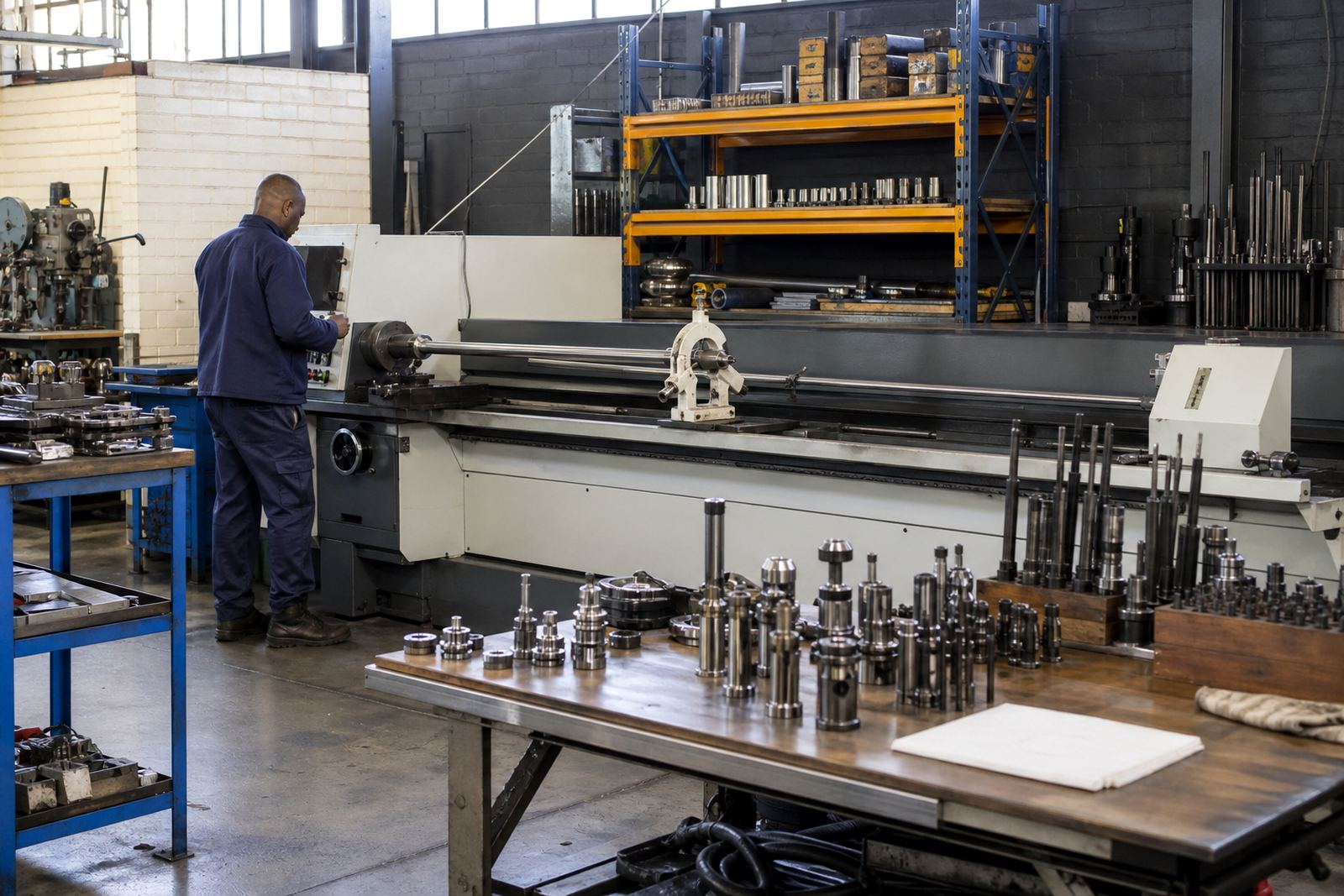
Acceptance testing is easier when the tooling and support items are ready before installation day. For gun-drilling and deep-hole boring, that includes the right holders, consumables, gauges, measuring tools and cleaning items. If you need a specific drill setup or support component, order it early so it is on hand when the machine arrives.
This is also the right time to confirm how spare parts will be handled. A plant in Durban may face different wear patterns from one in Johannesburg because of humidity, storage conditions or production mix. Keeping critical tooling and service items in one place reduces delays when a setting needs adjustment or a part needs replacement. It sounds simple, but it avoids a lot of waiting.
- List the required tooling before delivery.
- Set aside measurement tools and inspection items.
- Keep spare wear parts and service consumables close by.
Plan the Commissioning Run Like a Production Trial
Commissioning should be treated as a controlled trial, not a rushed handover. The machine should be installed, checked and then run through agreed steps so the team can confirm alignment, motion, lubrication, coolant flow and basic process stability. If anything drifts, there must be time to adjust it while the support crew is still on site.
A practical acceptance plan will include the test material, the sequence of checks and who signs off each stage. For a Gqeberha workshop, that may also mean planning around wind, coastal moisture and storage conditions that can affect tooling and machine surfaces. Allow time to clean, inspect and recheck before the final sign-off.
- Use agreed test material and a clear test sequence.
- Confirm alignment and coolant performance.
- Record adjustments made during commissioning.
- Do not rush final sign-off if issues remain open.
Keep Support Close After Sign-Off
Acceptance should not end the moment the paperwork is done. The first few production days are where many questions surface, from setup fine-tuning to minor process changes. Good aftercare helps the workshop move from test runs to real output with less stress and fewer stoppages. That is especially important where the machine is being added to an existing line and the team is juggling other jobs.
Deephole supports manufacturers and engineering shops across South Africa from Benoni, with coverage into Johannesburg, Pretoria, Durban, Cape Town and Gqeberha. For a new installation, the best results come from keeping the same people involved through setup, training and early troubleshooting. Marius Jacobus van Rensburg and the team work best when the acceptance plan is clear, the site is ready and the team knows what success looks like.
- Keep a short list of post-acceptance issues to monitor.
- Book follow-up support while the machine is still new to the team.
- Use the same records for training, maintenance and troubleshooting.