1. Confirm the machine is ready for real work
Before the first chip is made, walk through the machine from the base up. Check that installation is complete, the machine is level, guards are in place and all services are connected correctly. On a new deep-hole boring or gun-drilling machine, even a small setup issue can show up as poor finish, wandering holes or extra tool wear.
In South African workshops, the first run often happens after a busy installation period, with power interruptions, hot weather or a full shop floor working around the new machine. Take the time to verify the basics while the machine is empty. Make sure the work area is clean, the floor around the machine is clear and the operator has enough space to move safely around the bed and control side.
- Check levelling, anchor points and machine alignment
- Confirm all covers, doors and safety interlocks operate correctly
- Inspect electrical, air and coolant connections
- Make sure the machine is free from packing debris and loose hardware
- Verify emergency stops and control functions before loading material
2. Match the tooling to the job, not just the drawing
Tooling selection is where many first runs go wrong. The drawing may show the hole size and depth, but the real question is whether the drill, boring head, guides and support equipment suit the material and the finish required. If the tooling is not matched properly, the operator ends up forcing the process and chasing problems that should have been avoided at the start.
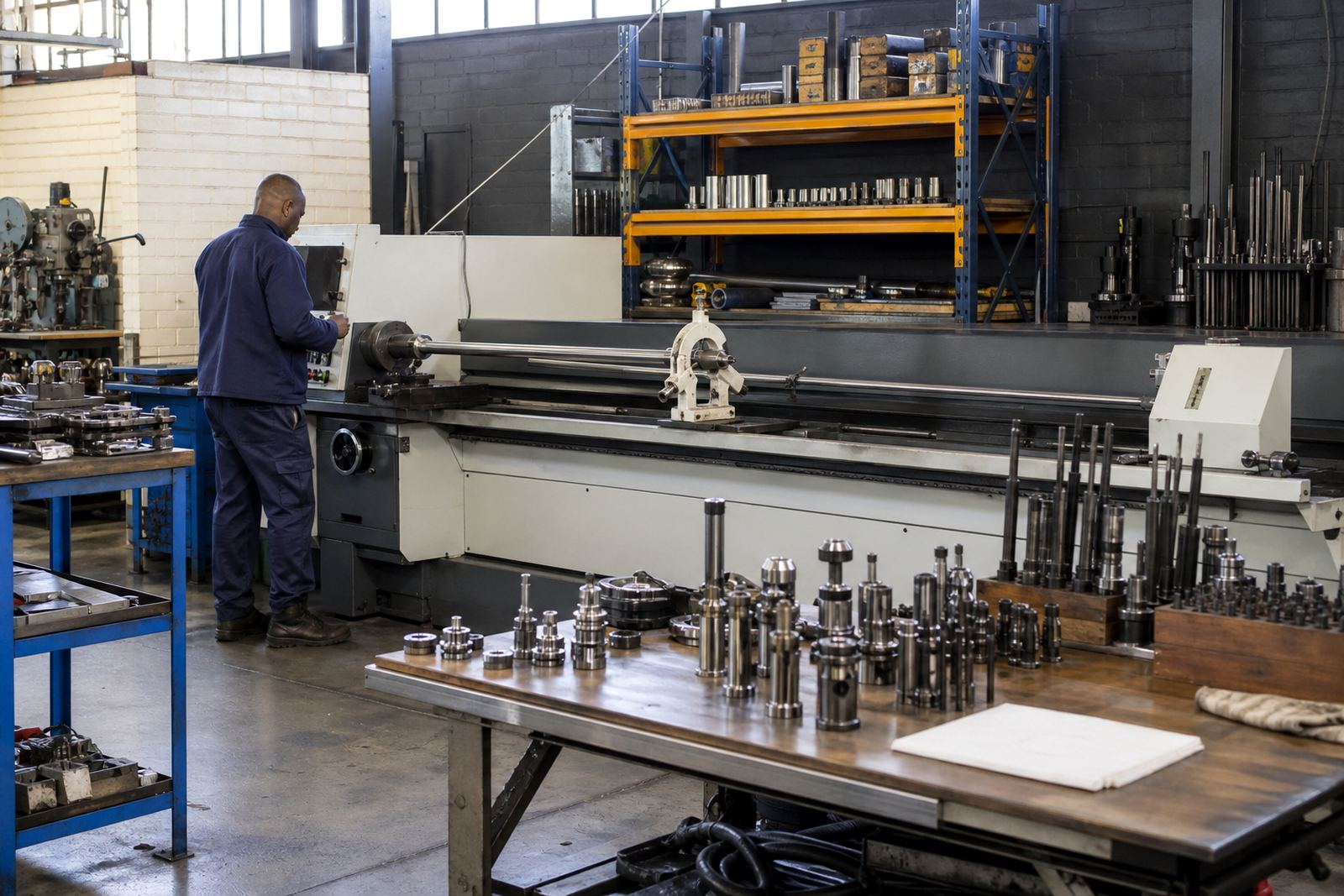
For a first run, keep the tooling plan simple and traceable. Confirm the correct tool lengths, holders, guide pads and any special accessories needed for the operation. Check that consumables are available before the cycle starts, not halfway through production. Deephole work does not forgive guesswork.
- Verify tool diameter, length and compatibility with the machine setup
- Check cutting edges, guide elements and wear parts
- Prepare spare inserts, seals and consumables where applicable
- Label tooling clearly so the setup can be repeated later
- Keep a record of the exact tool package used on the first run
3. Set the workpiece and support system carefully
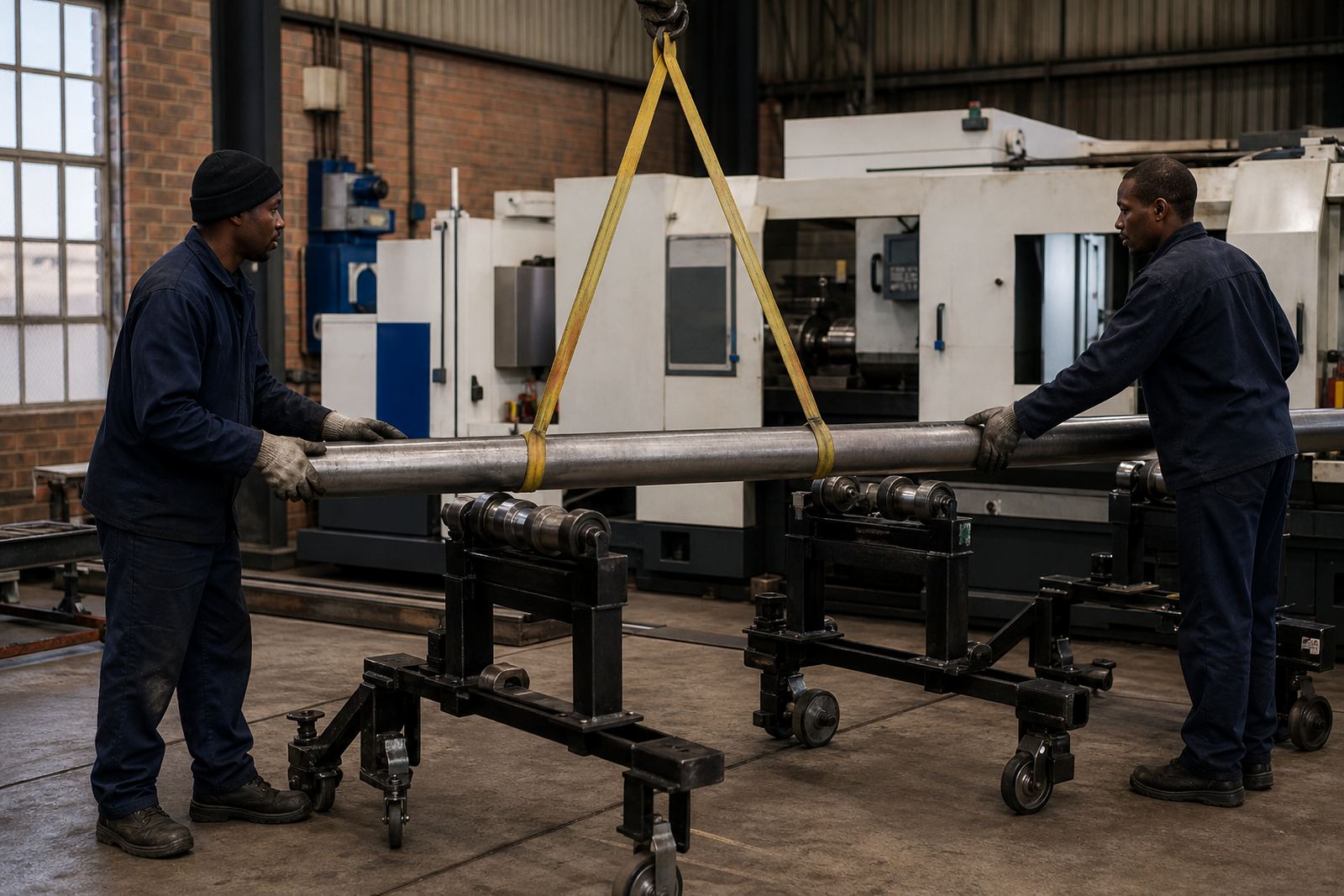
The workpiece must be clamped properly and supported in line with the hole path. If the part moves, flexes or sits out of alignment, the machine will show it immediately. In deep-hole work, support is not a nice-to-have. It is part of the process.
Check fixture height, clamping pressure and datum location before the spindle starts. For long or heavy components, confirm that rollers, steady supports or additional supports are set correctly. A part that looks fine to the eye can still be slightly out, and that small error can become a bigger one by the time the hole reaches full depth.
A Benoni workshop running its first batch after setup may be tempted to start with production speed. That is usually the wrong move. Start with a single piece, inspect it, then adjust if needed. A slower start saves time later and gives the team a clean reference for the next job.
4. Check coolant flow, chip removal and cleanliness
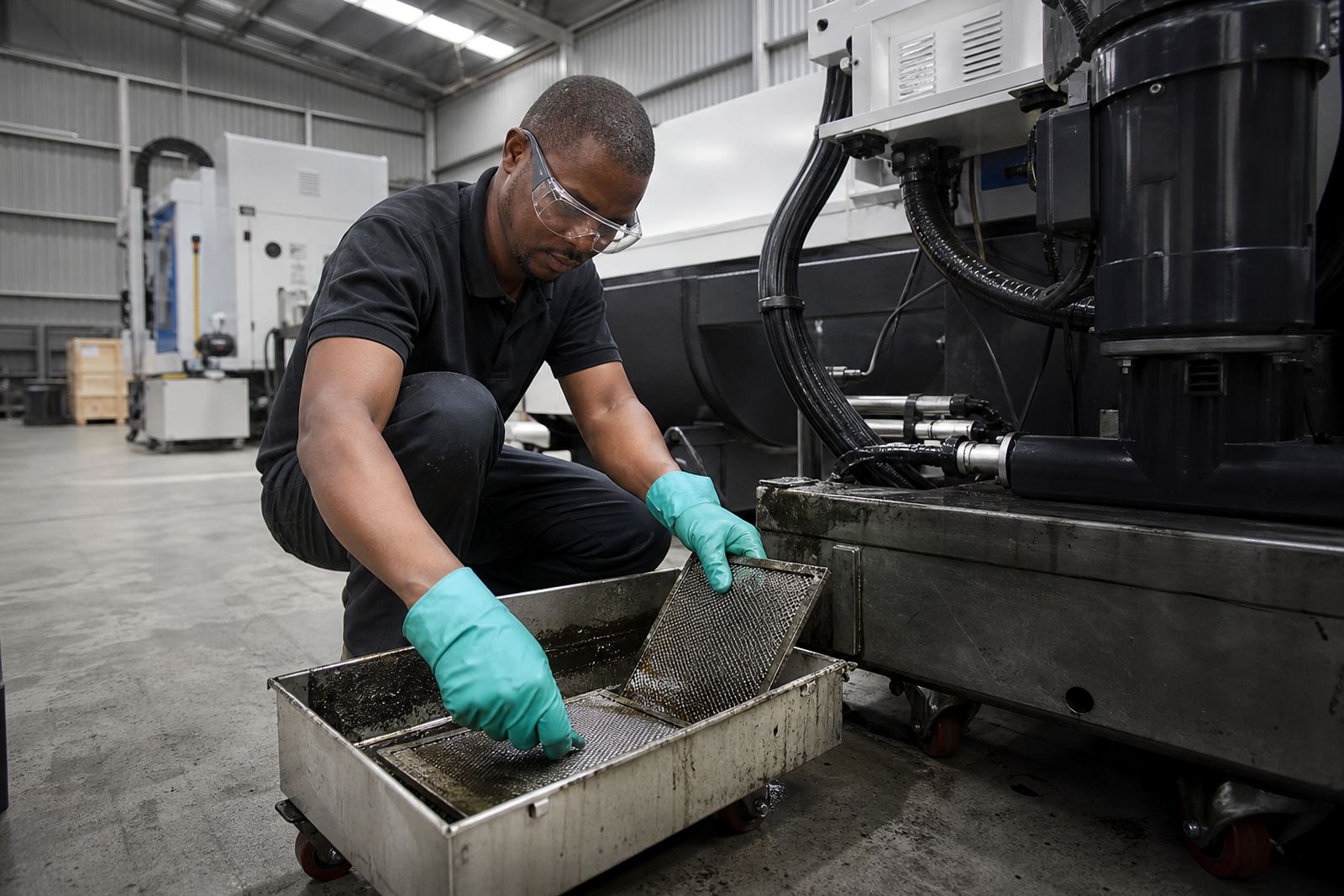
Coolant and chip control matter just as much as the cutting tool. On gun-drilling and deep-hole boring jobs, poor coolant delivery or chip evacuation can damage the hole surface, shorten tool life and create heat where you do not want it. Before the first run, confirm the coolant system is clean, filled correctly and circulating as intended.
In many Gauteng workshops, load-shedding and hot shop conditions can affect how equipment behaves on the first shift. Watch for signs of poor flow, foaming or contamination. If the coolant is dirty or the tank has not been cleaned after commissioning, sort that out before production starts. It is easier to clean a system now than to recover a damaged job later.
- Check coolant level, concentration and flow direction
- Inspect nozzles, hoses and filters for blockage
- Confirm chip removal paths are clear
- Clean the tank and surrounding area before the first run
- Monitor heat build-up during the initial cycle
5. Run the first part at a controlled pace
The first production piece should be treated as a test of the full setup. Start with the agreed parameters, then monitor the machine closely. Listen for unusual noise, watch the load and inspect the cut at the first practical stop point. If the process is stable, continue. If something feels off, stop and check before the issue grows.
There is value in involving the operator, applications specialist and service support together on the first run. That way the person running the machine knows what normal looks like, and the team can agree on any changes before the job moves into regular production.
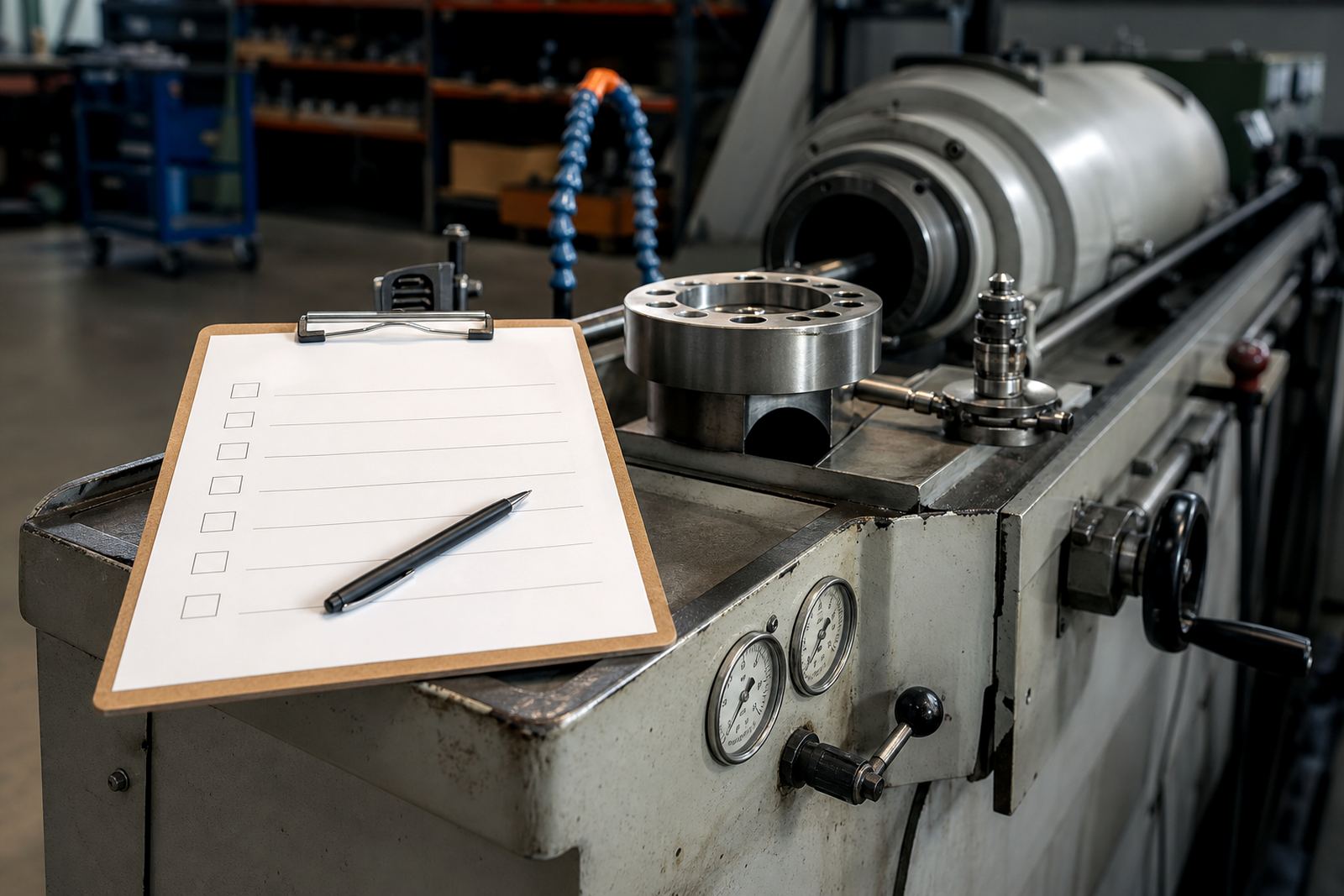
Keep a simple record of what happened on the first part, including any adjustments made. A first run sheet helps when the same part returns weeks later and the team needs to repeat the setup without guessing.
6. Record the setup so the next batch starts faster
Good notes save money. After the first run, capture the details that matter: tooling used, clamping method, coolant setting, support positions, inspection results and any machine adjustments. This does not need to be complicated. It just needs to be accurate and easy to find.
That record becomes the base for production startup, preventive maintenance and later troubleshooting. When a manufacturer in Pretoria or a job shop in Durban calls for support, clear notes often cut the problem down to size much faster than a vague description over the phone.
If the first run reveals a setup weakness, fix it straight away. That might mean an alignment check, a tooling change, a coolant adjustment or operator retraining. Deephole support is strongest when the workshop team and the machine supplier work from the same facts.