
Why deep-hole work can suit a smaller shop
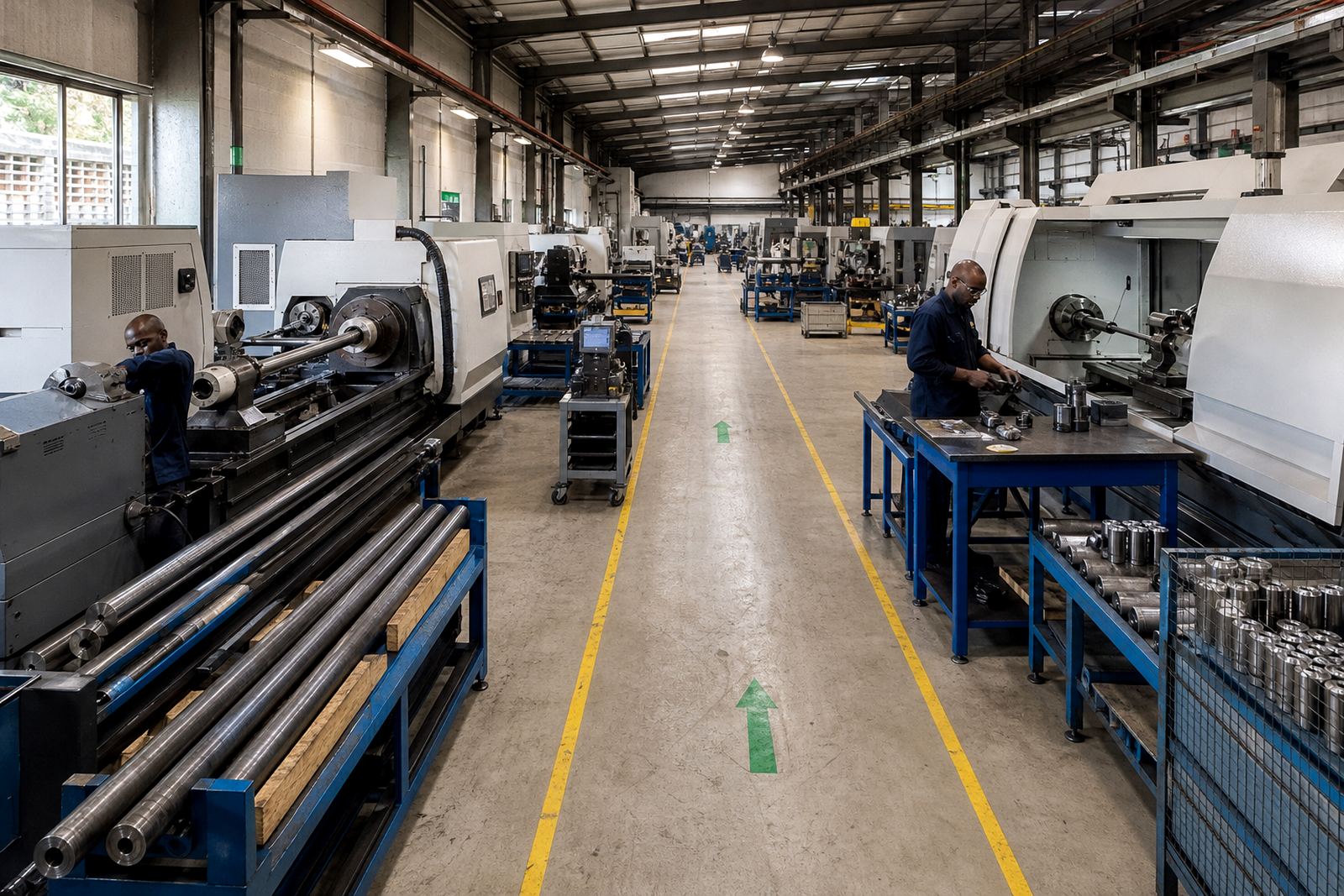
Many customers want one thing done well, on time and without a lot of back and forth. That is where a smaller shop can stand out. Gun-drilling and deep-hole boring are specialist processes, so a shop that keeps its setup tight, its tooling organised and its process disciplined can become the place people call when the job needs care rather than volume.
In South Africa, this matters for manufacturers dealing with short lead times, municipal shutdowns, load-shedding and pressure to keep production moving. A smaller operation can often respond faster, especially when the owner or lead technician is close to the work and decisions happen quickly. For many customers, that practical approach matters more than size.
- Short runs and urgent work can suit a focused setup
- Specialist drilling often needs careful preparation more than large scale capacity
- Repeat work grows when tolerances and surface finish are consistent
The real value is in the setup, not just the machine
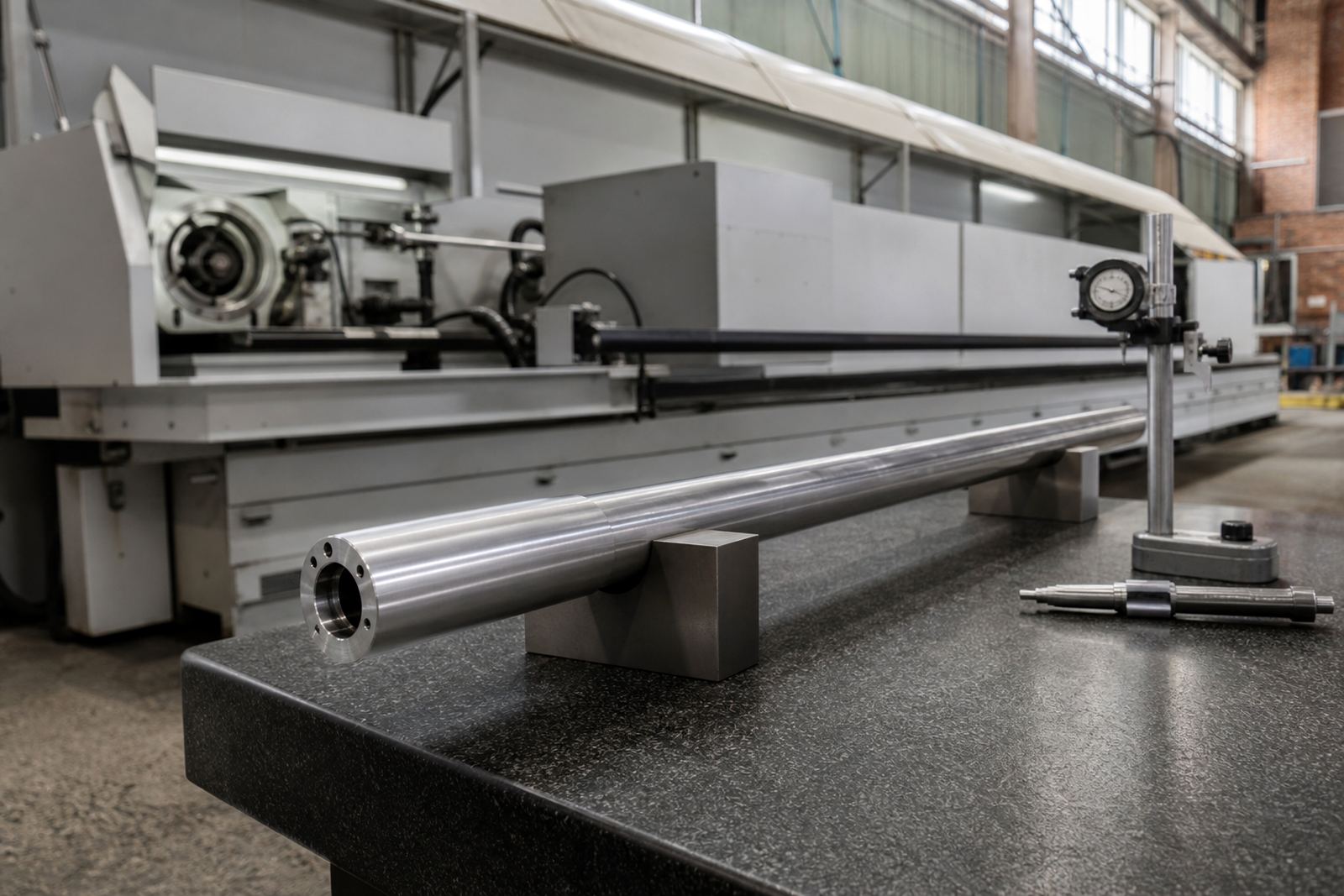
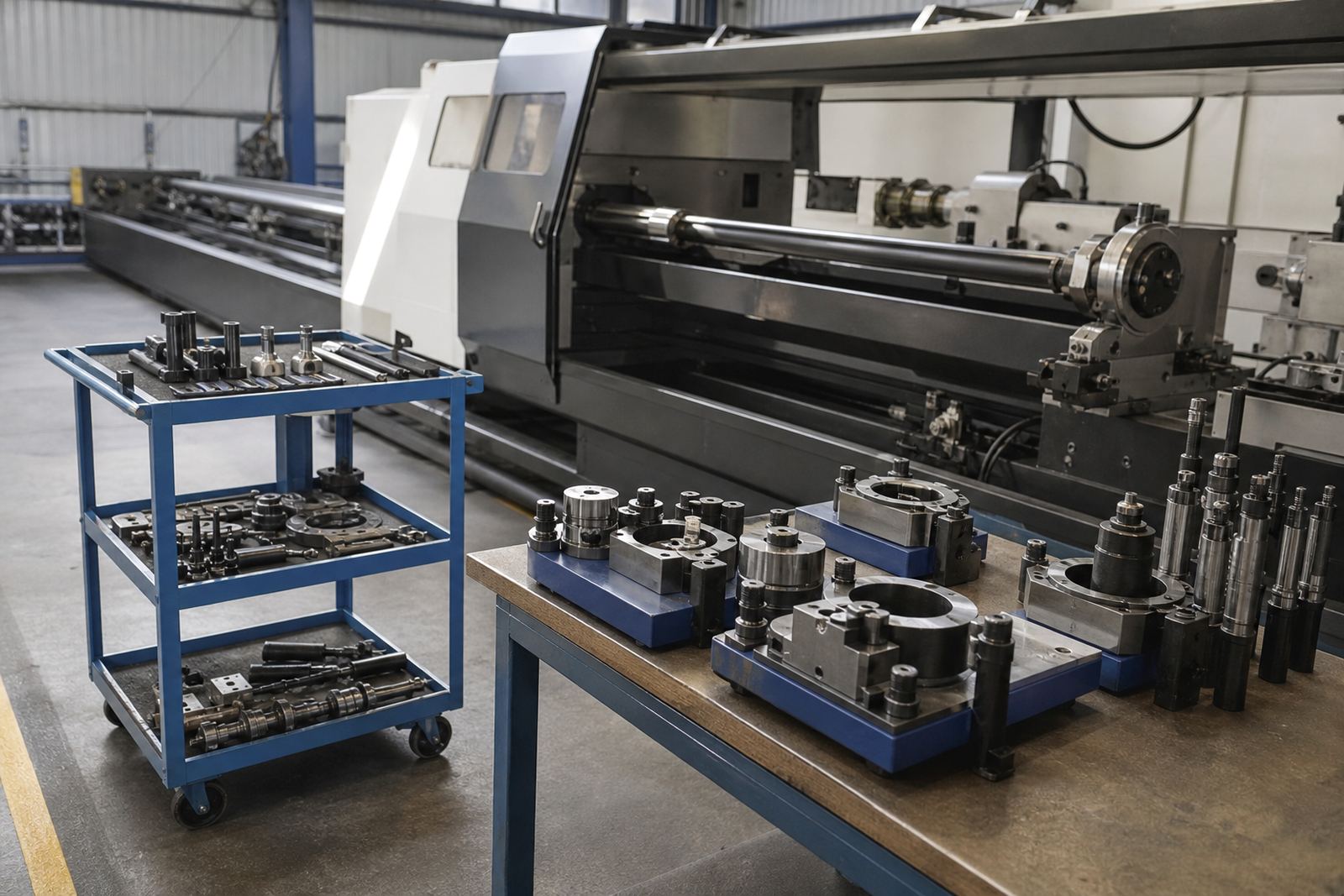
A deep-hole machine is only part of the picture. The real difference often comes from how the job is prepared, how the workpiece is fixtured and whether the tooling matches the material and hole requirement. Small shops that understand setup can save time, reduce scrap and avoid costly rework. That is where support matters from day one.
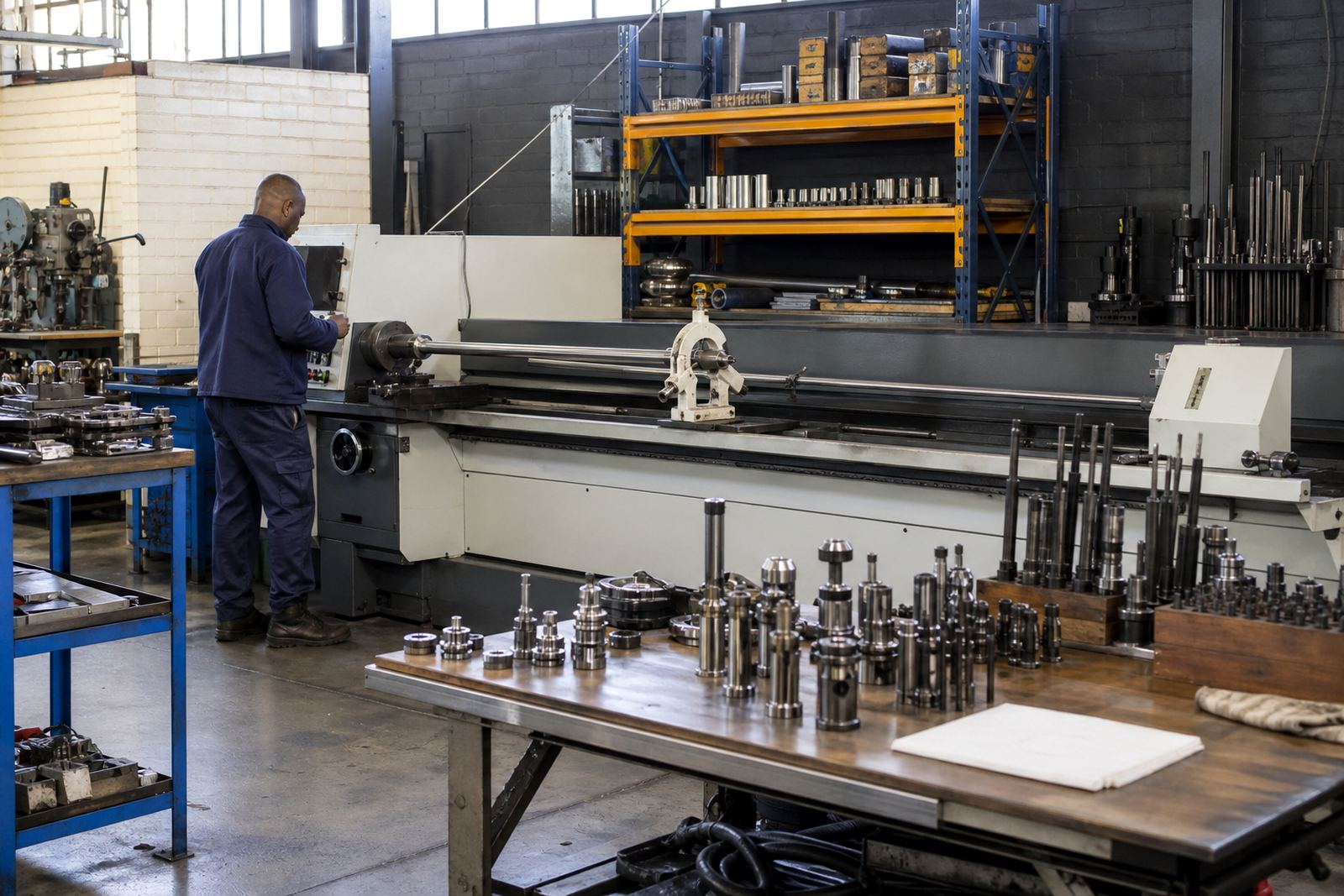
For a shop in Benoni, Boksburg or Kempton Park, a machine may be shared across several jobs in a week, so changeovers need to be planned properly. Tooling selection, alignment checks and coolant system service all help keep production steady. One loose clamp or poor alignment can affect the whole job, so the process needs attention, not guesswork.
- Tooling selection should suit the material and the hole depth
- Alignment checks help protect accuracy and tool life
- Coolant flow and filtration are part of the process, not an afterthought
Jobs smaller shops can realistically target
Small shops do best when they choose work that matches their strength. Rather than chasing every enquiry, they can build a clear offer around deep-hole and precision drilling tasks that need hands-on care. This makes quoting easier and helps the team keep a consistent standard.
Typical opportunities include components for general engineering, tooling parts, repair work, and production support where a customer needs a dependable supplier nearby. In many cases, the client does not need a giant production line. They need a shop that can drill accurately, communicate clearly and deliver without drama.
- Repair and replacement components
- Special fixtures and custom parts
- Low to medium volume production work
- Problem jobs that need process troubleshooting
Support that helps a small team take on harder work
Smaller shops often have skilled people but limited time to solve every issue alone. That is why machine installation, commissioning and production startup support can make a real difference. With proper training, a team can move from cautious first runs to repeatable production much faster.
Support also matters after the machine is running. Breakdown support, spare parts support and preventive maintenance help protect output when orders are tight. In coastal areas such as Durban or Gqeberha, service on coolant systems and machine alignment can be especially important because humidity and site conditions can affect day to day performance. A shop that keeps on top of maintenance usually spends less time firefighting.
- Operator training builds confidence on the floor
- Process troubleshooting helps when a job is behaving badly
- Preventive maintenance can reduce unplanned stoppages
- Spare parts support keeps delays from turning into lost work
A local example from the East Rand
Consider a small engineering shop on the East Rand that already handles general machining and repair work. The team starts getting enquiries for deeper bores and more specialised hole-making work from customers in Johannesburg and Pretoria. Instead of turning those jobs away, they add the right machine, get help with setup optimisation and train one operator to handle the process carefully.
Within a short time, the shop has a new service line without needing a huge expansion. It can quote more confidently, take on work other shops avoid and build a reputation for precision. The point is not to become the biggest supplier. The point is to become the supplier who can do a difficult job properly, every time.
What to ask before you take on the work
Before a smaller shop commits to deep-hole work, it helps to ask the practical questions upfront. What material is involved? What hole depth and finish are required? Is the job a one-off or repeat production? Does the customer need installation support, or only machining and tooling? Clear answers make it easier to plan the process and quote properly.
It also helps to know who will support the machine after delivery. A good support partner should be able to help with commissioning, training, alignment checks and troubleshooting when production starts. That way the shop is not left figuring it out on its own. When the setup is right, even a modest operation can handle work that adds real value.
- Confirm material, depth, finish and volume before quoting
- Check whether tooling will be included or selected separately
- Plan for training and early production support
- Keep a maintenance routine from the start