Why the guide bush matters at the start of the hole
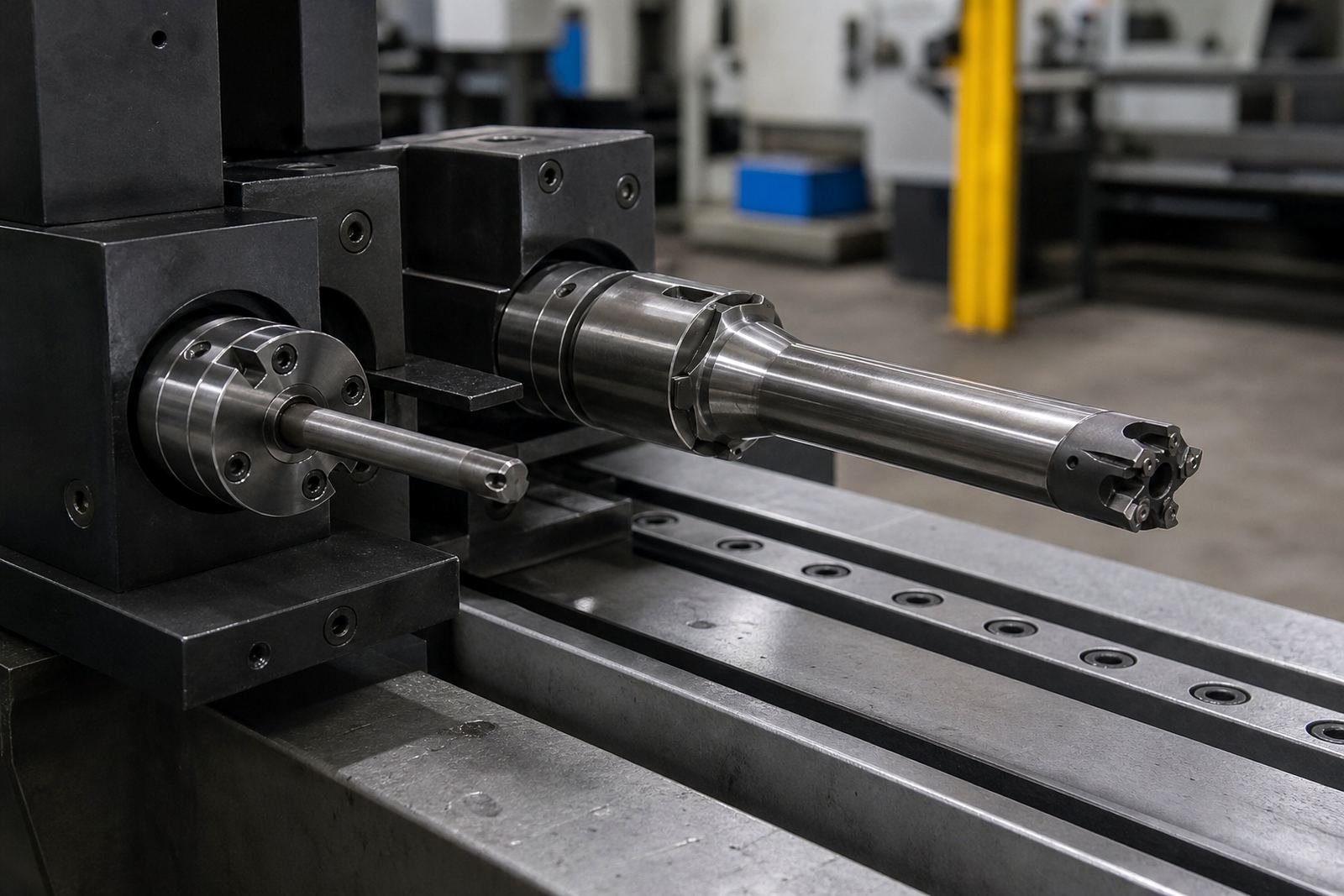
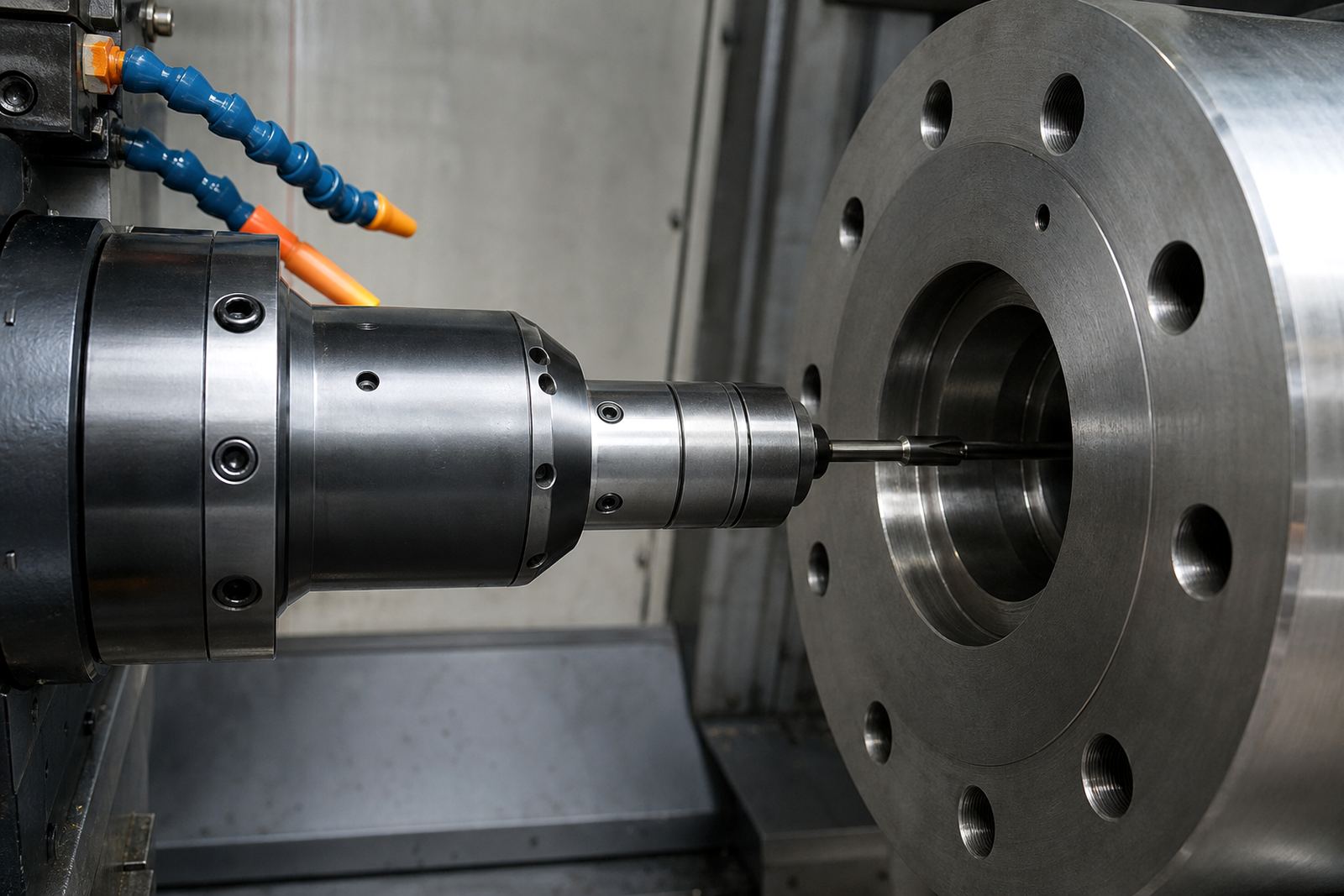
The first few millimetres of a deep hole set the tone for the rest of the job. If the drill enters off-centre, chatters or wanders, the whole process becomes harder to control. A guide bush helps support the tool at the point where it needs the most stability, especially when the workpiece is long, slender or awkward to hold.
In a South African workshop, that matters when the job must move on schedule despite power interruptions, shift changes and mixed batch work. A proper guide bush helps reduce the risk of rework when the operator has to restart after load-shedding or when the machine comes back into production after maintenance.
How guide bushes support straightness and finish
Deep-hole drilling is not only about reaching depth. It is about keeping the bore straight enough for the next operation, whether that is honing, boring or assembly. The guide bush gives the drill a controlled path at the entrance and helps limit side movement, which can otherwise mark the bore or shorten tool life.
On tighter jobs, small changes at the start can show up later as poor finish, size variation or a bore that needs extra correction. The guide bush does not replace correct machine alignment or sound tooling selection, but it is part of the base setup that lets the rest of the process work as intended.
- Helps support the drill at entry
- Assists with repeatable start conditions
- Reduces chatter where the tool first bites
- Supports cleaner surface finish in the early cut
Where guide bush problems usually begin
When a workshop sees poor hole quality, the guide bush is not always the first item people check, yet it is often involved. Wear, poor alignment, contamination or the wrong setup can all affect performance. A bush that is too loose will not guide properly. One that is too tight can create heat, drag and premature tool wear.
Coolant condition also plays a part. In coastal areas such as Durban or Gqeberha, humidity and corrosion can affect stored tooling if housekeeping slips. In Gauteng, fine dust and swarf can do similar damage if the bush is not cleaned and checked as part of normal maintenance.
- Worn internal surfaces
- Misalignment between machine and job setup
- Swarf build-up around the entry point
- Poor coolant flow or contamination
- Incorrect bush size for the tool being used
Selecting the right guide bush for the job
There is no one-size-fits-all answer. The right guide bush depends on the tool, the material, the job sequence and the machine setup. On some parts, the priority is control at the start. On others, the focus is keeping the cutting action consistent while the drill is deep inside the workpiece.
For manufacturers and engineering shops across Johannesburg, Pretoria and the East Rand, the practical step is to match the guide bush to the process before production starts. That avoids unnecessary trial and error once the clock is already running and operators are waiting for a stable start.
- Match the bush to the tool diameter and process
- Check compatibility with the machine setup
- Confirm access for loading, cleaning and inspection
- Consider how quickly the part will be changed between jobs
Setup habits that protect the guide bush
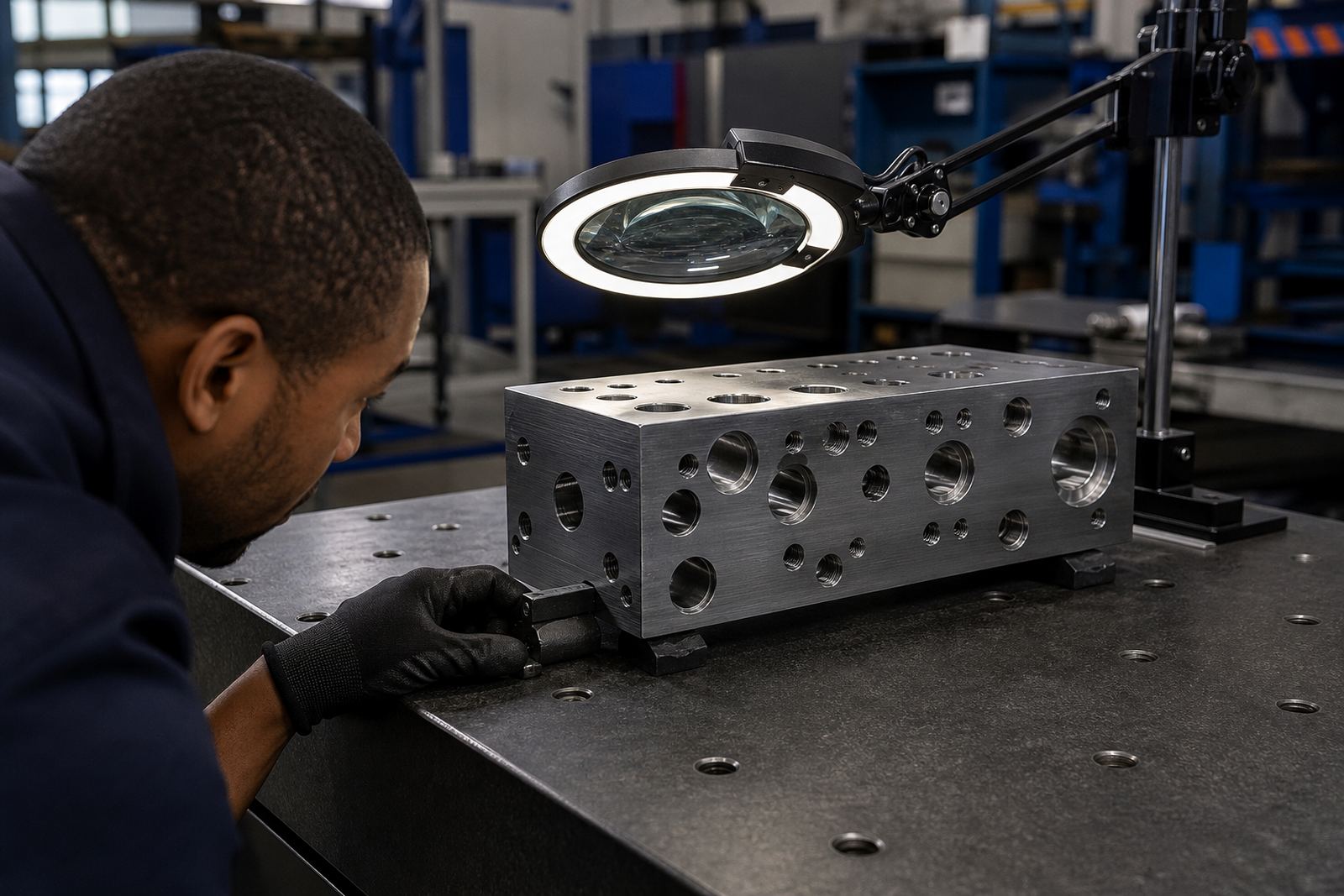
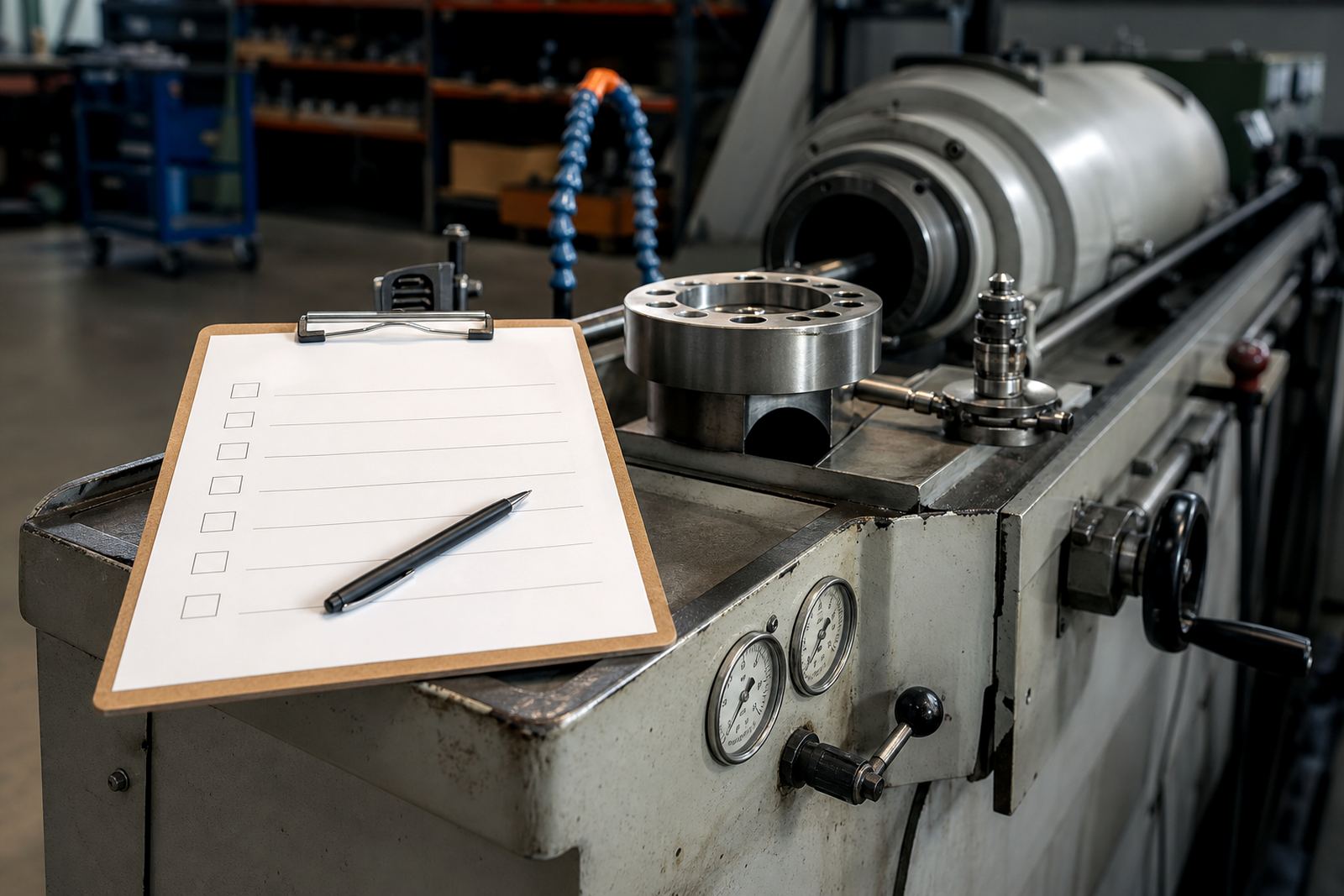
Good results often come from simple habits. Clean contact surfaces before mounting. Check alignment before production starts. Confirm that coolant reaches the cutting zone properly. If the bush shows signs of wear, do not leave it in service longer than necessary just to finish a run. That can cost more in scrap than the part is worth.
At Deephole, setup optimisation, alignment checks and production startup support are part of the day-to-day work around deep-hole systems. That support matters when a shop in Benoni needs to move from one part to another and cannot afford to spend half a shift chasing an avoidable fault.
It also helps to keep spare parts and tooling support organised. When a bush needs replacing, waiting days for a fix can hold up a full production line, especially in shops running time-sensitive work for multiple customers.
A Benoni example from the workshop floor
A local engineering shop in the East Rand may be running a long shaft component for a customer in Pretoria. The part itself is not unusual, but the bore must stay controlled from the first pass. If the guide bush is not set correctly, the operator may see rough entry, extra vibration and a bore that needs more correction later.
With the right setup, the same job becomes easier to repeat. The operator starts with a clean, aligned guide point, checks coolant delivery and keeps an eye on swarf clearing. That practical routine saves time, and it is often the difference between a smooth production run and a day spent fixing one problem after another.
For workshops in Johannesburg, Cape Town, Durban and Gqeberha, the lesson is the same. The guide bush is not a small afterthought. It is one of the first control points in the process, and it needs the same attention as the machine itself.
When to bring in support before the job slips
If hole quality is drifting, tool wear is rising or setup time is growing, it is worth checking the guide bush and the rest of the drilling path before the issue gets expensive. That is especially true when production is under pressure and there is no room for repeated test cuts.
Deephole supports manufacturers and engineering shops from Benoni across Gauteng and into the major centres nationwide through machine installation, commissioning, tooling selection, process troubleshooting, preventive maintenance, breakdown support and operator training. The aim is simple: keep the process steady, keep the bore under control and keep production moving.