When a pilot hole earns its place in the process
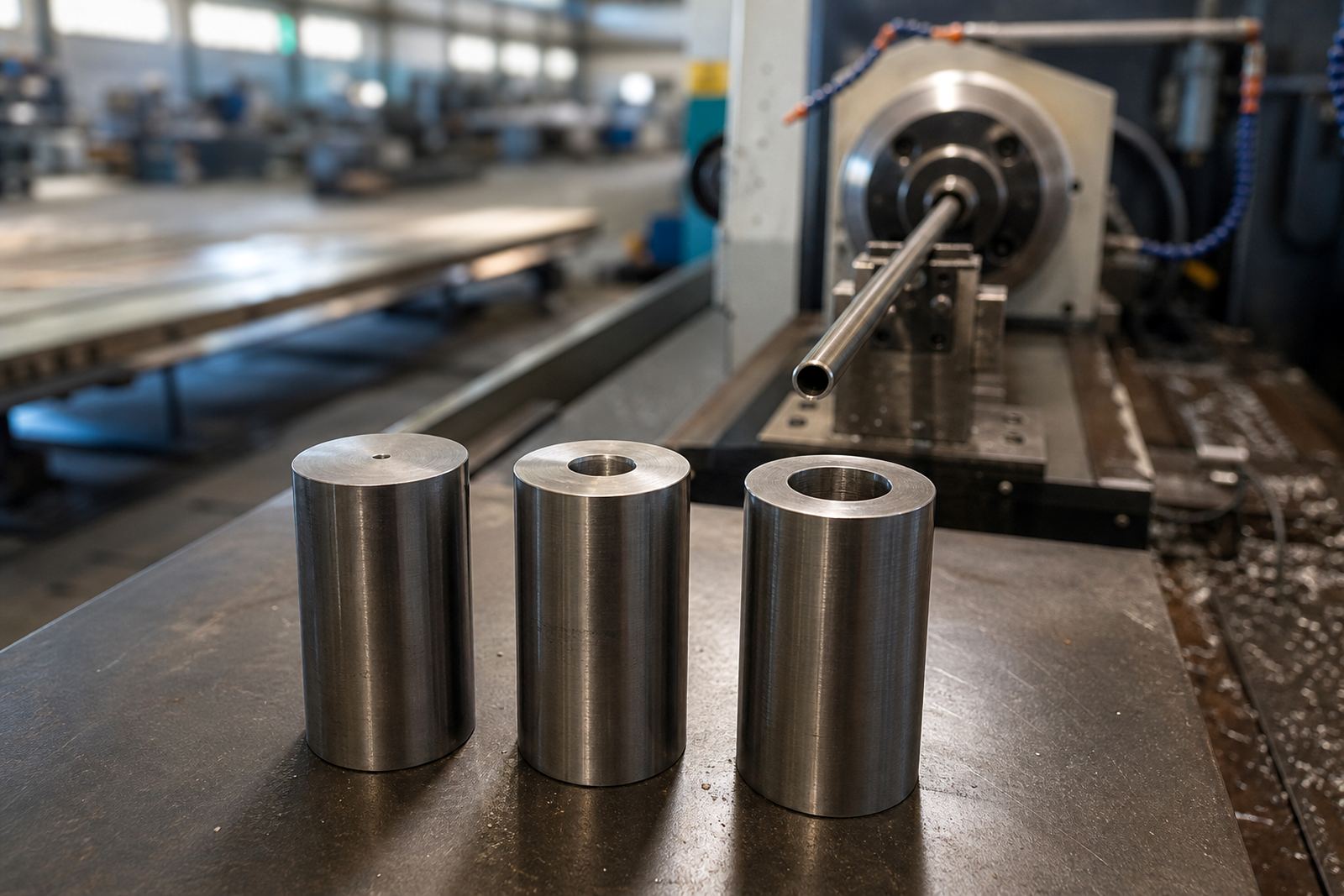
A pilot hole is not a shortcut for every job, but it can be the right start when the hole must begin true and stay true over a long depth. In gun-drilling and deep-hole boring, the first few millimetres set the tone for the whole process. If the entry is off, the tool can fight its way down the part, and that usually shows up later as poor finish, wandering centreline or extra clean-up work.
In practice, pilot holes are most useful where the material, length-to-diameter ratio, or component geometry makes the initial entry difficult to control. They can help the operator establish a cleaner lead-in, reduce the chance of skidding on the surface, and give the tooling a more settled start. On busy floors in places like Benoni or Johannesburg, that sort of control matters because nobody wants a part coming off the machine only to be sent back for correction.
What a pilot hole can improve on the shop floor
A well prepared pilot hole helps the drilling process in a few practical ways. It gives the tool a defined entry point, which can improve starting accuracy and lower the risk of surface damage. It can also make setup easier when the workpiece shape, clamping arrangement or material condition creates some uncertainty at entry.
- Better location control at the start of the hole
- Reduced tendency for the tool to walk on the surface
- Cleaner entry into hard, uneven or scale affected stock
- More confidence during setup and first-piece checks
- Less chance of wasting time on repeated starting attempts
That said, pilot holes are not a fix for poor fixturing or a tired machine. If the part is not square, the support is weak, or the alignment is out, the pilot only carries the problem further in. This is why process control and machine condition need to be checked together.
Where pilot holes help most in South African production
South African workshops often deal with mixed batches, repair work and short lead times. A pilot hole can be especially useful when a part arrives with a rough saw cut, cast surface, weld repair or other condition that makes direct entry less predictable. It is also handy when operators are working under pressure to keep production moving during load-shedding windows, since the start of the job is often the part most likely to go wrong if the machine has just come back online.
We see this kind of thinking in plants across Gauteng, Durban and Cape Town, where the job may be one-off or repeat production but still needs the same entry quality every time. A local example is a machine shop in the East Rand making long hydraulic components. By using a controlled pilot first, the team can improve entry consistency before the deep-hole process begins, which helps keep later correction work to a minimum.
- Repair and refurbishment work on used components
- Jobs with rough or inconsistent starting surfaces
- Long holes where small entry errors can build up
- Parts that must be set up quickly without losing accuracy
Sizing and preparation matter more than many shops expect
The pilot hole must suit the process that follows. Too small and it may not support the tool properly. Too large and it may remove the very guidance you were trying to create. The idea is to prepare the entry so the gun-drilling or deep-hole boring process can begin under control, not to do half the job twice.
Good preparation usually means checking the centre position, confirming the face is suitable, and making sure the hole starts clean. Swarf, scale, coolant contamination and poor break-in conditions can all affect the result. In humid coastal areas like Gqeberha or Durban, stored stock can pick up surface corrosion quicker than many shops expect, so the first contact between tool and workpiece needs a bit more attention than usual.
When a pilot hole is used, the team should still confirm alignment, support and coolant delivery before production starts. A few minutes spent here can save hours later.
Tooling, setup and support around the first entry
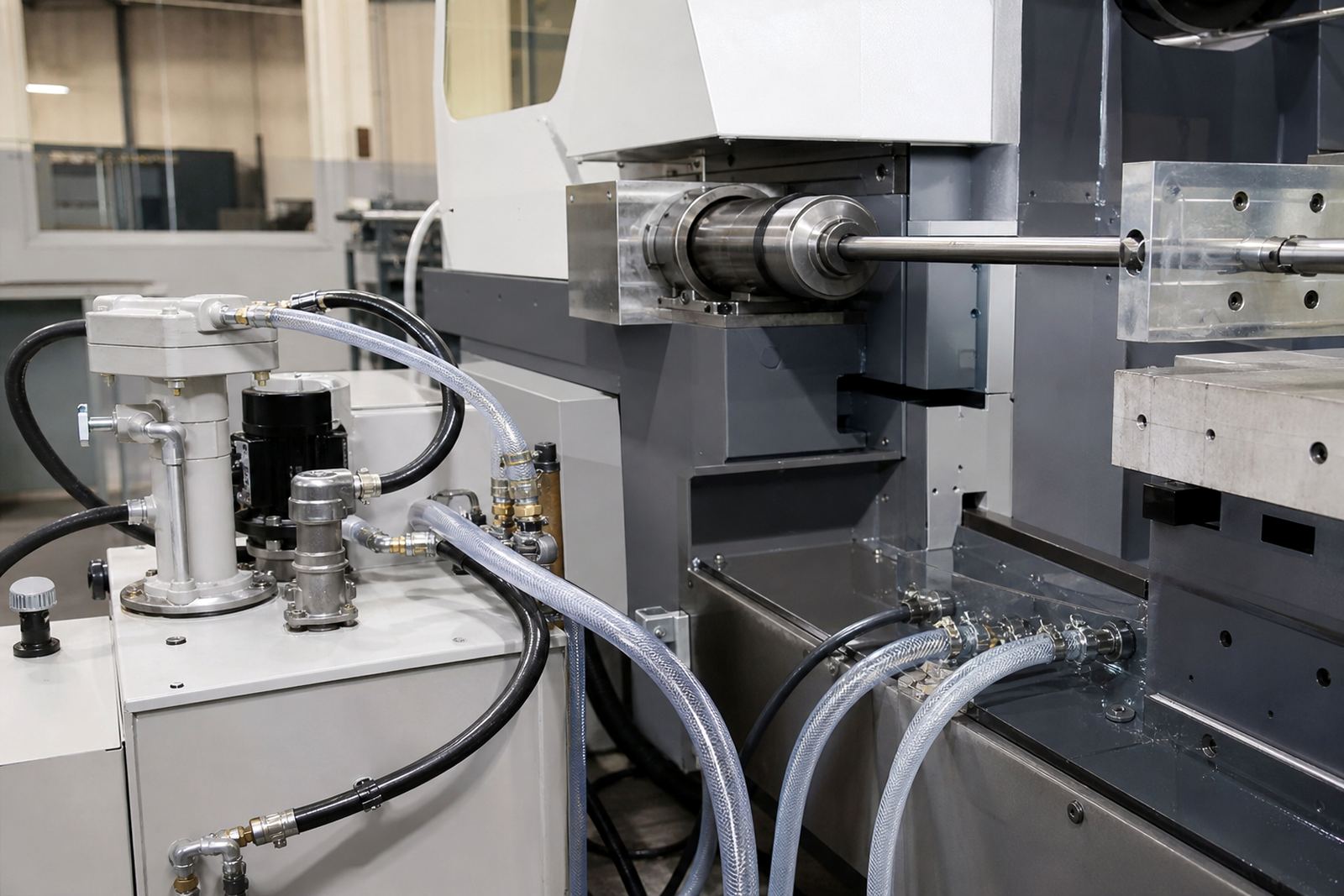
Pilot holes work best when the rest of the setup is sorted. That means the machine is aligned, the tooling is selected for the material, and the operator knows how the job should behave at entry. Deephole supports manufacturers and engineering shops with machine installation, commissioning, tooling selection, setup optimisation, operator training and process troubleshooting, all with the aim of making the first cut count.
For teams in Pretoria, Benoni, Durban and Cape Town, support often starts with the basics: checking the pilot, confirming the tool path, and making sure the coolant system is doing its part. A small issue at entry can become a bigger issue once the hole gets deep, so it pays to get the set-up right before the machine starts cutting.
- Check alignment before the first run
- Confirm the pilot suits the intended process
- Inspect coolant flow and filtration
- Review chip evacuation behaviour early
- Train operators to spot entry issues quickly
When not to rely on a pilot hole alone
There are times when a pilot hole is useful, but it should not be treated as a cure-all. If the machine is out of alignment, the part is not properly supported, or the tooling is not suitable for the material, the pilot hole will not solve the underlying issue. It may even hide the problem until it shows up deeper in the cut, which makes the fault harder to trace.
That is why process control matters. The best results usually come from matching the pilot to the job, then checking the full chain from setup to tool condition to coolant delivery. If something changes in the cut, do not assume the pilot is to blame on its own. Look at the whole process and correct the root cause.
For shops across South Africa, that approach protects uptime, reduces scrap and keeps production plans on track. It also makes it easier to bring new operators into the process because the starting point is clearer and more repeatable.