
Start With the Flow Path, Not the Machine
Before any drilling starts, the flow path inside the manifold block needs to be clear on paper and on the machine. That means checking where each port begins, where it must break into another passage, and how much material must stay in place for strength and sealing. If the layout is rushed, you can end up with passages that are hard to clean, hard to inspect, or too close to a face that still needs to carry pressure.
For manufacturers in Benoni and the East Rand, this planning stage is worth proper time because a correction after machining costs more than a careful first setup. A good rule is to confirm the drawing, the datum points and the drilling order before the first tool goes in, especially when the block has several intersecting bores.
Why Intersecting Passages Need Careful Setup
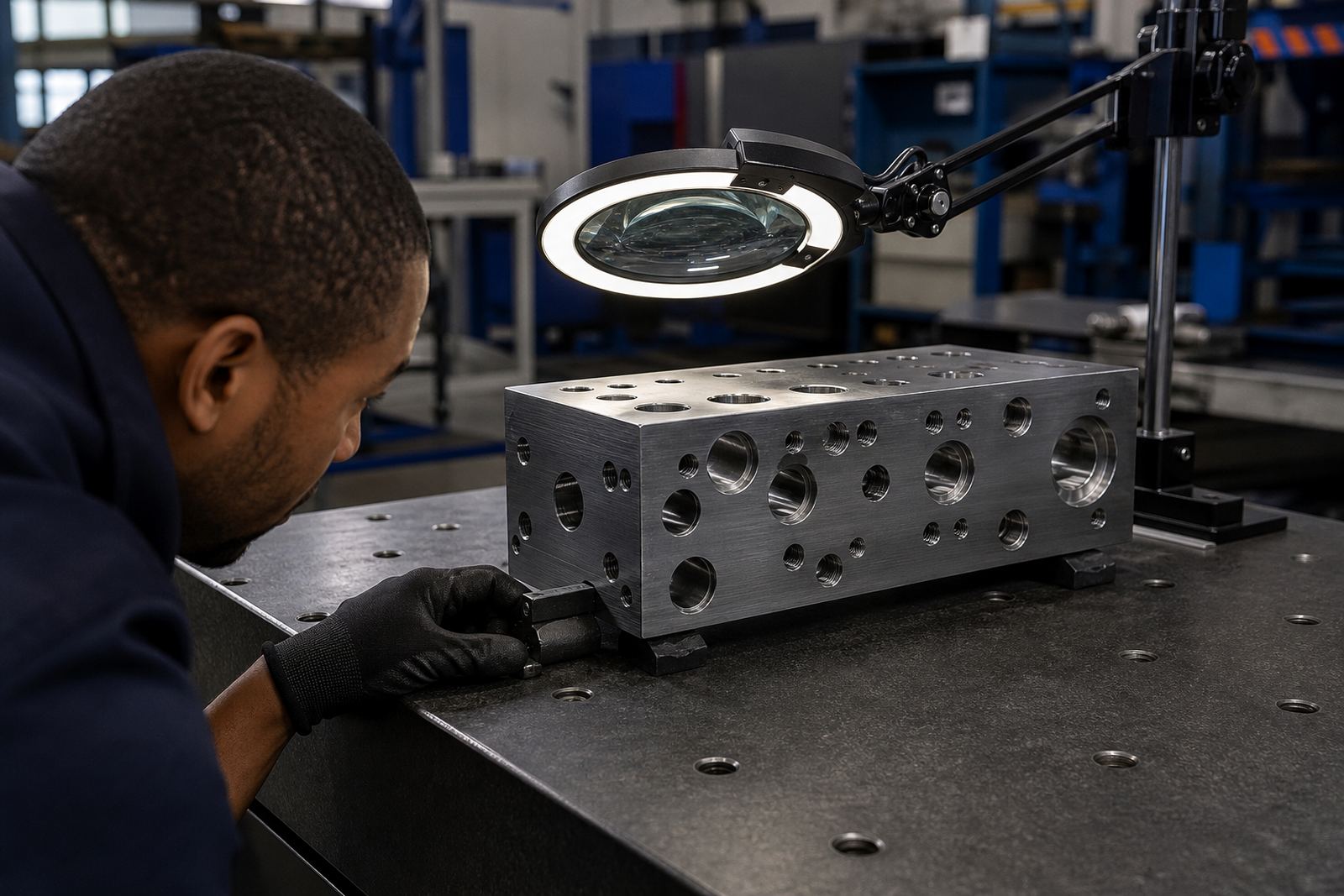
Intersecting passages are common in hydraulic manifolds, but they are also where small setup errors become big ones. If the workholding is not square, or the machine is not aligned to the block, the drill can break through in the wrong place or leave a weak section between ports. That can affect pressure control, internal leakage and the life of the part.
- Clamp the block so it cannot move under feed pressure
- Confirm centre height and axis alignment before drilling
- Check the entry face for burrs, scale and damage
- Plan the order of passages so chips clear properly
On deep-hole work, a clean entry matters too. A poor start can push the drill off line before it reaches depth, and once that happens the correction is often limited. Setup time may feel slow, but it usually saves time later in deburring, cleaning and rework.
Tooling Choices That Suit Manifold Work
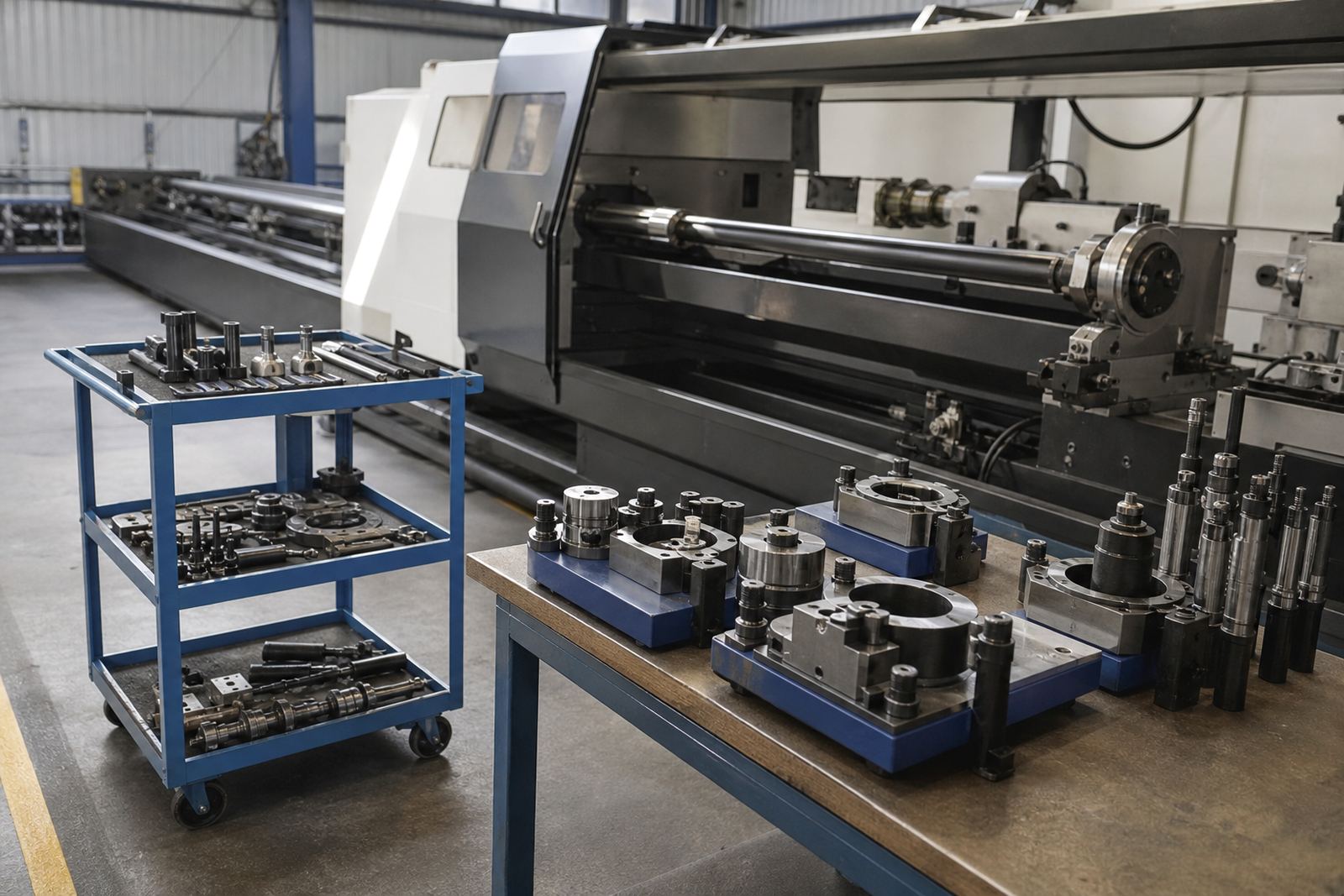
Manifold blocks are not the place to guess with tooling. The cutting tool must suit the material, the hole depth and the way coolant reaches the cutting edge. For deeper passages, chip control becomes just as important as size control. If chips are not evacuated properly, the bore finish suffers and the operator spends more time clearing the hole than cutting it.
We often see shops try to run hydraulic parts with general purpose tools that were never meant for long, straight passages. That can work for simple jobs, but manifold blocks with intersecting channels usually need tooling selection based on the actual geometry. Tooling support also helps when a shop is moving from small batch work to repeat production and wants a steadier result.
- Match the tool to the material grade and hole length
- Use the right guide and support method for deep holes
- Keep spares ready for common wear items
- Review coolant delivery before changing feed or speed
Surface Finish and Cleanliness Matter More Than They Look
Hydraulic systems are unforgiving when burrs or loose swarf are left inside a manifold. Even a small lip at an intersection can trap debris and affect valve response later. Surface finish inside the bore also matters because rough passages can hold contamination and make flushing harder during commissioning.
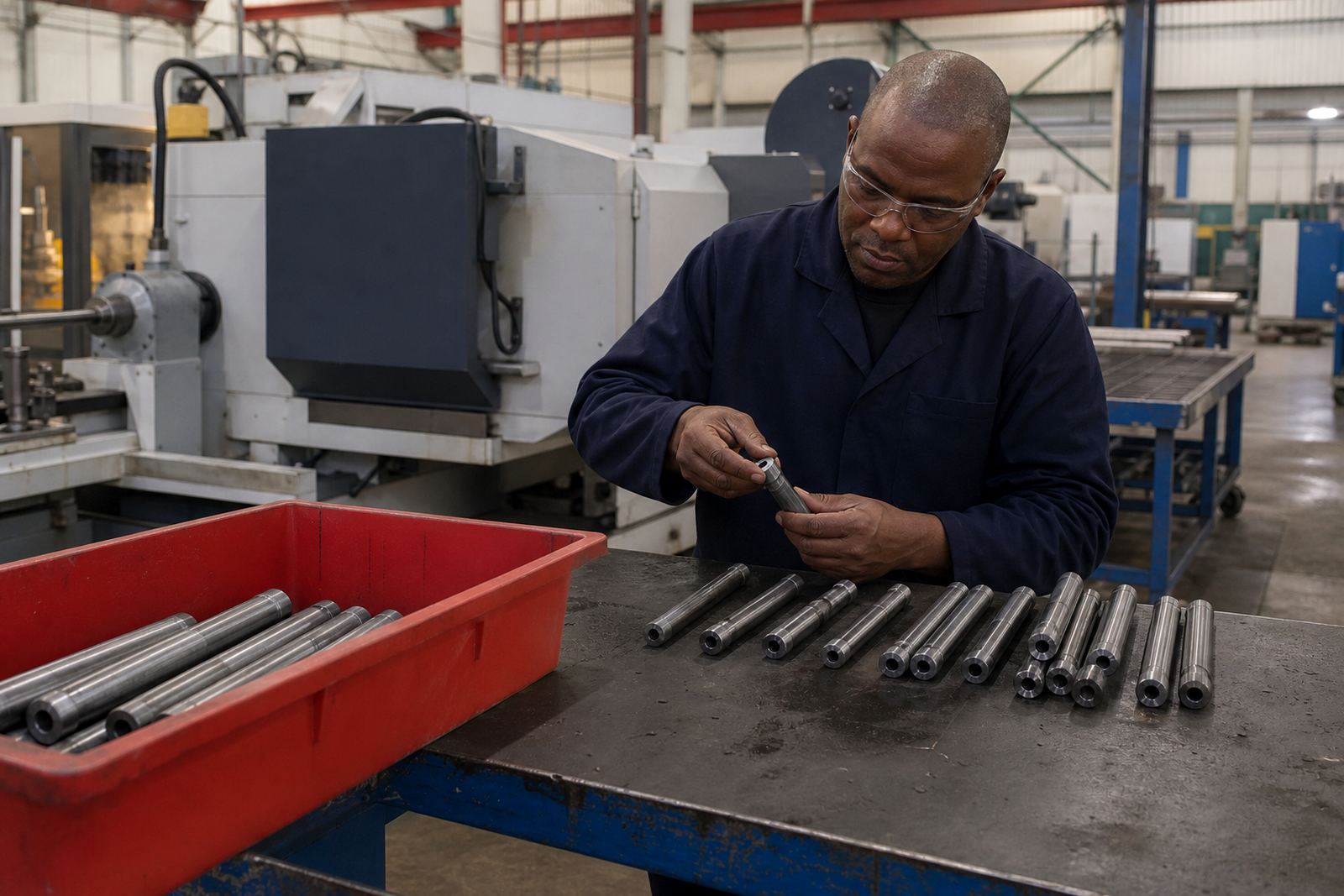
That is why many workshops build in a cleaning and inspection step after machining, not only at the end of the job. If the block is going straight into assembly, the finish inside the passages must be good enough for the next process, not just good enough for the measuring bench. On some jobs a light burr looks harmless, but it can become a service issue once the system is under load.
Local Conditions Change the Way Shops Run These Jobs
In Gauteng, load-shedding and power interruptions can break a deep-hole cycle and affect consistency if the process is not planned properly. Shops that work with hydraulic manifolds need a sensible restart routine, good coolant housekeeping and a way to check the part after an interruption. Coastal humidity in Durban and Gqeberha also means storage, rust prevention and coolant condition need attention.
A Benoni engineering shop once brought in a manifold block with intersecting passages that had been started on another machine. The issue was not only the tooling. The face preparation was uneven and the alignment marks did not match the drawing. After a full setup review, the team could correct the drilling order, protect the sealing faces and get the part back into production without forcing a risky shortcut.
Support That Helps the Job Leave the Floor Cleanly
Good manifold work is not only about the machine. It also depends on commissioning, alignment checks, process troubleshooting and operator training so the team knows what to look for before a fault turns into scrap. For shops across Johannesburg, Pretoria, Durban, Cape Town and Gqeberha, practical support makes it easier to keep production moving and avoid repeat problems on the same part family.
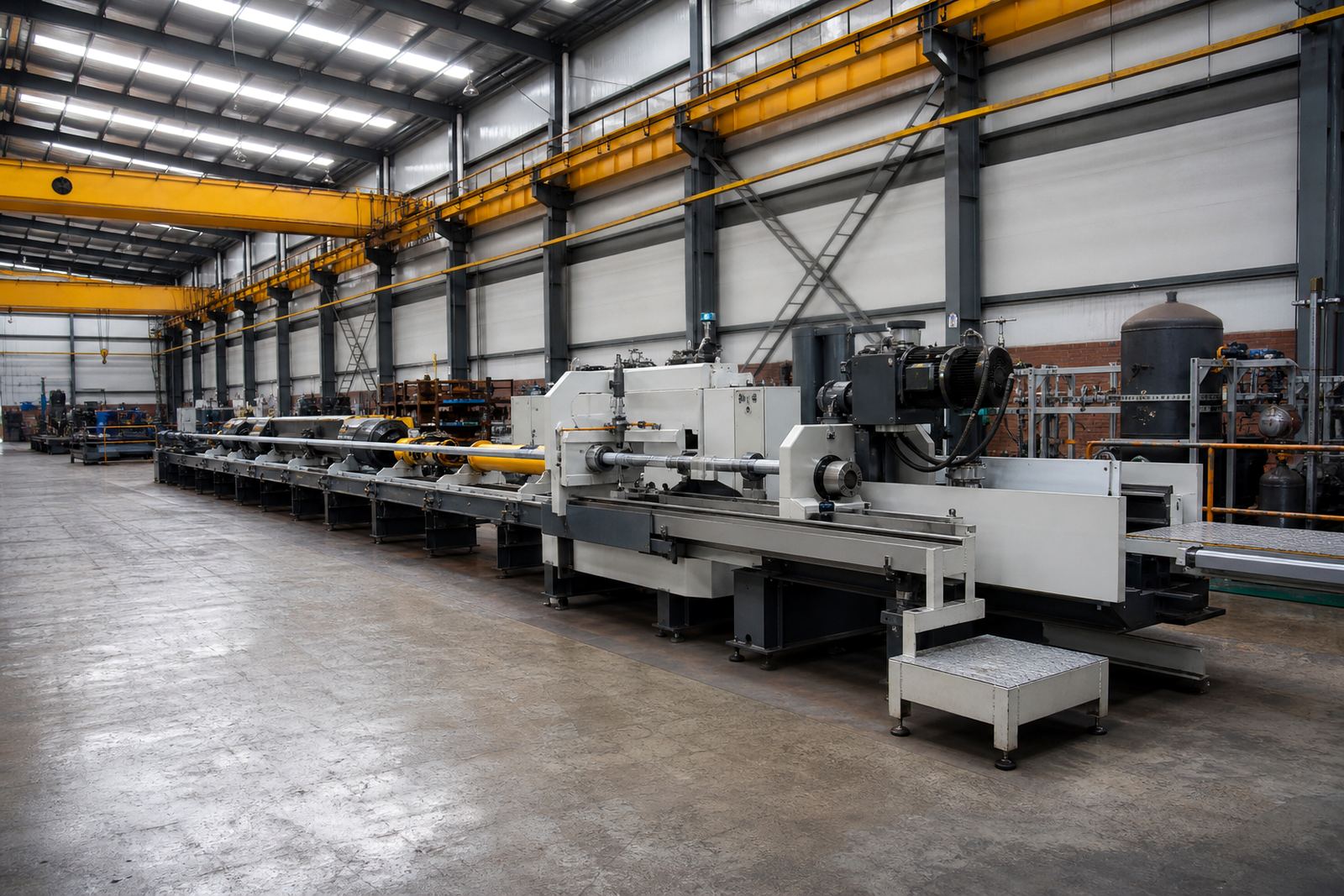
Deephole assists with machine installation, setup optimisation, preventive maintenance, breakdown support, spare parts support and coolant system service for deep-hole work. That matters when a manifold block has several passages to hit in one setup and the job must leave the floor ready for the next operation, not waiting on a fix. If the process is stable, the part quality is easier to keep stable too.
What to Check Before You Release the Drawing
Before a manifold job is released to the shop floor, it is worth confirming a few basic points with the machinist and the person responsible for inspection. This keeps the job practical and avoids surprises once the block is on the machine.
- Are all intersecting passages clearly marked and sequenced?
- Are datum points and clamping faces defined?
- Is the material suitable for the chosen drilling method?
- Is there a cleaning and inspection step after machining?
- Will the machine, tooling and coolant setup handle the full cycle?
These checks sound simple, but they save time on the floor. In manifold work, a clear process is usually better than trying to recover from a bad one.