Start With the Job Flow, Not the Floor Plan
Before you place a gun-drilling or deep-hole boring machine, map the full path of the workpiece from receiving to final inspection. A machine that sits in the wrong spot can slow loading, create crossed traffic and make every shift harder to manage. In many Gauteng workshops the real pressure comes from shared space, so the layout must fit the way the team actually works, not just the dimensions on paper.
Think about where raw material enters, where finished parts leave, and where tooling, measuring gear and consumables will be stored. If the process includes deburring, washing or inspection, those areas should be close enough to reduce handling but far enough to keep chips and coolant away from clean work.
- Keep receiving and dispatch points clear of machine access doors.
- Allow a direct route for forklifts, pallet jacks or trolleys.
- Separate clean inspection space from wet machining areas.
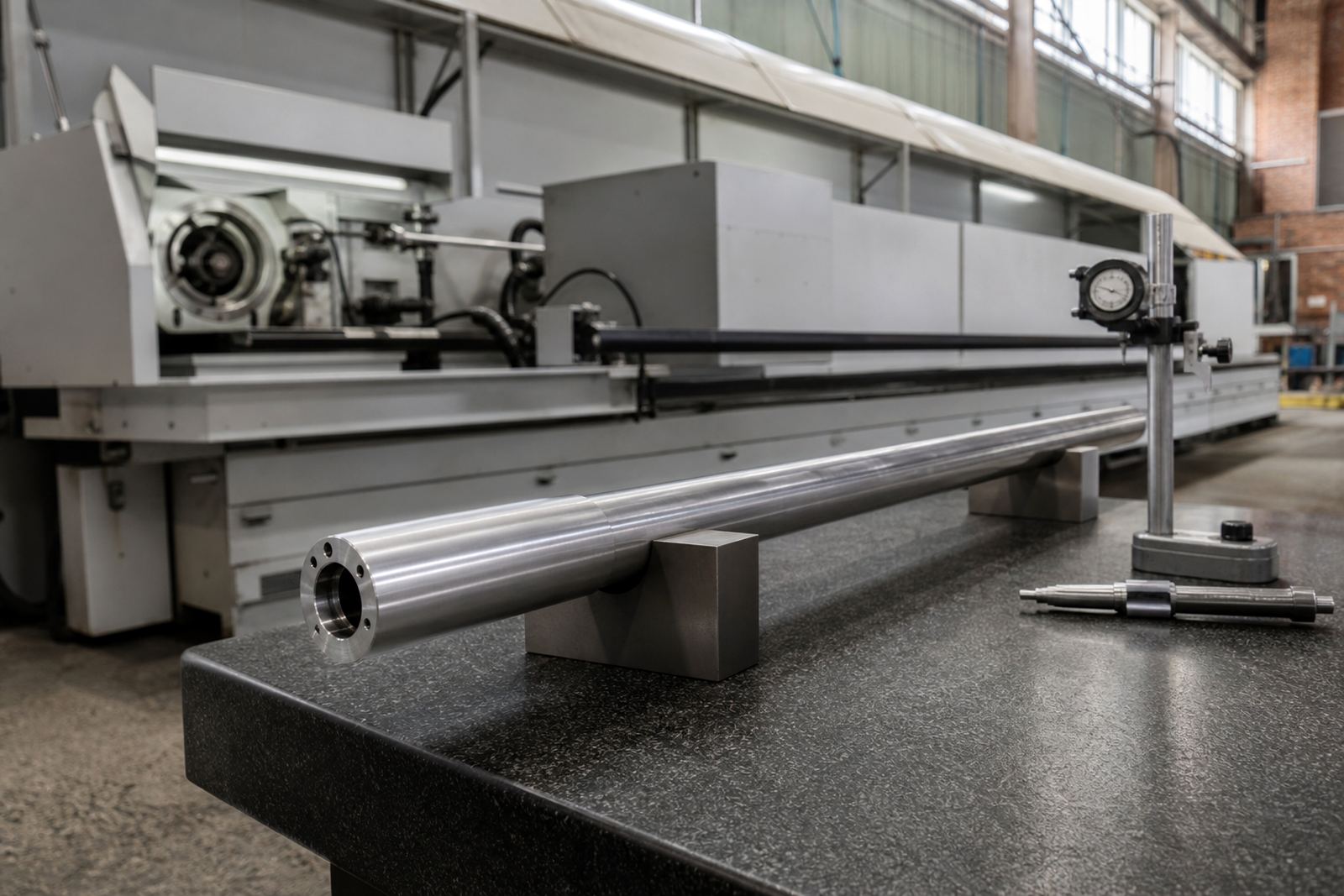
- Plan storage for long bars, guides, sleeves and spare tooling close to the machine.
Allow Enough Space Around the Machine
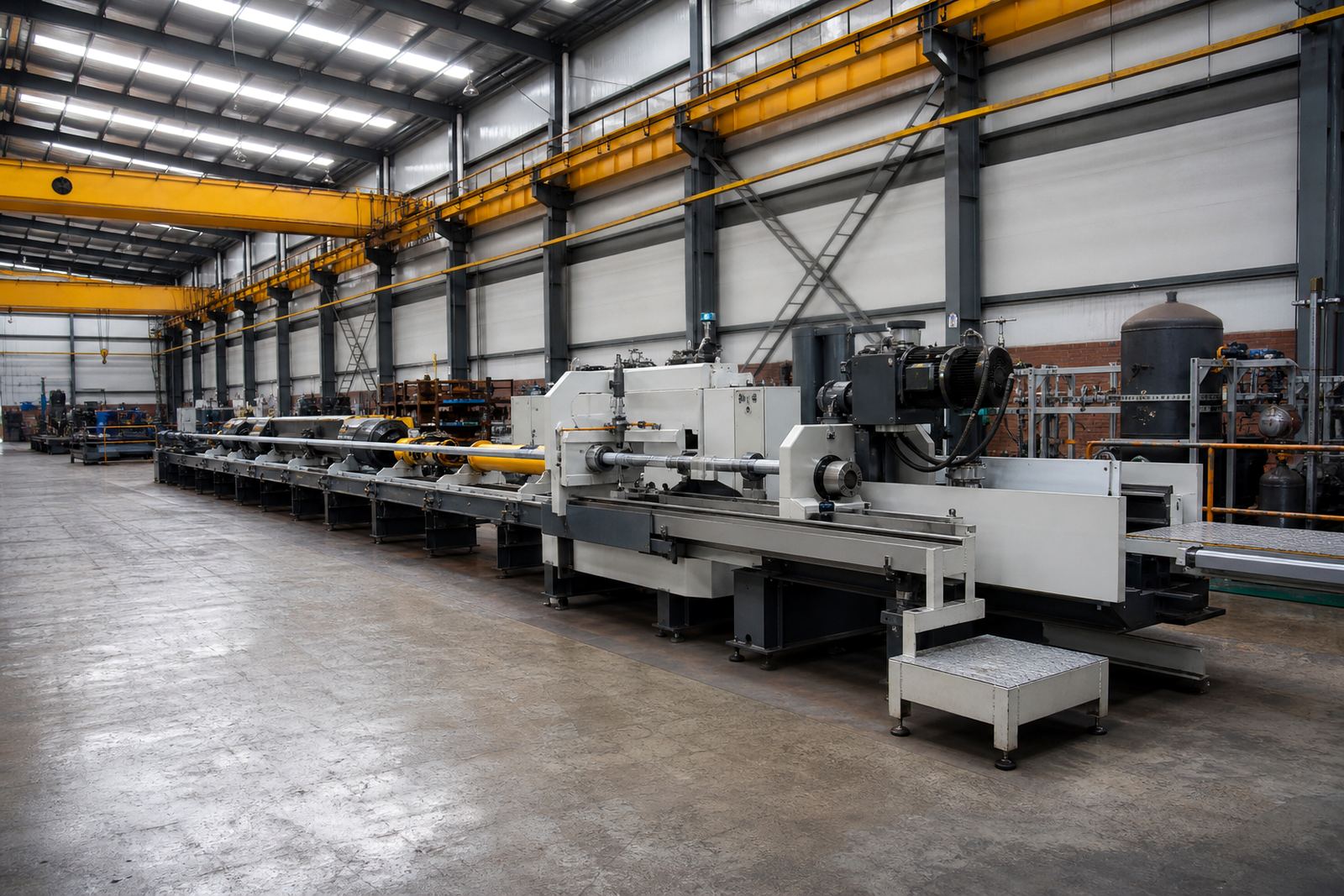
Deep-hole machines need more than the footprint of the frame itself. Operators must reach the front, sides and rear for setup, tool changes, cleaning and checks. Maintenance teams also need room to inspect lines, pumps, electrical panels and coolant systems without moving other equipment out of the way.
Leave practical clearances around the machine, but also check the path for long workpieces and fixtures. A narrow aisle may seem manageable during installation, yet it becomes a problem when a part has to be loaded safely or a technician needs to get in quickly for breakdown support. Even small details like door swing, cable routes and hose bends can affect daily use.
- Measure access width for long material and lifting gear.
- Check that panels and service points open fully.
- Keep enough room for chips to be removed and floors to be cleaned.
- Leave space for future tooling cabinets or inspection benches.
Check Power, Air and Coolant Support Early
Power supply is one of the first things to confirm, especially in areas affected by load-shedding or where a workshop shares supply with other plant equipment. A deep-hole machine is only as reliable as the support around it, so layout planning should include the electrical point, backup arrangements where required and a safe path for cables. If your site has voltage dips or interruptions, the machine position should allow neat connection to the protection and control equipment used on site.
Coolant handling is just as important. The machine area should have a practical route for filling, filtration and maintenance, plus enough drainage or containment to manage spills. In coastal towns like Durban and Gqeberha, humidity and salt air can affect storage, so tooling and spares need a dry, organised area nearby. A layout that keeps coolant lines short and service access easy will save time during production startup and future maintenance.
- Confirm electrical access before the machine arrives on site.
- Plan for coolant filling, cleaning and waste handling.
- Keep sensitive tooling stored away from moisture and dust.
- Allow access for maintenance without shutting down the whole bay.
Put Alignment and Foundation Checks Into the Layout Plan
Deep-hole work depends on accuracy, so the floor and foundation matter. Uneven slabs, vibration from nearby presses or poor machine positioning can make alignment checks harder and affect repeatability. A workshop in Pretoria may have very different conditions from a coastal or inner-city site, but the principle is the same: the machine should sit on a stable area with enough room for levelling, checking and future adjustments.
When planning the layout, ask where nearby machines run and whether heavy traffic passes close by. If a crane, press or cutting machine creates vibration, keep the deep-hole machine at a sensible distance. Also consider sunlight, airflow and dust. Direct heat or constant grit can make setup more difficult and increase cleaning time. A well planned position helps during installation, commissioning and later process troubleshooting.
For a new production area, it helps to mark out the proposed machine zone with floor tape or chalk before final placement. That simple step often shows where the real bottlenecks are. A clearance that looked fine on a drawing may become too tight once operators, trolleys and tool cabinets are added.
Design for Tooling, Support and Training Access
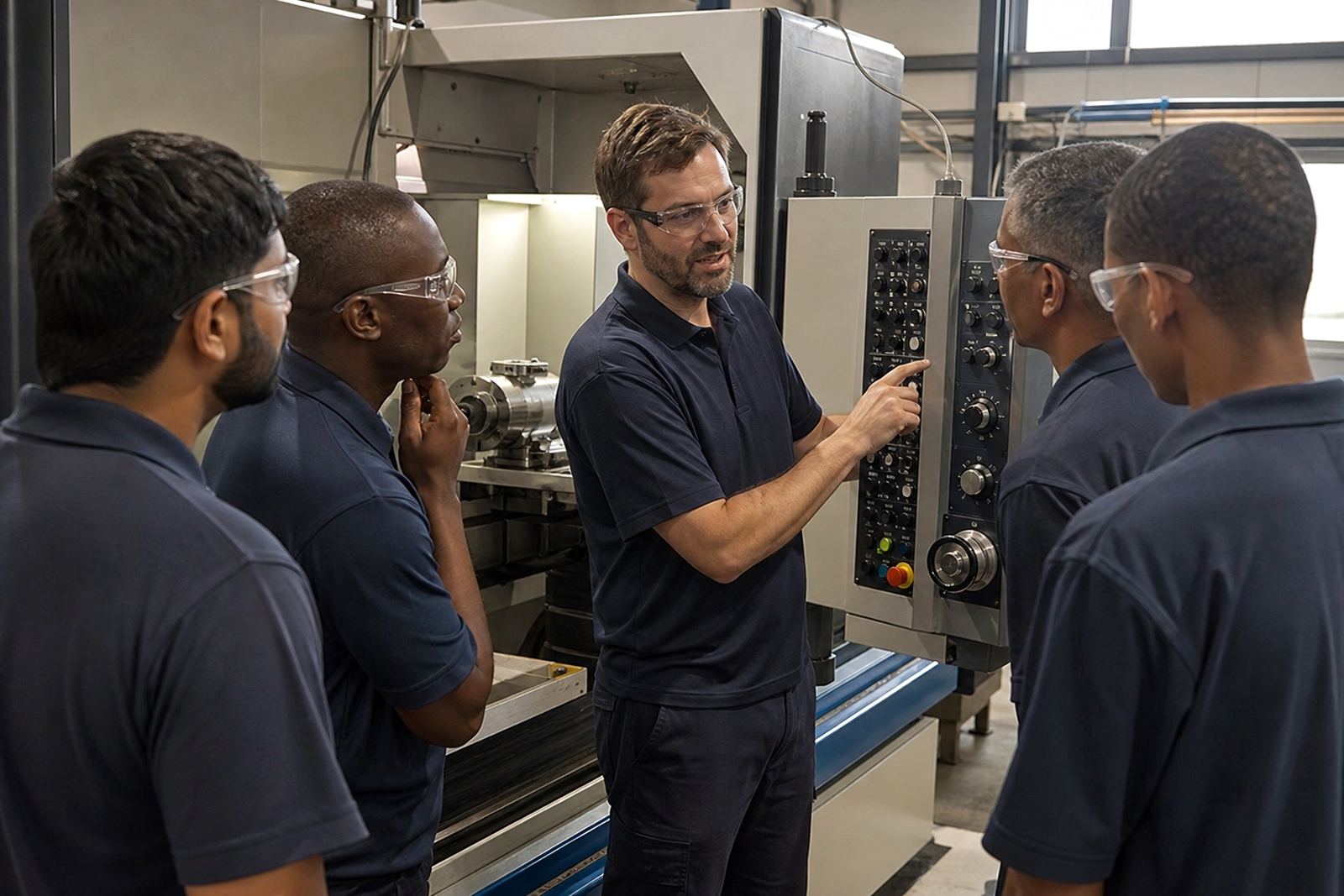
Machine layout is not only about the machine itself. It should also support tooling selection, operator training and quick problem solving on the shop floor. A setup area close to the machine makes it easier to prepare tools, set depths and check components before production starts. This is especially useful when a team is still building experience with deep-hole drilling or boring processes.
For shops in Benoni and the East Rand, a practical layout can cut down on walking time and keep shifts moving. Place the most frequently used tooling and gauges within easy reach, but not where chips or coolant will damage them. If the machine will be used for a range of part sizes, allow space for fixtures, change parts and marked storage positions. The aim is a layout that supports the work instead of getting in the way.
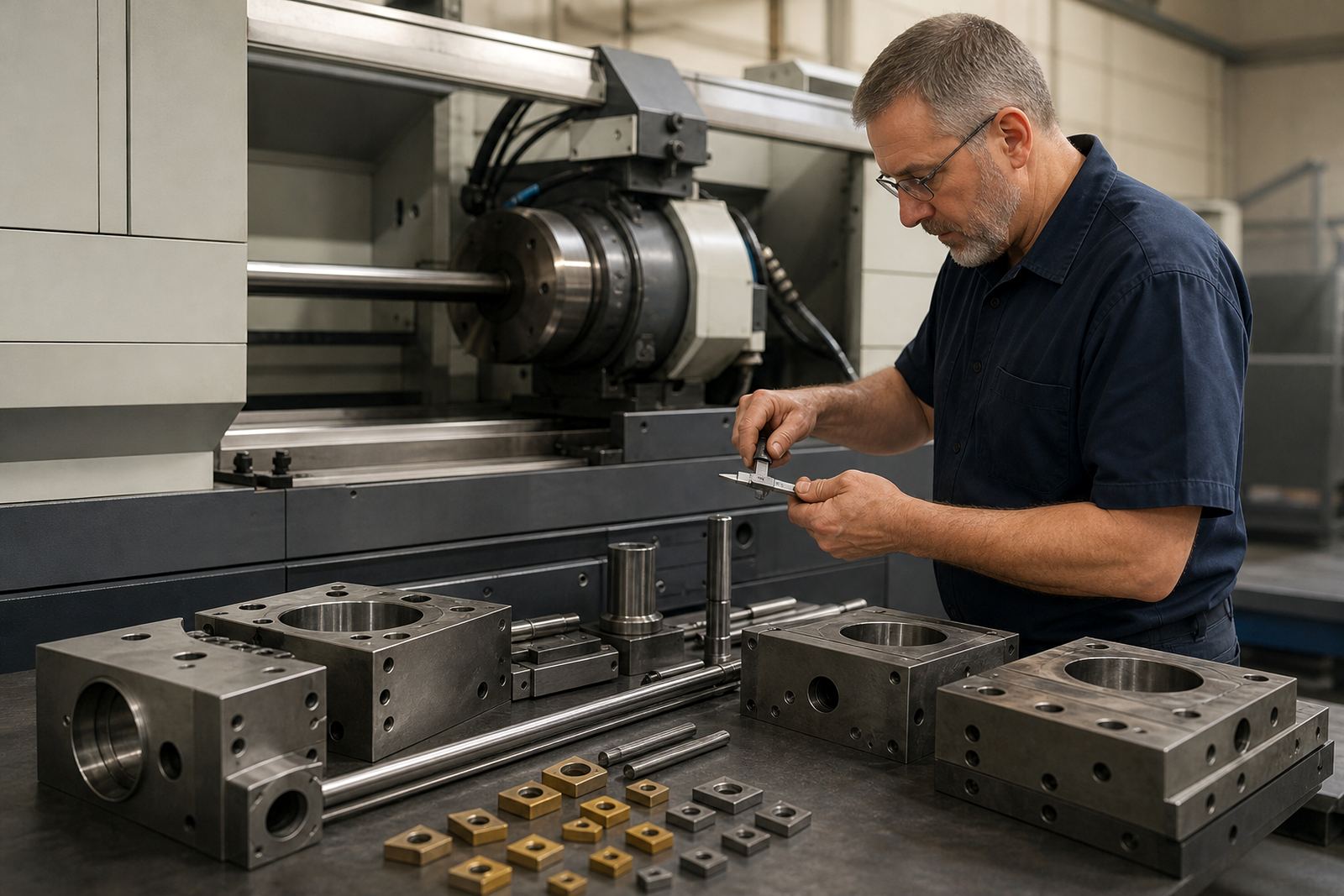
- Keep setup tooling close to the machine but protected from contamination.
- Provide a clear space for training and operator handover.
- Store gauges and measurement tools in a dry, fixed location.
- Plan a small area for process notes, job cards and checks.
Local Example: A Benoni Shop Planning for Growth
A typical Benoni engineering shop may start with one deep-hole machine and later add more capacity as demand grows. If the first machine is placed too close to the wall, or too near a busy finishing area, the shop can quickly run out of room for tooling, maintenance and safe movement. A better plan is to set aside a defined bay with access on three sides, a clear path for material and a nearby area for support tasks.
That kind of layout also makes future expansion easier. When the team needs preventive maintenance, breakdown support or a coolant system service, there is space to work without stopping the rest of production. For smaller shops, this can make the difference between staying on schedule and losing a day to avoidable congestion. Good layout planning pays off every time a job changes, a new operator starts, or a quick check is needed before the next batch runs.
Deephole works with manufacturers and engineering shops across South Africa from the Benoni base, supporting machine installation, commissioning, setup optimisation and training. The right layout makes those services more effective from the first day of use.
What to Confirm Before Installation Day
Before a deep-hole machine is delivered, go through the site one more time. Measure access routes, confirm power points, check the floor condition and make sure the support team knows where the machine will sit. A short walk through the workshop with all the key people often catches details that drawings miss. It also helps avoid delays when the machine arrives and the schedule is already tight.
- Floor condition and level in the chosen bay.
- Access for delivery, unloading and final positioning.
- Electrical, coolant and drainage requirements.
- Space for tooling, training and maintenance work.
- Clear responsibility for commissioning and startup tasks.
If the layout is planned properly, the machine becomes easier to run, easier to maintain and easier to grow around. That is the point of good workshop planning: fewer disruptions, better control and a setup that supports production instead of slowing it down.