
Start With A Clean Setup Before The First Hole
Safety on a drilling machine begins before the spindle starts. The work area should be clear of offcuts, loose spanners, rags and packaging so the operator is not stepping around hazards while loading material or checking alignment. On busy floors in Benoni or Johannesburg, it is easy for a short delay to turn into a rushed setup, and that is when small mistakes creep in.
Every job should be checked for clamp security, correct part location and tool condition before production starts. If the material shifts during drilling, the risk rises quickly because the tool is long, the cut is deep and the operator may be tempted to correct the issue while the machine is still in motion.
Keep Hands Clear Of The Cutting Zone
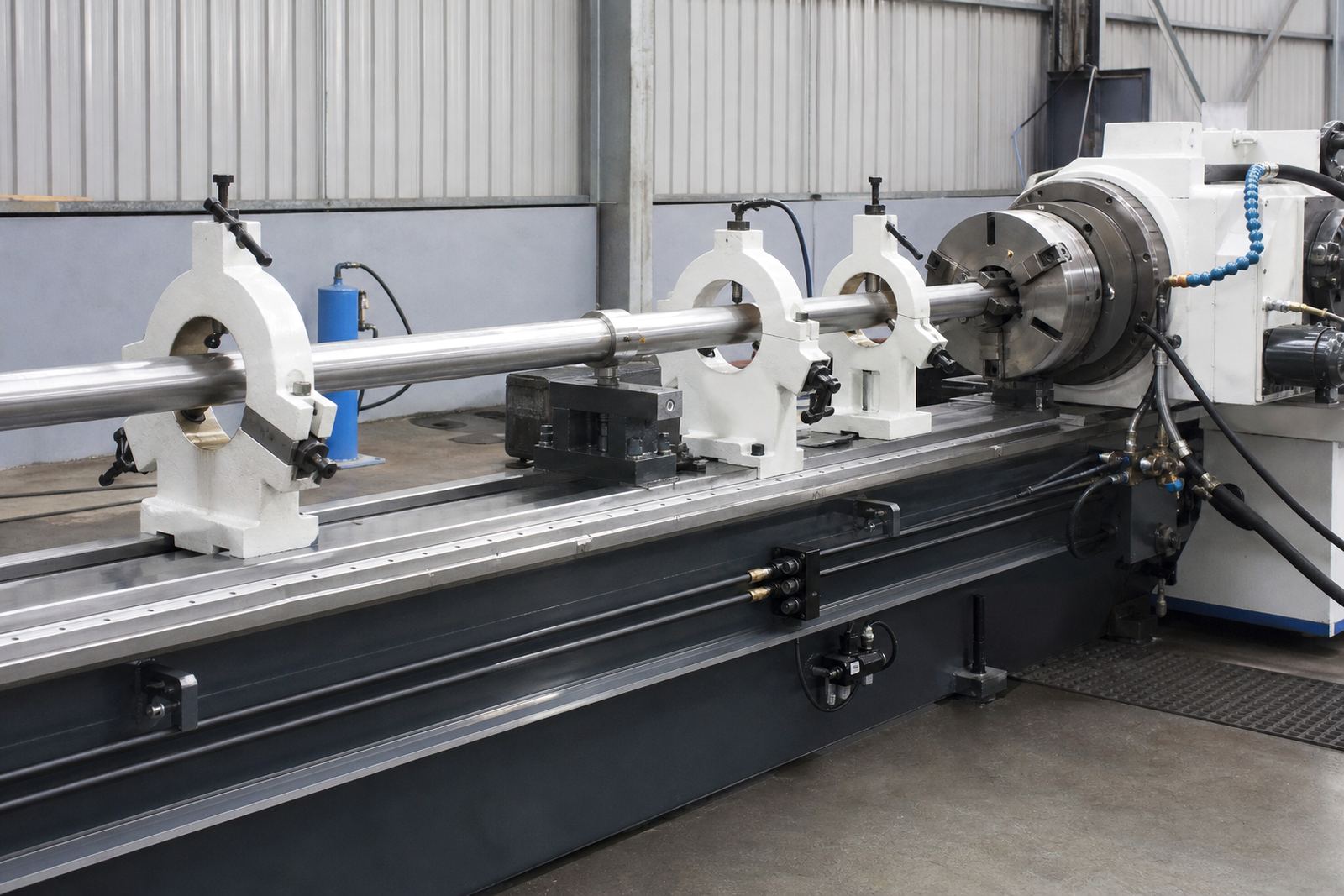
Gun-drilling and deep-hole boring machines can look stable from a distance, but the moving parts near the headstock, tool path and clamping area need proper respect. Operators should never reach into the machine to clear swarf or adjust a part until the machine is fully stopped and isolated where required.
Good practice is to use tools, brushes and chip removal methods that keep hands away from the cutting zone. If a part needs attention during a cycle, stop the machine first and wait for all movement to finish. It sounds basic, but this is one of the most important habits in any workshop.
- Never bypass guards or interlocks
- Use the correct loading method for the part size
- Do not wear loose clothing, jewellery or gloves near rotating parts
- Keep sleeves, hair and lanyards secured
Treat Coolant As Part Of The Safety System
Coolant is not only there for cutting performance. It also helps manage heat, chip evacuation and tool life, which affects how safely the machine runs over a shift. If coolant flow is weak, dirty or poorly aimed, chips can build up and the tool may start behaving unpredictably. That can lead to poor finish, blocked passages and unnecessary handling around the machine.
Operators should check the coolant system regularly for leaks, low level, contamination and blocked lines. In coastal areas such as Durban and Gqeberha humidity can add another layer of maintenance pressure, while in Gauteng load-shedding can interrupt routine checks and restart procedures. After any interruption, the coolant system and work area should be inspected again before production resumes.
Watch The Swarf And The Long Tool Path
Deep-hole work produces swarf that must be managed properly. If chips are not clearing as intended, the operator may see chatter, heat build-up or a changing sound from the machine. Those signs should never be ignored. A sudden change in sound often means the process needs attention before damage or an unsafe condition develops.
The long tool path also means the operator must stay alert to what happens along the full length of the hole, not just at the entry point. A part can look fine at the start and still develop a problem deeper in the cycle. That is why operators should keep checking feed behaviour, cutting sound and coolant return during the job.
- Look for swarf returning in an even pattern
- Stop and inspect if the sound changes suddenly
- Do not force the feed to push through a blockage
- Keep chip trays and surrounding floors clear
Training And Handover Reduce Workshop Risk
Many safety issues come down to training. An operator who understands the machine, the tooling and the process is far less likely to improvise under pressure. Clear handover notes also matter, especially in shops running shifts or sharing equipment between teams. A missing note about a tool change or setup adjustment can create a chain of avoidable problems.
Practical training should cover machine start-up, shut-down, tool handling, coolant checks, emergency stops and what to do when a process drifts out of tolerance. If the team is unsure, it is better to stop and ask than to push on with a process that does not look right. That is how a small issue becomes downtime.
Protect The Machine During Maintenance And Downtime
Safety does not end when production stops. Preventive maintenance, alignment checks and breakdown support all need controlled access to the machine. Before anyone reaches into service areas, the machine should be isolated and the work area made safe. This is especially important where maintenance is done between shifts or during short shutdown windows, because people often work faster than they should.
A planned maintenance routine helps reduce risk and supports steady production. It should include checks on guarding, fasteners, coolant condition, tool condition and any wear that could affect stability. In local factories around the East Rand, where production schedules are tight, this kind of discipline saves time later and keeps the workshop safer for everyone.
A Practical Benoni Example For Daily Work
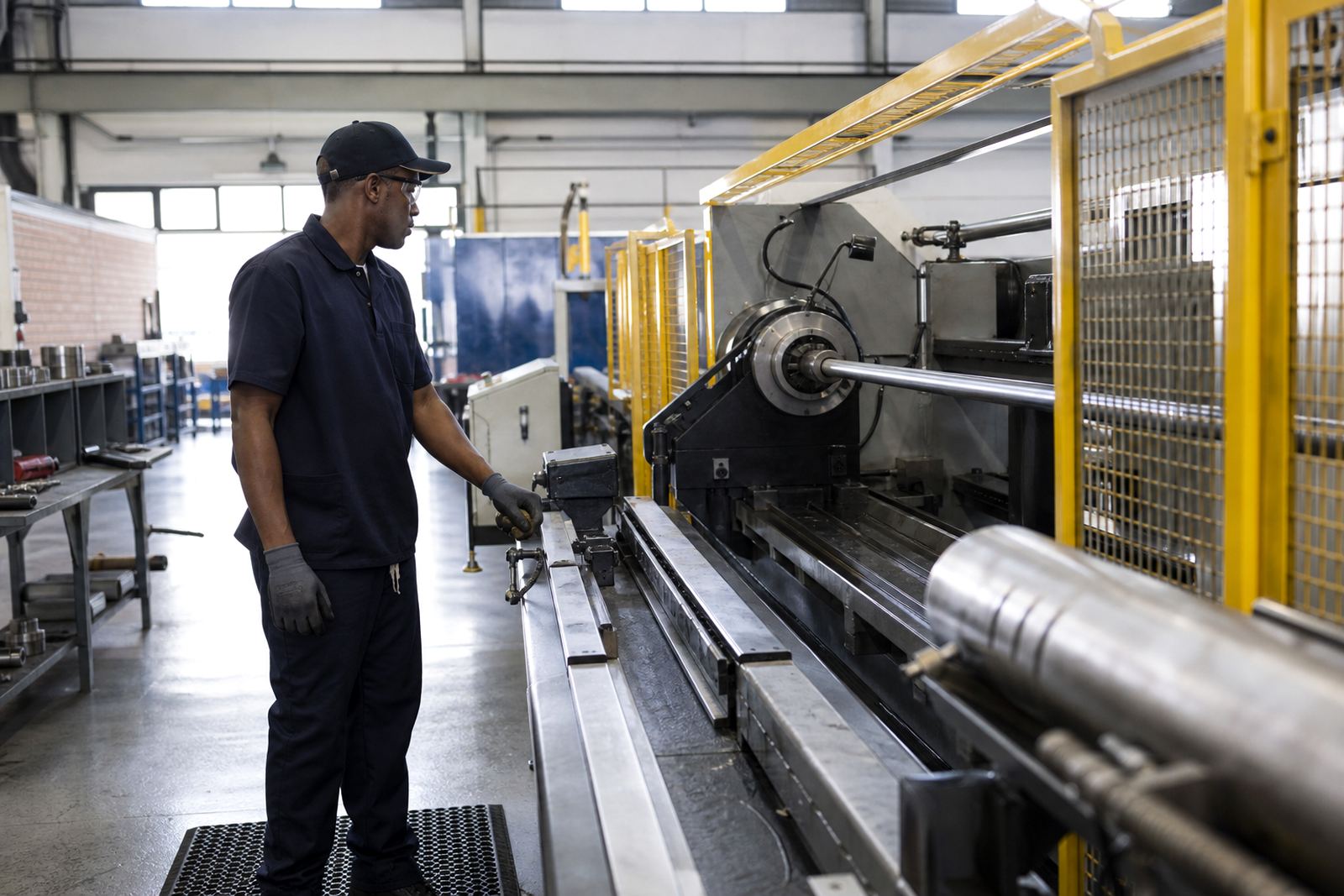
In a Benoni engineering shop, a supervisor may need to move from machine to machine while operators keep production going. In that setting, safety depends on simple habits repeated every shift: confirm the setup, keep the floor clear, check coolant, and make sure no one reaches into the machine while it is still running. Those habits matter just as much as the machine itself.
Deephole supports manufacturers and engineering shops across South Africa with machine installation, commissioning, tooling selection, setup optimisation, operator training, process troubleshooting, preventive maintenance, breakdown support, spare parts support, coolant system service, alignment checks and production startup. When the machine is set correctly and the team knows what to watch for, safety becomes part of the process rather than an afterthought.