Training Turns Good Equipment Into Repeatable Output
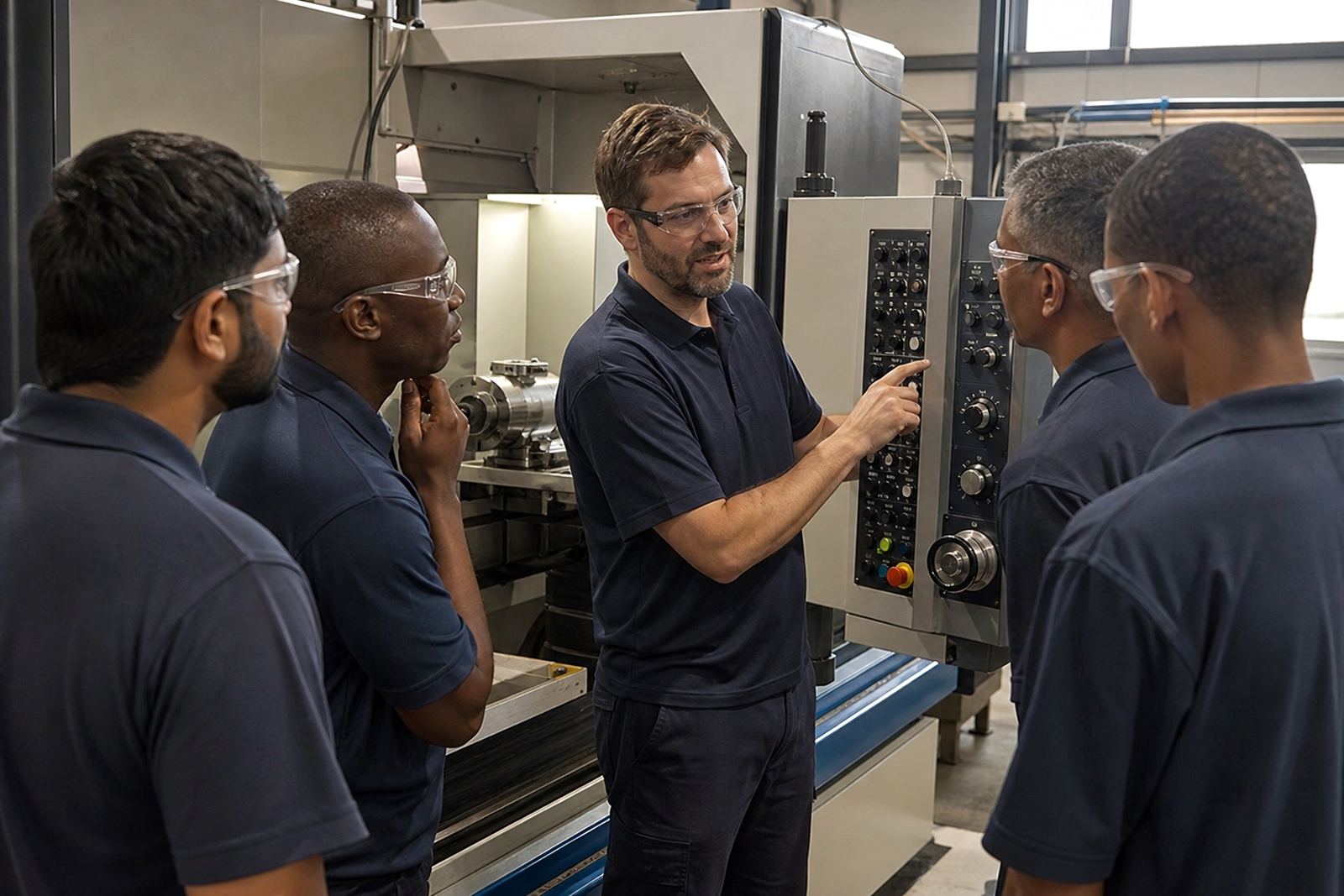
Gun-drilling and deep-hole boring demand more than basic machine operation. When an operator understands feed rates, alignment, coolant behaviour and tool condition, the job becomes repeatable instead of uncertain. That matters in a Benoni workshop just as much as it does in a Cape Town or Durban production cell, because every shift has to deliver the same hole quality, the same surface finish and the same part length.
Training helps a team move from reacting to problems to preventing them. It also reduces the guesswork that often leads to broken drills, poor chip evacuation or unnecessary machine stoppages. In practice, that means fewer rejected parts and less time spent correcting work that should have been right first time.
What Operators Need To Know Before The First Run
Before a production run starts, the operator should understand the setup, the tooling and the material being machined. Deep-hole work is sensitive to small errors. A workpiece clamped slightly out of line, coolant pressure set poorly or a tool not checked properly can affect the full length of the hole. That is why setup training is as important as running the machine.
- Reading the job sheet and confirming hole depth, diameter and material
- Checking workholding, centre alignment and part support
- Confirming tooling condition and correct insert or drill selection
- Setting coolant flow, filtration and chip removal correctly
- Monitoring sound, finish and pressure changes during the cut
These habits are not complicated, but they need to be taught clearly and repeated until they become standard practice. A setter who knows what normal looks like will catch a problem long before production drifts off course.
Setter Training Protects Accuracy And Machine Life
Setters carry a lot of responsibility in deep-hole work. They prepare the machine, load the correct tools and make sure the process starts cleanly. If the initial setup is wrong, the machine may still run but the output will suffer. The bore can wander, the surface can score, or the cycle can become unstable. Good training reduces that risk and helps protect expensive tooling as well as the machine itself.
In South African workshops, this matters when power interruptions, shift changes and tight delivery dates all put pressure on the floor. A trained setter knows what to check after a restart, how to verify alignment and when to stop and ask for support instead of pushing through a doubtful setup. That discipline saves time, materials and wear on the machine.
Troubleshooting Skills Lower Downtime On The Floor
Even a well-run process will occasionally drift. Coolant may foam, chips may start to pack, or finish quality may change part way through a job. Operators and setters who have received proper training can recognise these warning signs early. They do not need to wait for a full breakdown before taking action.
- Spotting tool wear before it causes drift in bore quality
- Identifying coolant issues that affect chip evacuation
- Recognising vibration, chatter or unusual load on the machine
- Knowing when to pause production and request support
This kind of response is especially useful when a shop is working under load-shedding schedules or trying to recover output after a stopped machine. A trained team can restart with more confidence and less waste.
A Local Example From A Busy East Rand Workshop
Think of a machining shop in Benoni supplying components to customers across Gauteng. The team may run long parts one day and shorter batches the next, with different materials and changing deadlines. Without structured training, each operator can end up using their own method, which makes results inconsistent from shift to shift. One person may push a setup too hard, another may be too cautious, and the process becomes difficult to control.
After focused training on setup, tool selection and routine checks, the same shop can standardise how jobs are loaded, monitored and completed. The result is not just better holes, but better handover between shifts and fewer surprises during production. That kind of improvement is practical, not theoretical, and it shows up in the order book and on the floor.
Training Works Best When It Is Built Into Support
Training should not be a once-off event. As machines, tooling and production demands change, teams need refreshers and practical support. That is why installation, commissioning and training should work together. When a machine is commissioned properly and the team is shown how to run it, the process starts on the right footing. Later, preventive maintenance, alignment checks and process troubleshooting keep that standard in place.
At Deephole, support is built around the realities of South African production. That includes machine installation, commissioning, tooling selection, setup optimisation, operator training, breakdown support, spare parts support and coolant system service. When the people on the floor are trained well, they use that support more effectively and keep production steadier over time.
What A Well-Trained Team Usually Delivers
When operators and setters are trained properly, the difference is visible in daily work. Jobs start cleaner, adjustment time drops and the machine spends more time making parts instead of being corrected. The team also gains confidence, which matters when production is busy and there is little room for trial and error.
- More consistent hole depth and bore quality
- Better tool life and fewer premature failures
- Faster changeovers and cleaner production starts
- Less scrap, less rework and fewer avoidable stoppages
For manufacturers and engineering shops across Johannesburg, Pretoria, Durban, Cape Town and Gqeberha, training is not an extra. It is part of the process that keeps deep-hole work under control.