Why batch size changes the machine decision
A production shop is usually working on repeat parts, steady schedules and a fixed routing pattern. A jobbing shop is more likely to switch between diameters, materials and component lengths from one week to the next. That difference shapes the whole decision around gun-drilling and deep-hole boring. In production work, repeatability and cycle control carry more weight. In mixed-batch work, flexibility, fast setup and dependable support matter just as much as spindle capacity or table size.
In Benoni and across the East Rand, many workshops are handling both kinds of work at once. One machine may be feeding a regular order for shafts or hydraulic components, while the next job is a short run of repair parts. That is where the choice between dedicated production equipment and a more adaptable setup becomes practical, not theoretical.
What production shops normally need first
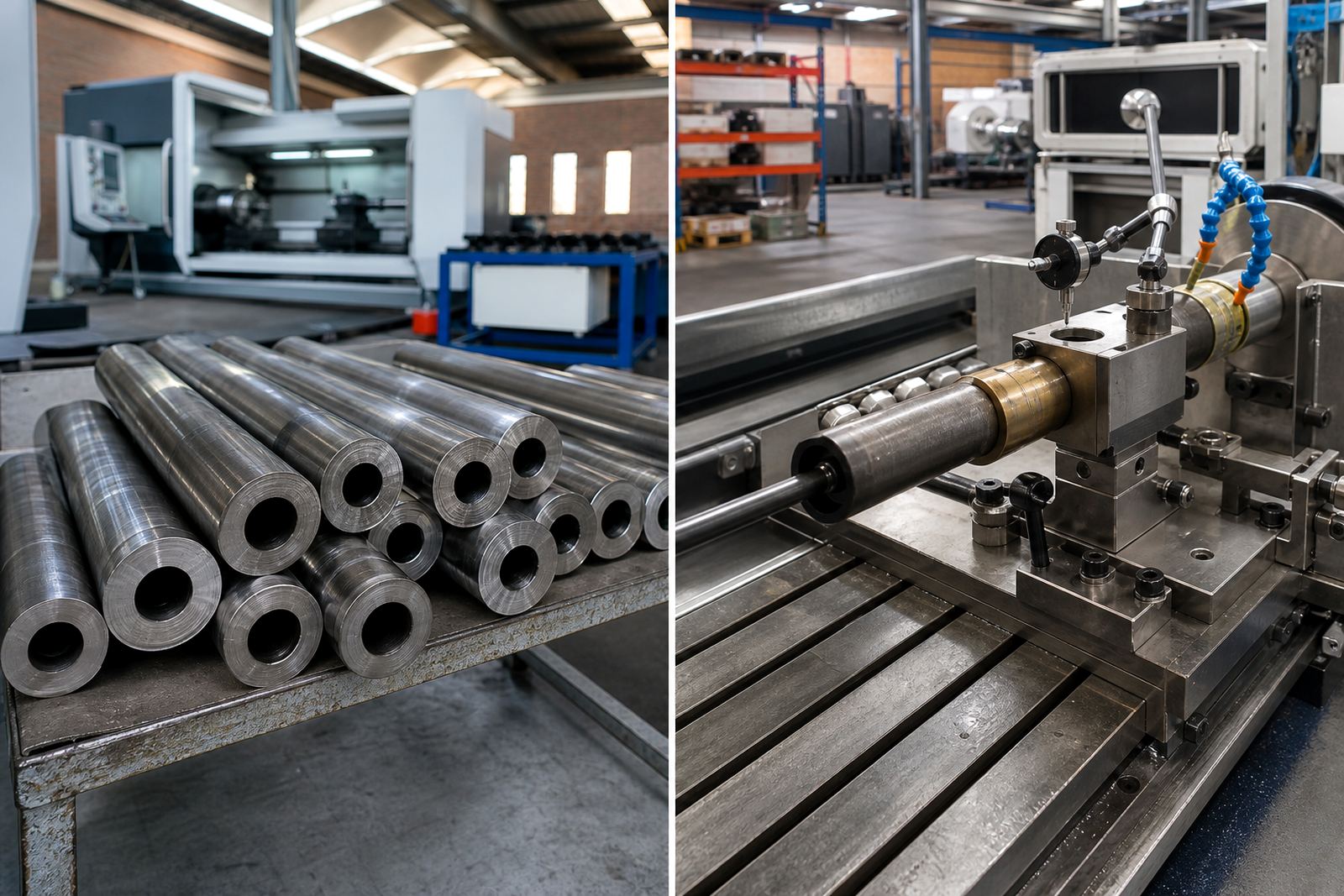
When a shop is making the same part again and again, the machine has to hold the process steady with as little variation as possible. The focus is usually on consistent alignment, stable coolant delivery, controlled tool life and simple repeatability for the operator. The tooling choice also leans toward long-running tools that can stay in cut for extended periods with fewer interruptions.
- Shorter set-up times between production batches
- Stable alignment for repeatable bore quality
- Tooling that lasts through long runs
- Clear process notes for operators on different shifts
- Preventive maintenance that fits a planned production calendar
For a production shop, it is often worth spending more time on the initial setup. Once the process is set, the value comes back in reduced downtime and more predictable output. Load-shedding adds another layer here, because a shop that runs on a strict production schedule needs a plan for safe restart, cooling system checks and machine recovery after a power interruption.
How jobbing shops stay flexible without losing accuracy
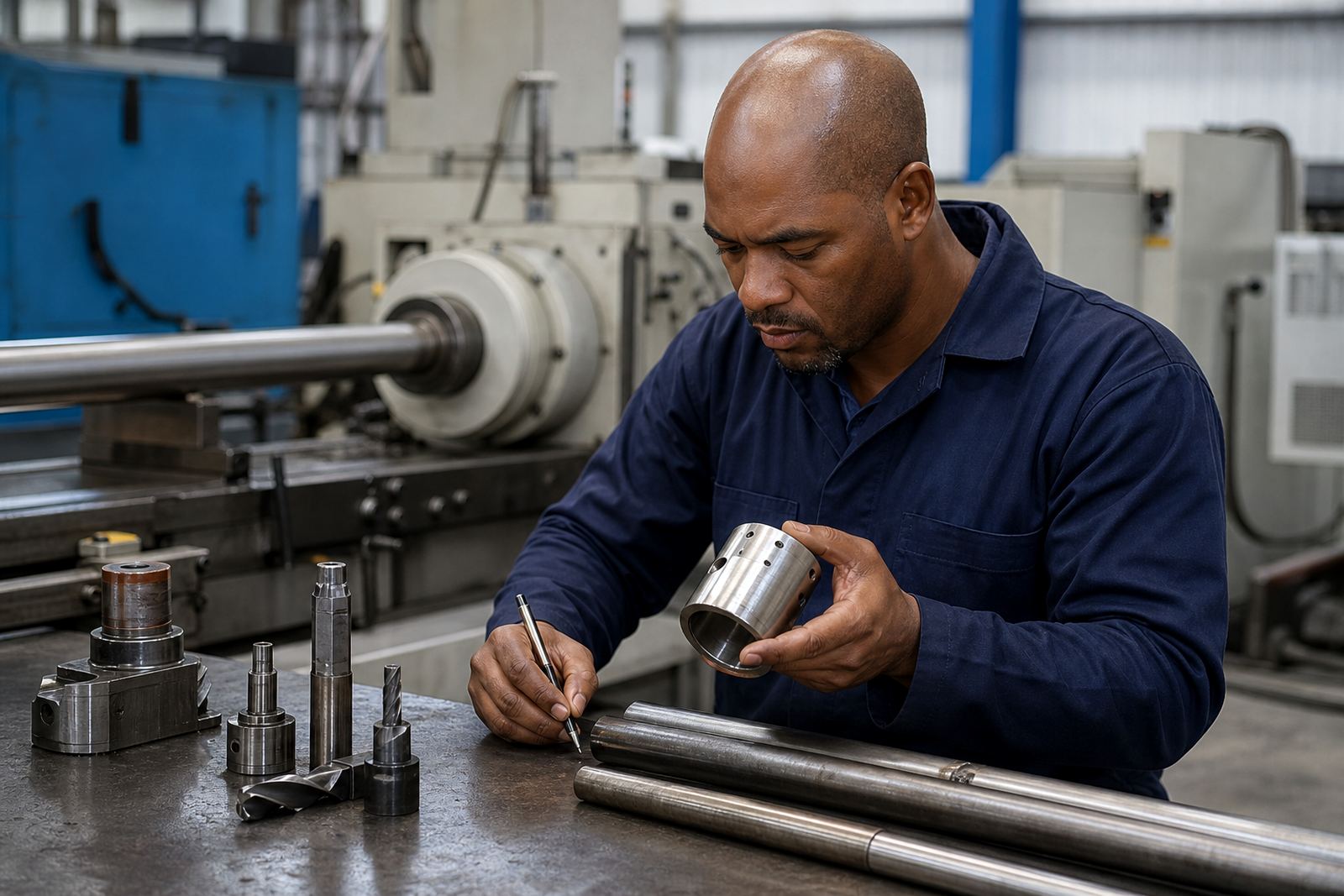
Jobbing shops do not have the luxury of one fixed process. They need machines and tooling that can be changed over without turning every new job into a long delay. That means the machine should be practical to set up, easy to align and supported by tooling options that cover a wider range of workpieces and materials.
In this environment, the operator and setter matter as much as the machine itself. A shop that handles stainless one day and mild steel the next needs clear setup habits, good tool selection and a way to troubleshoot quickly if the bore finish starts to drift. Even a small alignment issue can cost time when the next job is already waiting on the bench.
- Quick changeover between different job sizes
- Tooling options for mixed materials and bore depths
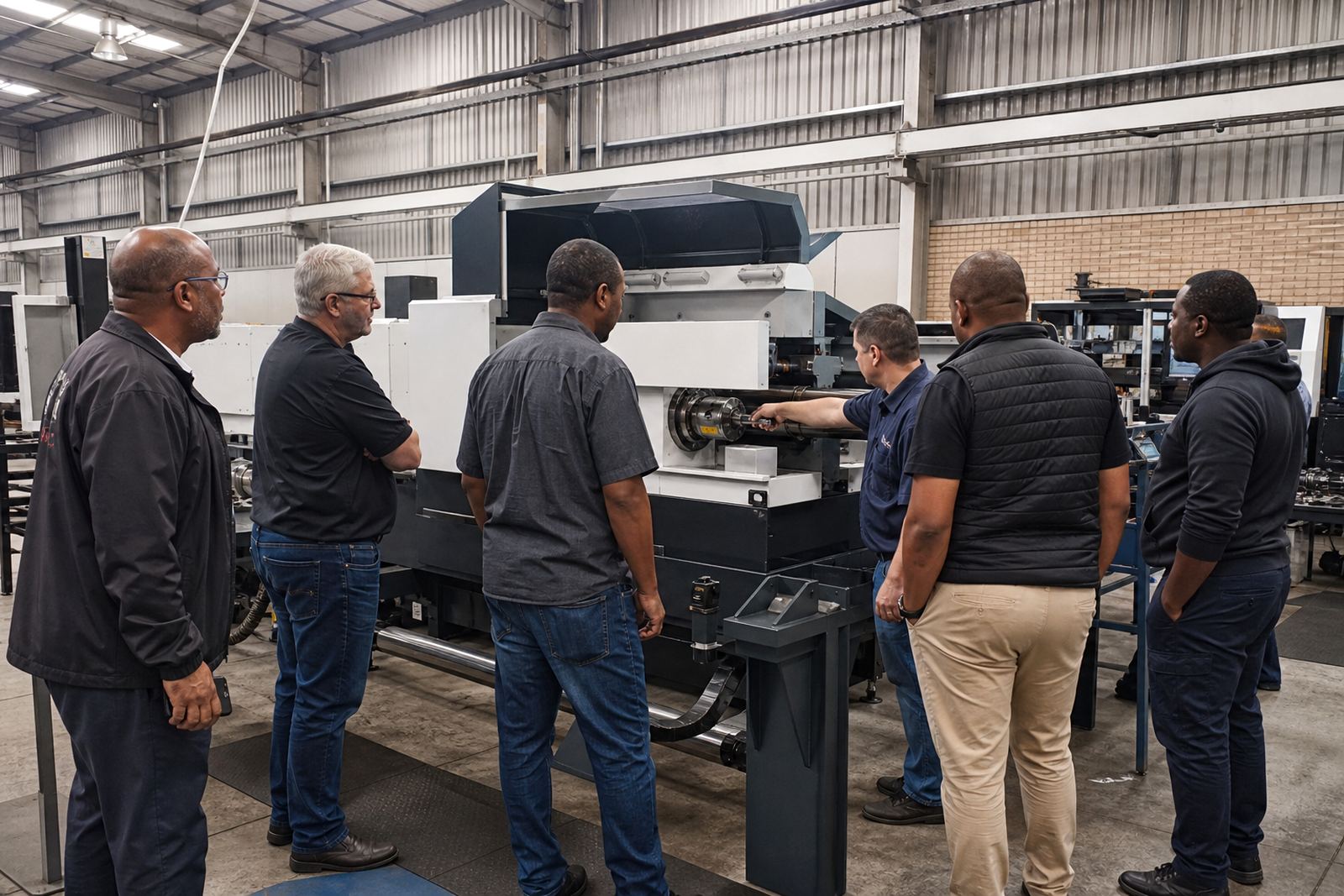
- Easy access to setup support and operator training
- Practical process notes for repeat short runs
- Fast breakdown support when a job must still ship
That is why jobbing shops often value application support as much as the machine itself. A sensible setup can save hours over a month, especially when the team is handling one-off work for customers in Johannesburg, Pretoria or Durban who expect turnaround to stay tight.
Tooling choices: one size does not fit every shop
Tooling should be matched to the kind of work coming through the shop floor. A production environment may use a narrower tooling strategy to keep changeovers simple and keep consumables predictable. A jobbing shop usually needs a broader tooling cupboard so it can respond to different diameters, hole depths and materials without waiting for special parts.
Support around tooling selection is often where the practical gains start. Choosing the wrong tool for the material can lead to poor chip control, heat build-up or unnecessary wear. In deep-hole work, that can become expensive quickly. A proper tooling review should look at the part drawing, the material, the coolant plan and the operator skill level, not just the hole size.
- Match tooling to material and bore depth
- Check coolant flow and chip evacuation before production starts
- Keep spare tooling ready for urgent job changes
- Record which setups work best for repeat orders
Setup and commissioning make the real difference
Whether the shop is production driven or jobbing focused, setup quality decides how well the machine earns its keep. Machine installation, commissioning and alignment checks should be treated as part of the process, not as admin after the delivery truck leaves. If the bore is out by a small amount at start-up, that mistake can grow through the job.
Production shops usually want a confirmed process before full release to the floor. Jobbing shops need a commissioning approach that gives them room to switch jobs confidently. In both cases, the first pieces should tell the truth. That is the point where process troubleshooting, coolant system service and production startup support save time and prevent rework.
A workshop in Pretoria may be running through a new contract while the municipality is doing scheduled maintenance and the power is not always stable. In that case, the team needs a restart routine that checks alignment, coolant condition and tool condition before the spindle goes back into service. Small routines like that keep the machine ready for the next shift.
Local support matters when the schedule is tight
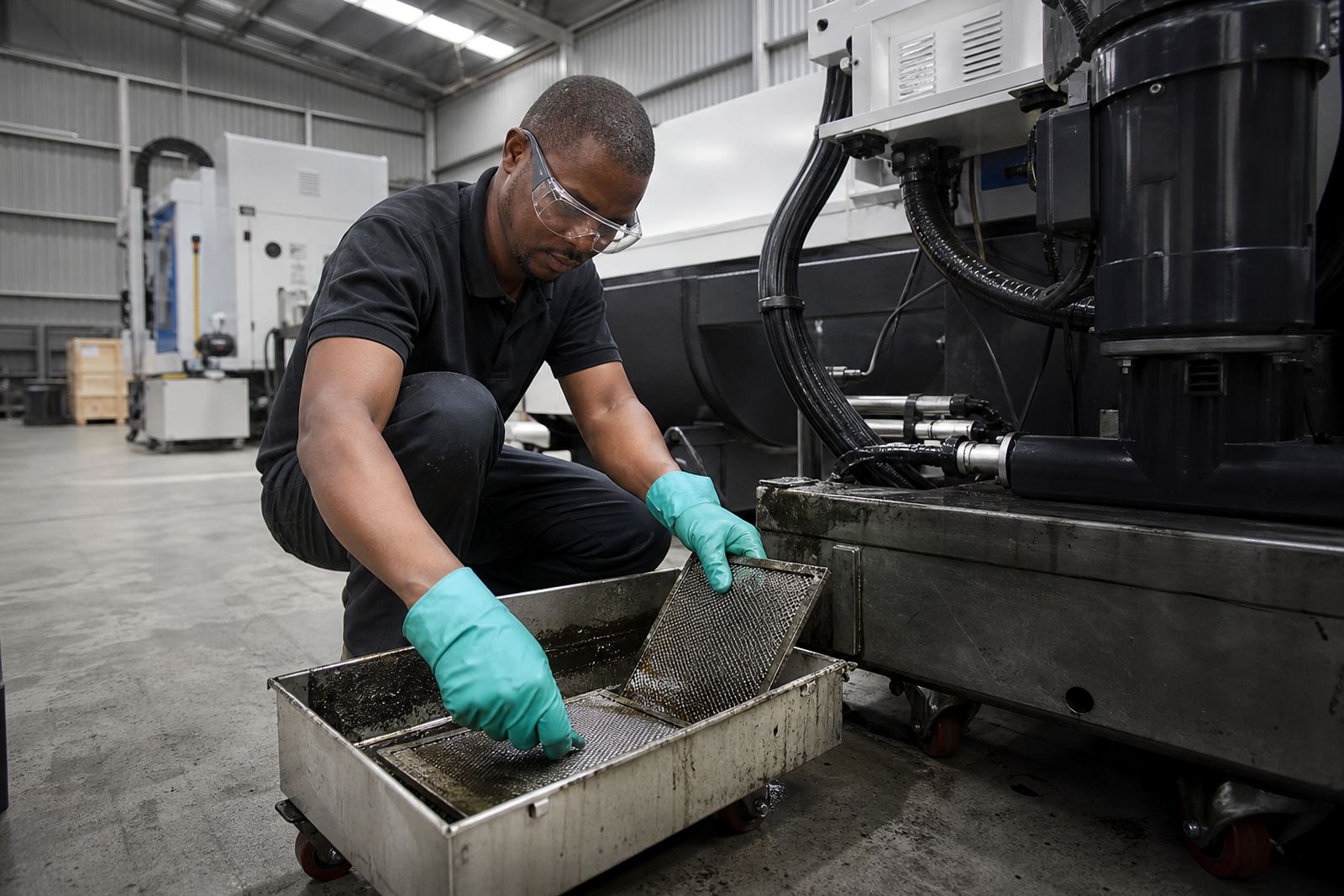
South African workshops do not work in ideal conditions all the time. Coastal humidity can affect stored tooling, and dusty factory floors in Gauteng can put extra strain on coolant systems and moving parts. A support plan should account for that reality. Preventive maintenance, spare parts support and routine alignment checks are not extras, they are part of keeping the bore process consistent.
For shops in Benoni, Johannesburg, Pretoria, Durban, Cape Town and Gqeberha, local response time can make a major difference. If a machine goes out of tolerance or the operator is struggling with a new setup, help needs to be practical and direct. The faster the issue is diagnosed, the faster the shop gets back to making parts.
A practical way to decide which path fits your shop
If your work is mostly repeat production, choose a machine and tooling plan that favours consistency, planned maintenance and low variation. If you handle mixed batches, repairs and short runs, put more weight on setup speed, tooling flexibility and hands-on support. Most South African shops sit somewhere in between, so the best answer is often a balanced setup that can handle both without overcomplicating the floor.
The useful question is not whether the machine is the newest one on the market. It is whether the machine, tooling and support package fit your actual jobs, your operators and your production pressure. That is the difference between a purchase that looks good on paper and one that keeps paying back month after month.