Why a trial part is worth the extra hour
In deep-hole work, the first part often tells you more than a stack of drawings. A trial part lets your team check whether the machine, tooling, coolant delivery and clamping method are behaving as expected before the job goes into production. That matters when a mistake can cost a bar of material, a day on the machine or a late delivery to a plant in Johannesburg or Cape Town.
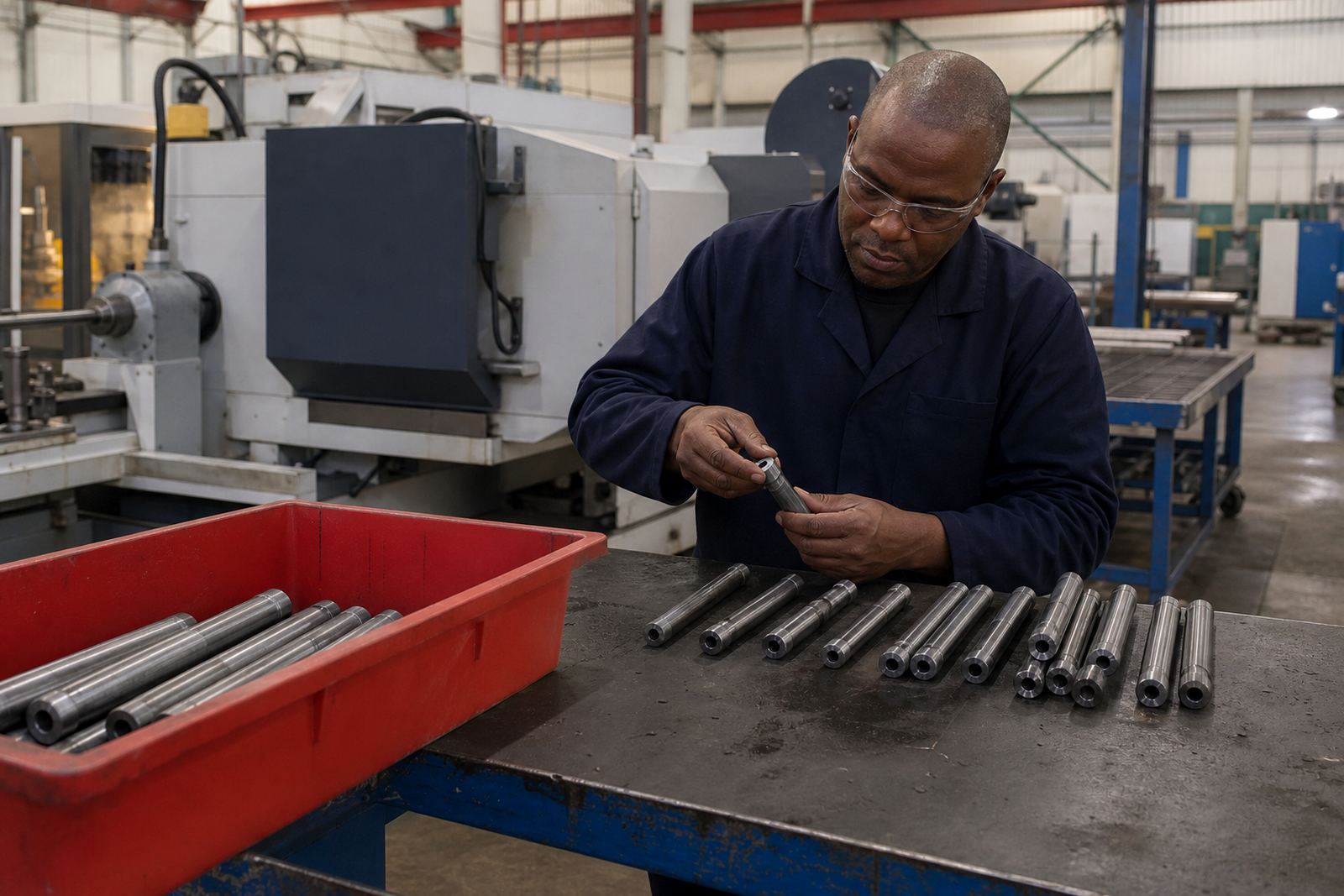
For many South African workshops, the trial part is not about perfection. It is about proving the basics: hole straightness, surface finish, chip control and repeatability. If those are sorted early, the rest of the run is much easier to plan.
- Confirms the process before full material is loaded
- Shows whether setup or tooling needs adjustment
- Reduces scrap on costly components
- Gives operators a clear reference for the production run
What a trial part should test before full production
A proper trial part should mirror the real job as closely as possible. Use the same material grade, same hole depth, same clamping method and the same coolant conditions that will be used in production. If the final job is going to a machine shop in Pretoria or an engineering contractor in Durban, there is little value in testing on a lighter material and hoping the result will transfer across.
The point is to catch the issues that usually show up too late. Those can include drill wander, chip packing, heat build-up, poor alignment or an unstable fixture. One small change in setup can alter the result quite a bit, so it helps to keep the test part as close as practical to the real component.
- Match material, size and hole depth to the production job
- Use the same coolant type and delivery method
- Test tool life, chip evacuation and hole quality
- Record feeds, speeds and any adjustment made during the trial
How a trial part lowers risk for local manufacturers
South African manufacturers often work under tight deadlines, with load-shedding, supplier delays and machine downtime all affecting output. A trial part reduces risk because it gives you data before you commit the machine for a long run. If the setup needs a small change, that change can be made while the cost is still manageable.
For example, a Benoni workshop producing precision bores for a component supplier can trial the part to check alignment and coolant flow before scheduling the full batch. That helps the team plan manpower and machine time with fewer surprises. It also makes it easier to communicate with the client if the process needs a tweak before sign-off.
For coastal sites in Durban or Gqeberha, humidity can affect storage, tooling condition and coolant care, so a trial part is also a sensible way to check that the system is running cleanly after the machine has been idle for a while.
Setup, tooling and support that make trial parts useful
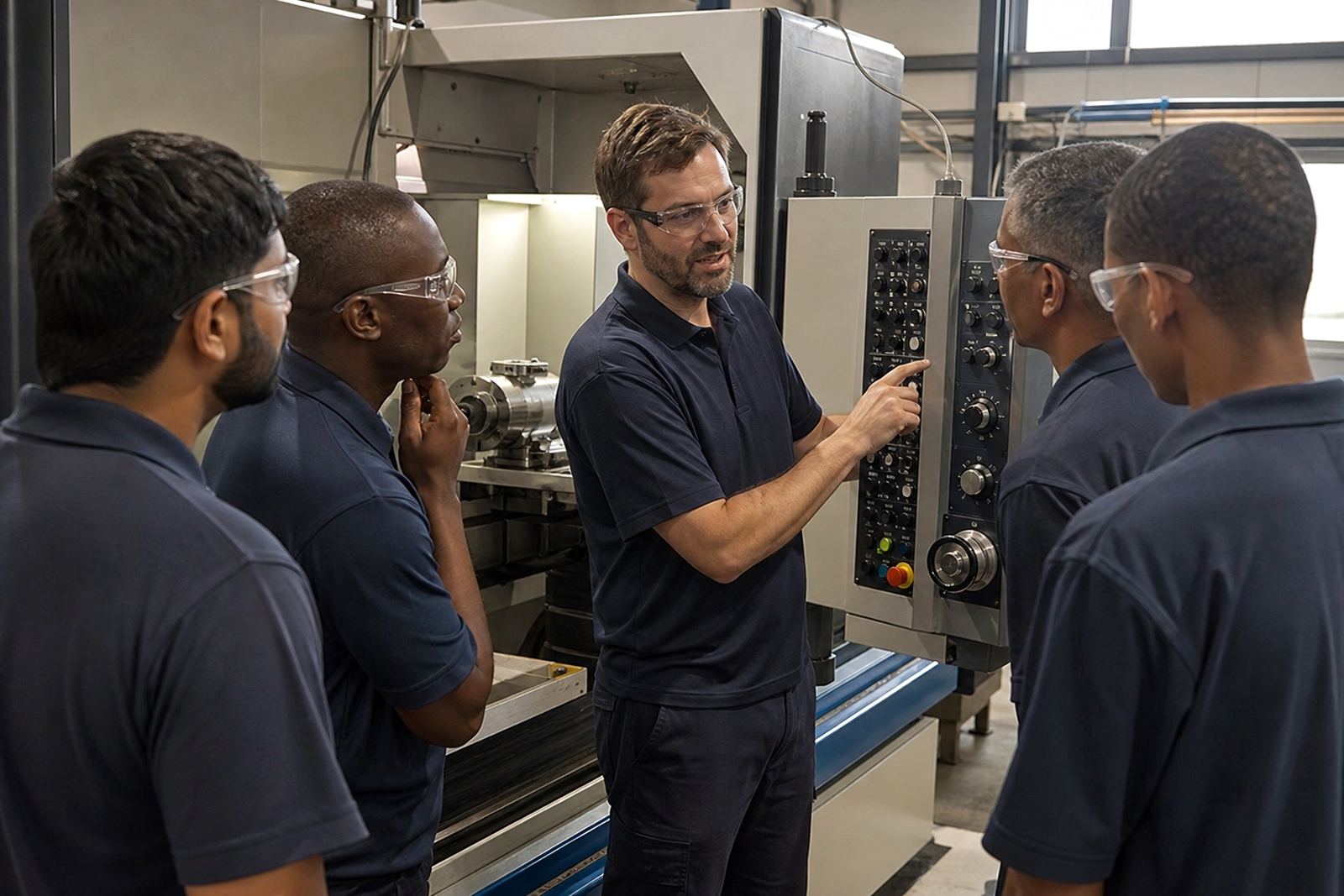
A trial part only helps if the setup is done properly. That means the right tooling choice, solid machine alignment and a process that is understood by the operator. Deephole supports manufacturers and engineering shops with machine installation, commissioning, tooling selection, setup optimisation and operator training, so the trial is based on a process that can actually be repeated.
Support also matters after the first cut. If the hole starts drifting or the finish changes, someone needs to assess whether the issue is with the tool, the coolant system, the workholding or the machine itself. That kind of troubleshooting is much easier when the trial part has already given a clear baseline.
- Machine installation and commissioning
- Tooling selection and setup optimisation
- Operator training for practical day-to-day use
- Process troubleshooting and production startup
- Preventive maintenance, alignment checks and breakdown support
What to record during the trial run
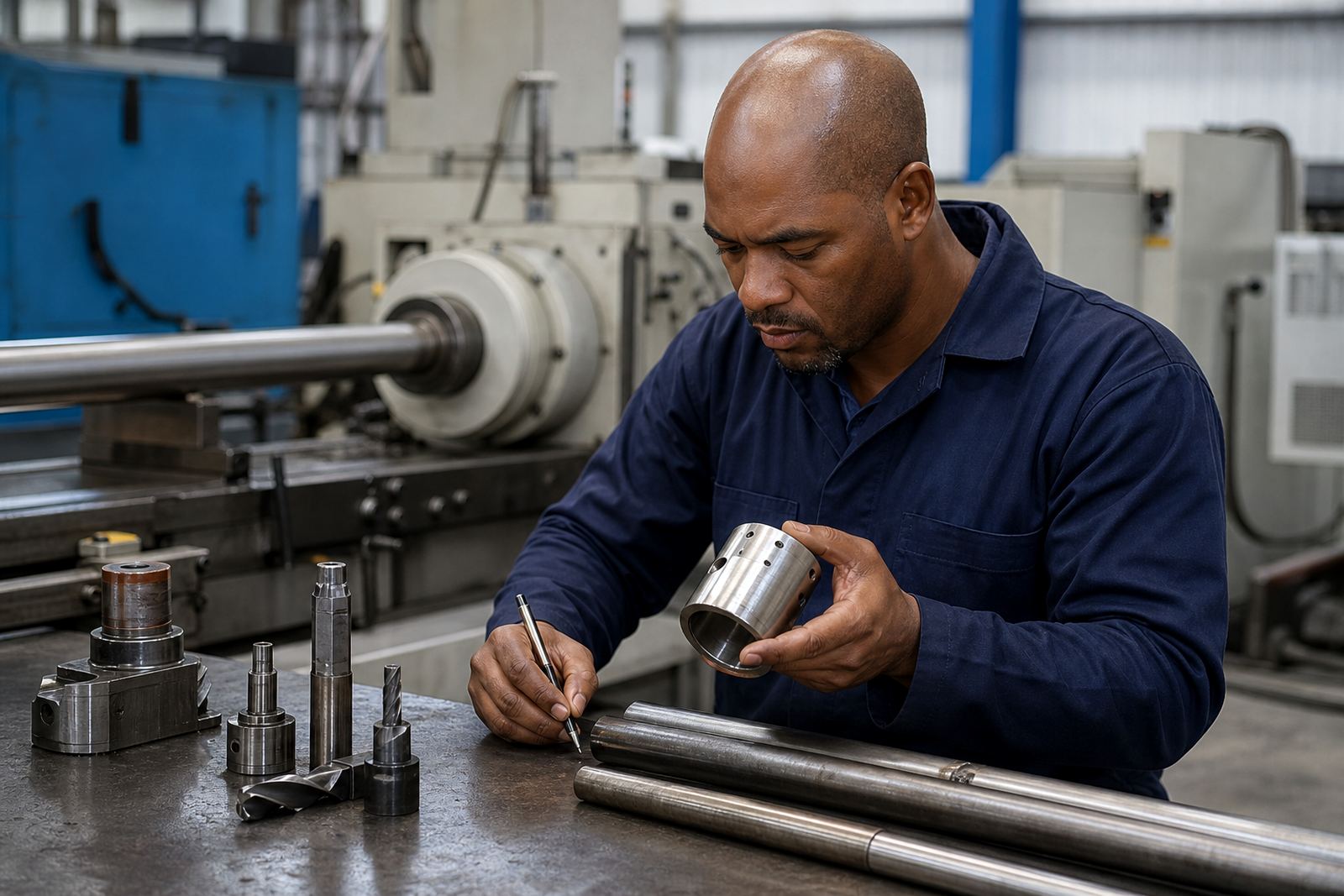
If you want the trial part to save time later, keep proper notes. Write down what was fitted, how the setup was aligned, what was adjusted and what the part looked like after each pass. A short record can be more useful than memory when the same job comes back six months later.
Good records are especially useful when different people handle the same machine across shifts. A setter in Gauteng may do the initial trial and a second operator may run production the next day. Without notes, the second person has to guess. With notes, the setup is easier to repeat and the process becomes steadier.
- Tooling used and any wear noted during the trial
- Coolant condition and flow settings
- Alignment checks and any correction made
- Hole quality observations, including finish and deviation
When to move from trial part to full production
Move ahead once the trial part shows the hole can be produced consistently, the tooling is stable and the operator knows the setup sequence. If the result is still changing from part to part, it is better to pause and correct the process than to run a batch that will need rework later. That is a simple rule, but it saves money.
For many South African shops, the best time to prove the process is before the machine is booked solid. Once the trial is done properly, the production run tends to be calmer, with fewer interruptions and less pressure on the team. And when the job is likely to repeat, a good trial part gives you a practical reference for next time.
If you need gun-drilling or deep-hole boring support in Benoni, Johannesburg, Pretoria, Durban, Cape Town or Gqeberha, Deephole works with manufacturers and engineering shops across South Africa to set up the process properly from the start.