
Why repeatability slips during long drilling runs
When a batch starts well but drifts by the afternoon, the problem is often not one single fault. In deep-hole work, small changes build up over time. Tool wear, coolant condition, temperature changes in the shop, loose clamping, or a rushed setup after lunch can all affect hole straightness and finish.
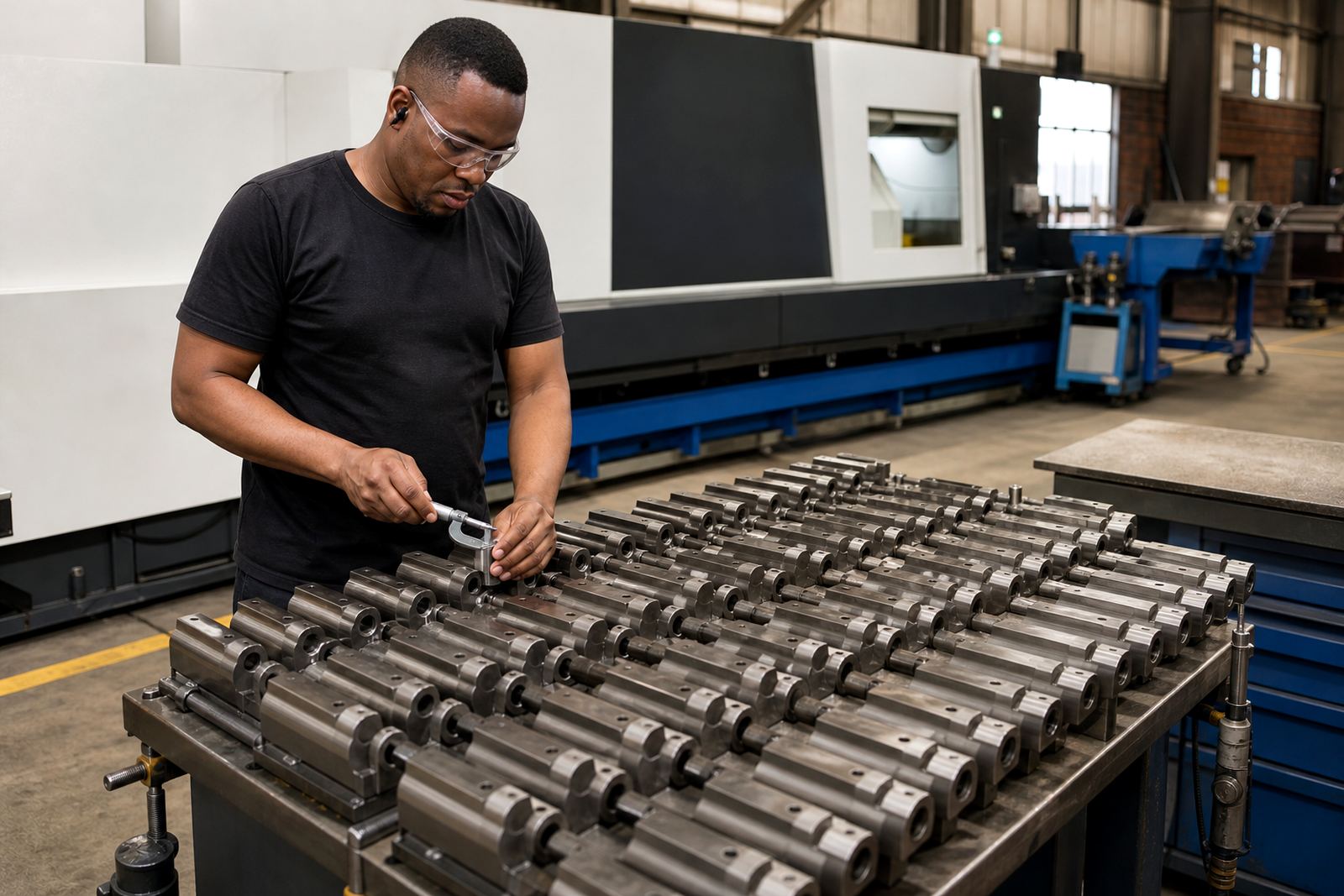
For manufacturers in Benoni, Johannesburg or Pretoria, repeatability matters because many jobs run in batches that must match each other from part one to part fifty. If the first part is right and the next few are not, the issue is usually process control rather than the machine alone. The aim is to keep the same cutting condition, alignment, and support from the first shift to the last.
- Check whether the same operator setup is being repeated each time
- Confirm that fixtures, bushings, and guides are still in position
- Watch for coolant contamination and temperature drift
- Inspect tool wear before quality starts to move out of tolerance
Start with machine installation and alignment checks
Repeatable drilling depends on a machine that is installed and aligned correctly from the start. If the bed, spindle line, workholding and support points are not properly set up, the machine may still produce parts, but consistency will be harder to hold over multiple batches. Even a small misalignment can show up later as a finish issue, taper, or off-centre condition.
This is why installation, commissioning and alignment checks are not just one-off tasks. They are part of production repeatability. When a machine is moved, reconnected after maintenance, or pushed into a new job, the support team should verify that the original setup is still valid. That saves time later and helps avoid scrap during the first production run.
- Level and anchor the machine correctly
- Confirm spindle and guide alignment before production starts
- Recheck after relocation, maintenance, or heavy impact
- Document the accepted setup so it can be repeated later
Tooling selection is part of the quality plan
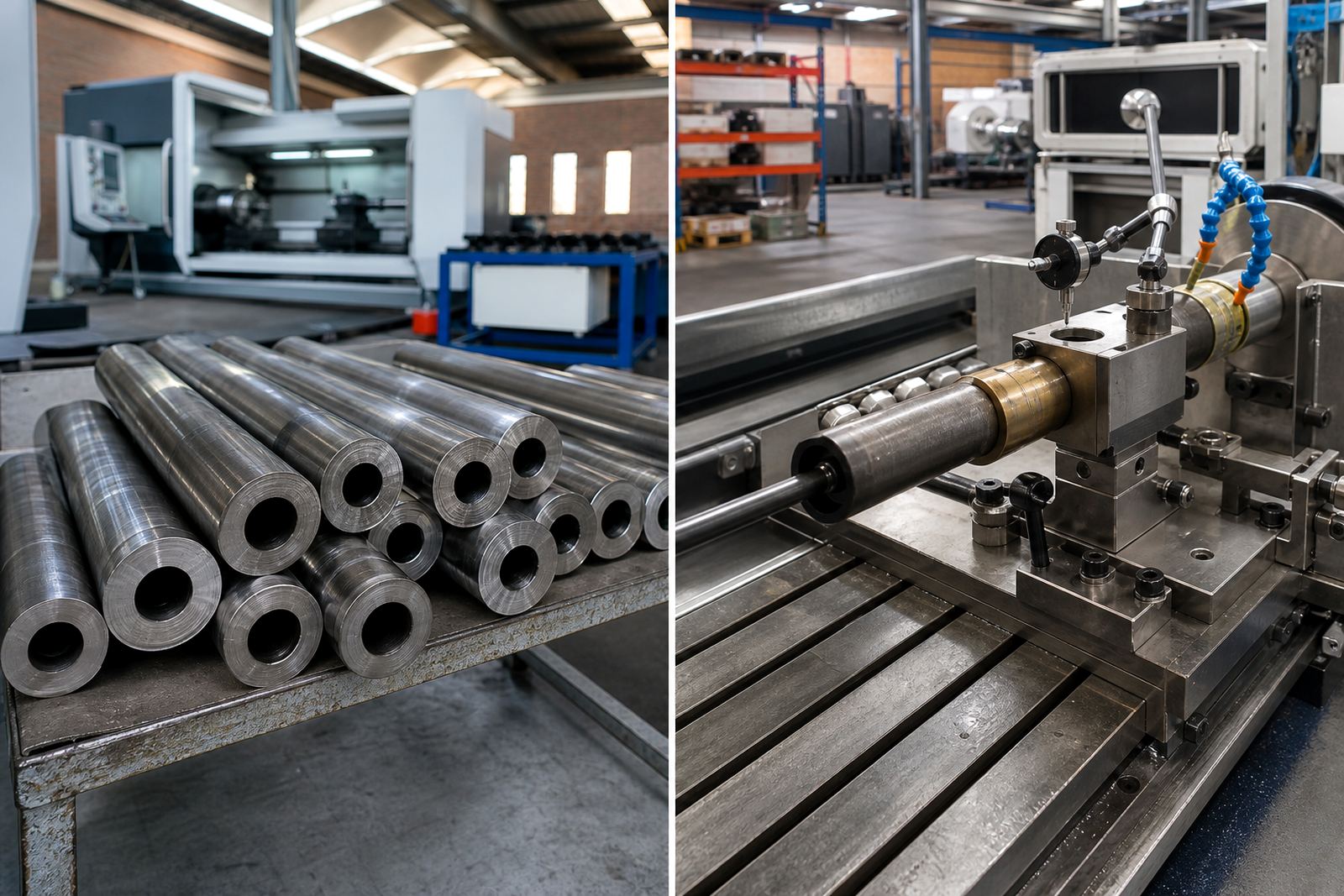
In gun-drilling and deep-hole boring, tooling is not a small detail. The right tool choice affects chip evacuation, surface finish and how stable the process stays over a long run. If tooling is selected only for initial cutting speed, the process may look good at the start but lose consistency as the batch continues.
A practical tooling plan should match the material, hole depth, coolant flow, and production volume. It should also allow for the reality of South African workshops, where load-shedding, interrupted shifts, and quick changeovers can affect production rhythm. A tool that is easy to set and repeat is often better than one that needs constant attention.
Good tooling support also helps when a job is moved from one machine to another. The setup should not depend on memory alone. Standardised tooling, clear offsets, and repeatable clamping methods all reduce variation from batch to batch.
- Match tooling to material and hole depth
- Use the same setup method for repeat jobs
- Keep spare consumables ready for planned changeovers
- Record preferred feeds, speeds, and coolant settings for each approved job
Coolant and chip control keep the process steady
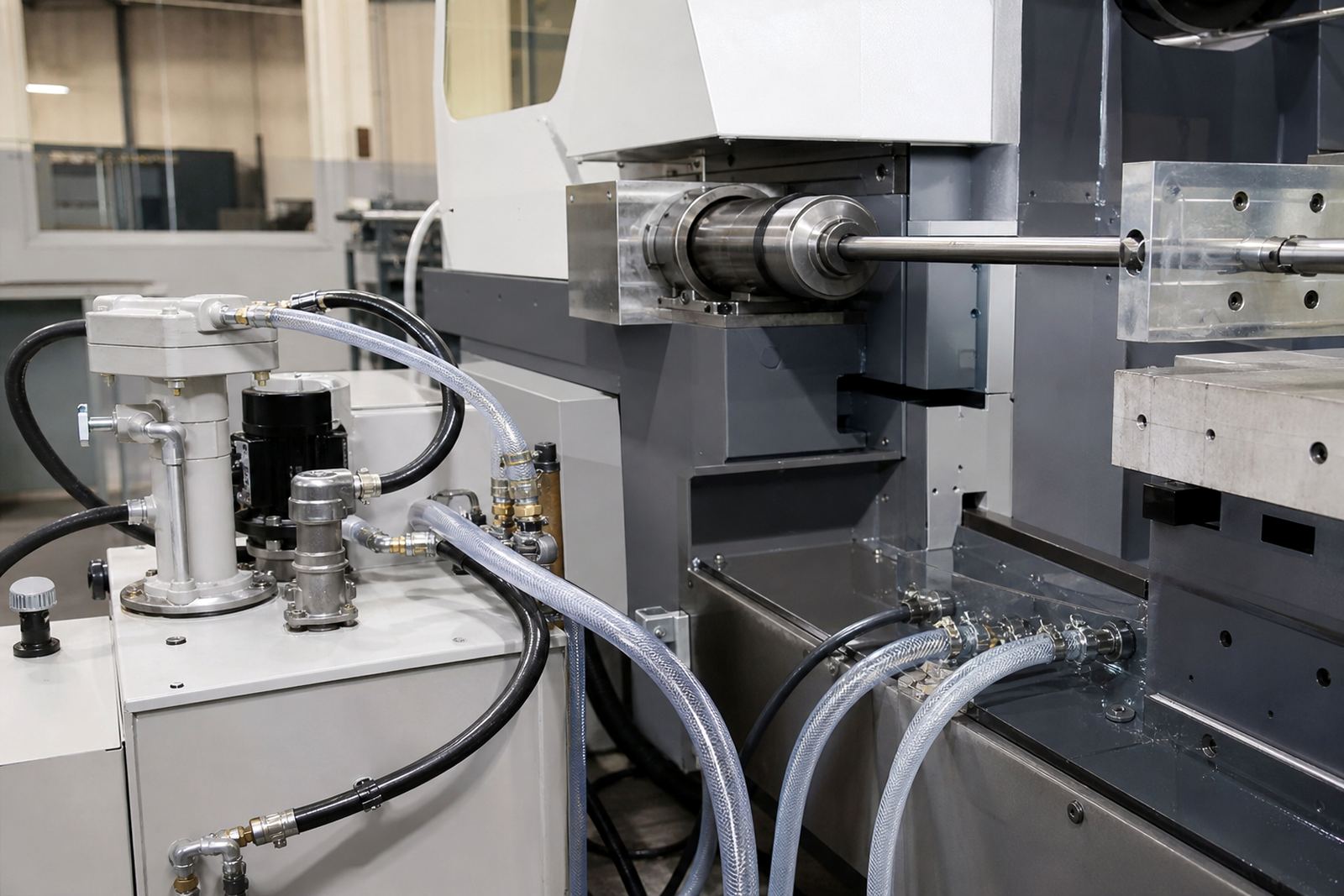
Deep-hole work is unforgiving when coolant delivery falls off. If chips are not evacuated cleanly, the tool starts to work harder, heat builds up, and the hole can drift. That is one reason repeatability depends on coolant system service as much as on the machine itself. A clean system, good pressure, and consistent delivery all help the cutting edge behave the same way throughout the batch.
In coastal areas like Durban and Gqeberha, moisture and humidity can also affect storage, coolant life, and machine condition. In Gauteng, the challenge may be dust, stoppages, or long production hours. Either way, coolant should be checked regularly and filters must be kept in good condition. If the system changes from one day to the next, the job will too.
Support matters here because the symptoms often appear on the part first, not at the coolant tank. A good service routine should look at flow, contamination, temperature, and delivery path, then correct the cause before the next batch starts.
- Keep coolant concentration within the required range
- Remove swarf before it recirculates through the system
- Check pumps, hoses, and filters for partial blockage
- Service the coolant system before repeat jobs are scheduled
Operator training makes the repeat job behave the same way
Even when the machine and tooling are correct, the operator still decides how consistently the job is run. Training helps create repeatability by making sure each person follows the same setup, the same checks, and the same response when the process begins to drift. That is especially important in shops with shift changes or multiple operators working on the same machine.
Training should cover more than button pressing. Operators need to understand what a normal cut sounds and feels like, how to spot early warning signs, and when to call for support. A steady process is usually the result of small disciplined habits, not one big fix.
For production teams in Johannesburg, Pretoria and the East Rand, this becomes practical very quickly. If the first part of the shift is set up one way and the second shift does it another way, the batch will show the difference. Standard work, clear notes, and simple checks are worth more than guesswork.
- Use one approved setup method for each repeat job
- Record tool changes and any changes to coolant or feed settings
- Train operators to spot wear before quality moves out of tolerance
- Keep handover notes short, clear, and used every shift
A Benoni example: repeatability on a mixed production floor
A typical repeatability challenge in Benoni or the wider East Rand is a shop that runs one deep-hole job in the morning and another in the afternoon on the same machine. The first batch may be stable, then the second starts showing a different finish because the setup was adjusted too quickly after a tool change or because the coolant condition changed during the day.
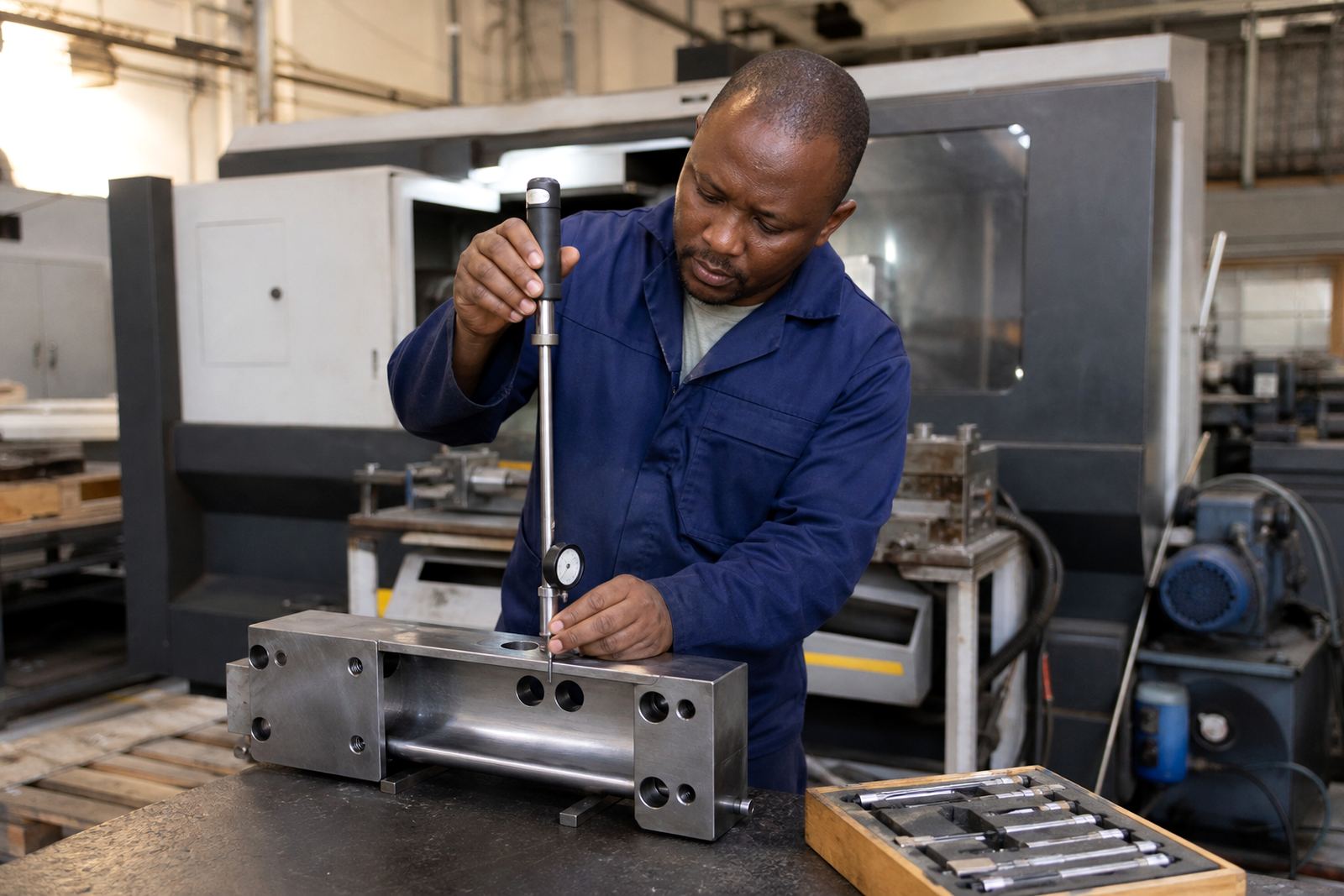
What usually helps is not a complete reset but a tighter routine. The machine is checked before start-up, the tooling is verified against the approved setup, coolant condition is confirmed, and the first part is measured against the same reference every time. If an issue appears, the team looks at the full process instead of blaming one component only. That approach saves time and gives a better result over the full batch.
For manufacturers supplying parts into Johannesburg, Pretoria, Durban or Cape Town, this kind of discipline keeps production moving even when power interruptions or urgent orders disrupt the schedule. The goal is to return to the same approved setup quickly, with less trial and error.
Support that protects repeat production
Repeatability is easier to hold when support is available after the machine is installed. Preventive maintenance, breakdown support, spare parts support and process troubleshooting all help keep production stable. If a machine is left to run until it fails, the first thing lost is consistency, then the schedule, then confidence in the batch.
Practical support should include machine installation, commissioning, tooling selection, setup optimisation, operator training, alignment checks and production startup. That combination gives a shop the best chance of keeping the same result from one batch to the next, rather than chasing problems after they appear.
For South African manufacturers working with tight lead times, the value of repeatability is simple: fewer rejects, less downtime, and more confidence that the next batch will match the last one. That is what good deep-hole drilling support is meant to protect.