What remote support should cover before the machine arrives
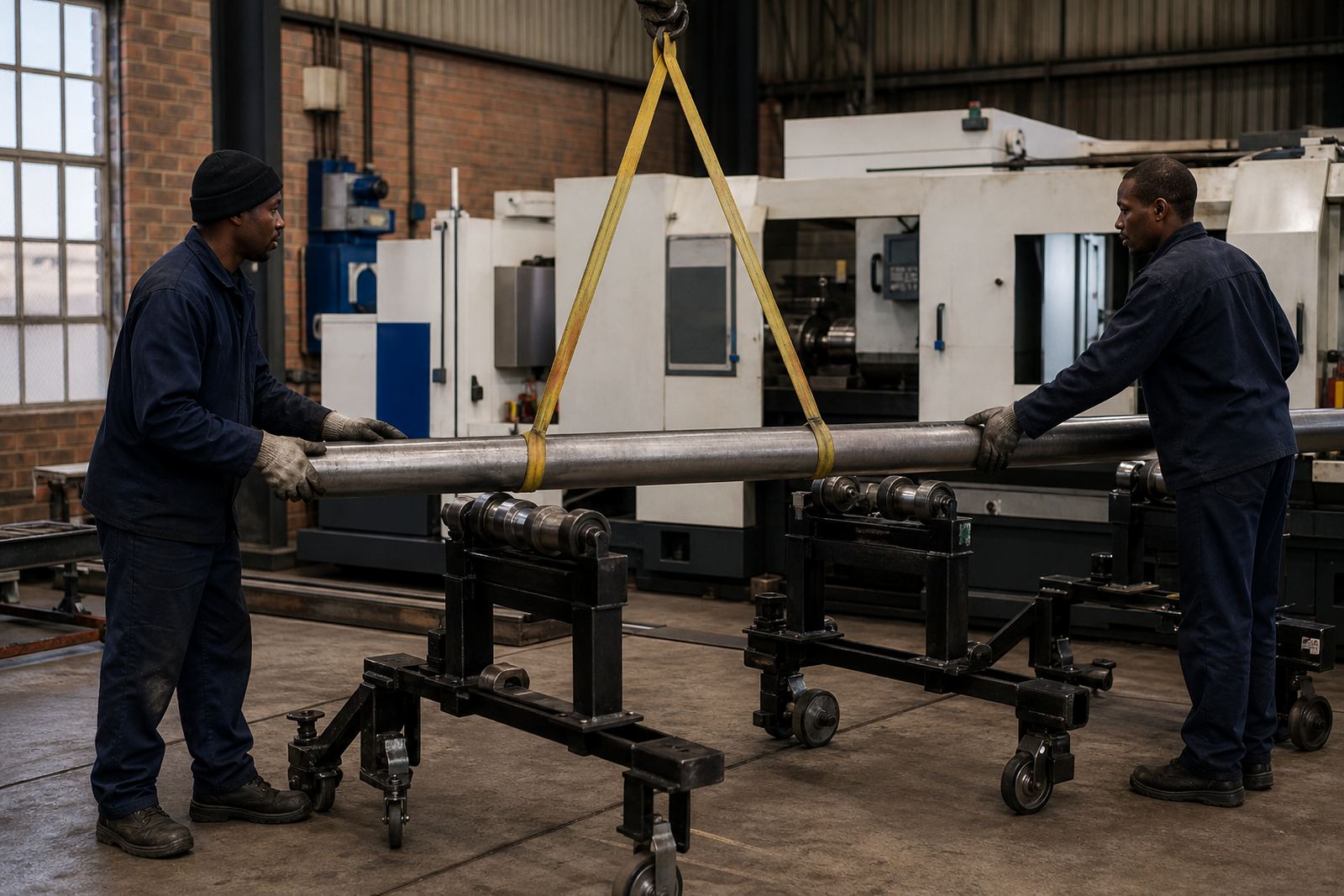
For gun-drilling and deep-hole boring equipment, the work starts before the machine is on site. A good support plan checks the floor space, power supply, lifting access, coolant arrangement and the sequence for installation so the machine can be commissioned without avoidable delays. In South Africa, that planning matters even more when a workshop is balancing load-shedding, shared power circuits and municipal rules for lifting equipment or noise control.
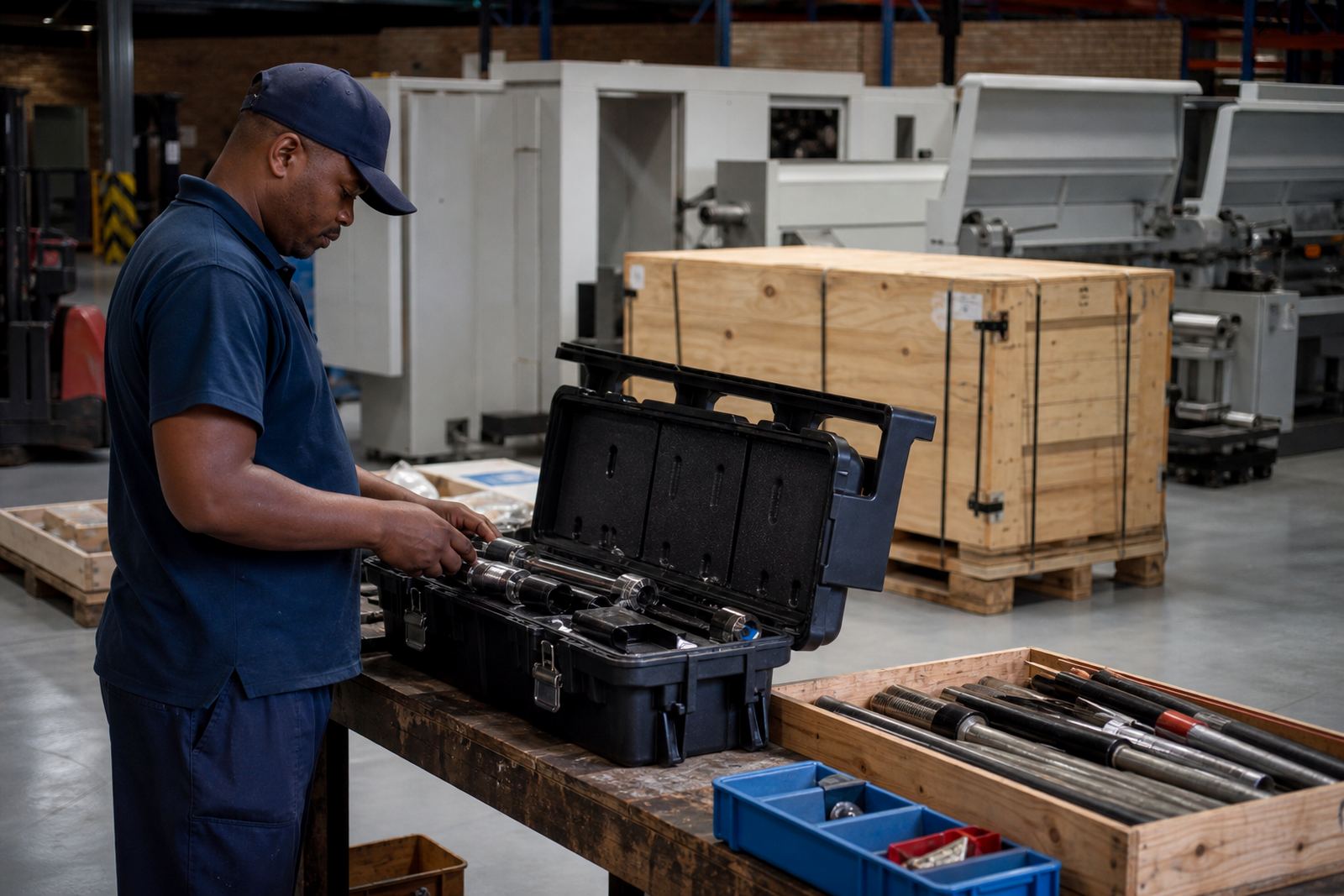
Remote support should also confirm what tooling is required for the first jobs, what measuring equipment the operators will use and which parts must be on hand for startup. That prevents the common situation where a machine is ready but the shop is still waiting for the right guides, seals or coolant fittings.
- Site readiness review before delivery
- Power and coolant checks before commissioning
- Tooling list matched to the first jobs
- Operator briefing for the team on shift
Why tooling selection changes the whole job
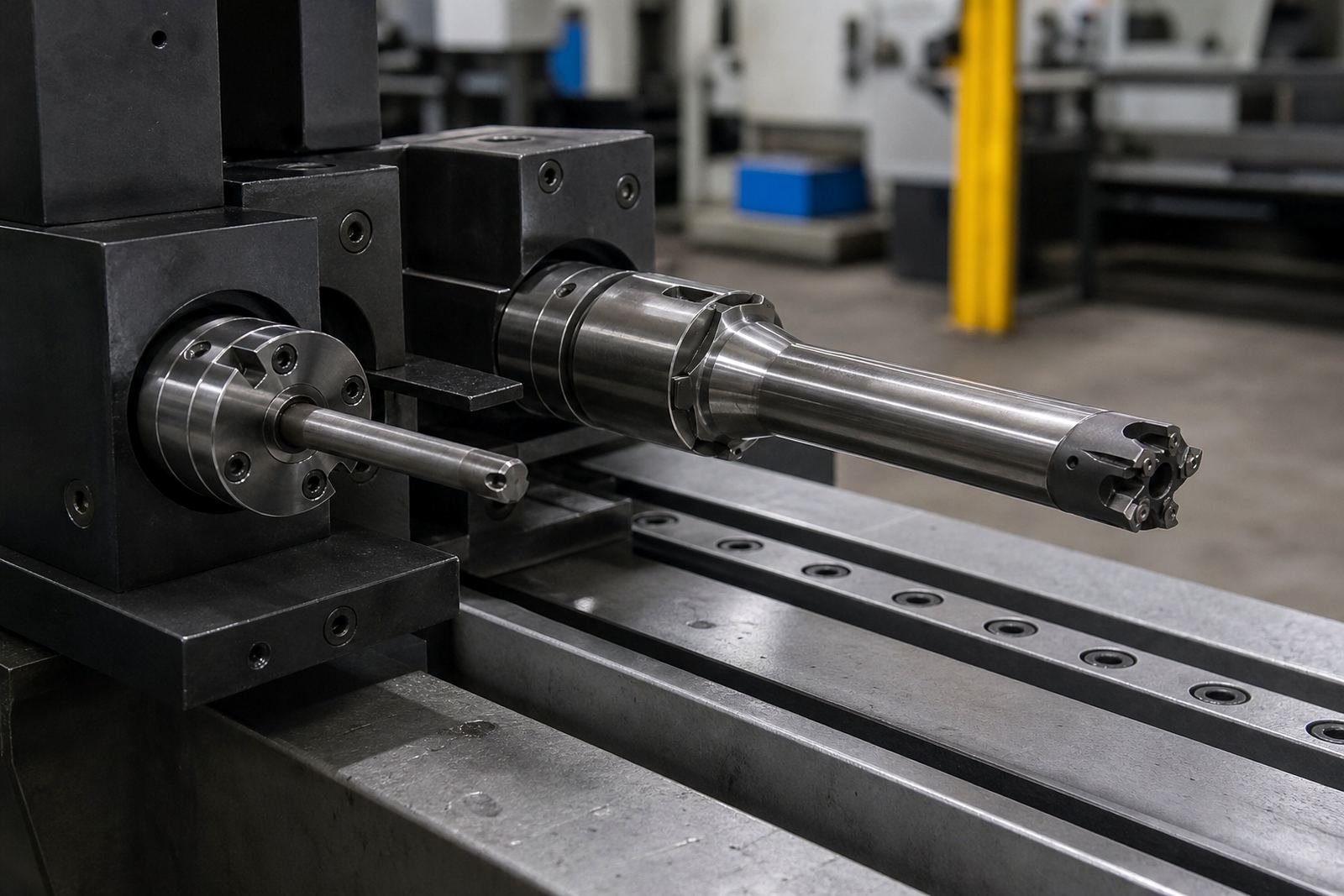
Deep-hole work is unforgiving when the tooling is wrong. Feed rate, coolant delivery and the hole length all affect the result, so tooling selection has to match the material and the job intent. A support team that understands this will help the workshop choose the right tooling, set the first run correctly and adjust the process before bad parts pile up.
That kind of help is practical, not theoretical. It means looking at how the machine will be used in a South African plant where one day may bring high-volume production and the next day a one-off repair component. In coastal areas like Durban or Gqeberha, storage and setup also need to account for humidity and corrosion on tooling, guides and machine surfaces.
- Select tooling for the material and hole depth
- Check coolant delivery and filtration
- Set up wear checks for guides and inserts
- Store tooling properly in humid conditions
How setup optimisation saves time on the shop floor
Once the machine is on site, setup optimisation is where remote support proves its worth. A specialist can review the machine arrangement, workholding, alignment and operator sequence, then suggest changes that reduce idle time. If a shop in Pretoria is running production after hours, every minute saved during setup helps the team hold its schedule and avoid weekend catch-up work.
Remote advice is especially useful when the same machine must handle different parts through the week. A clear setup sheet, checked by an applications specialist, gives operators a repeatable method and helps new staff get up to speed faster. It also reduces the risk of small setup errors that show up later as tapered holes or poor finish.
Deephole support teams in Benoni and across Gauteng can assist with machine installation, commissioning and setup optimisation so the first production run is not treated like a trial by fire.
What to expect when production stops unexpectedly
Breakdowns are never convenient and in deep-hole work they can stall a whole production line. Remote support should help the workshop isolate the issue quickly, whether the problem is alignment, coolant flow, tool wear, control settings or a mechanical fault that needs a technician on site. A good first response saves time and can prevent secondary damage.
Before a technician travels, the service coordinator should help gather the right details from the shop floor. That includes the fault symptoms, any alarm messages, recent changes and what the machine was doing when the fault started. It sounds simple, but in practice this cuts back-and-forth and lets the team arrive prepared.
- Fault description from the operator
- Photos or measurements where needed
- Recent tool and coolant changes
- Check of alignment and startup settings
Training that keeps operators steady across provinces
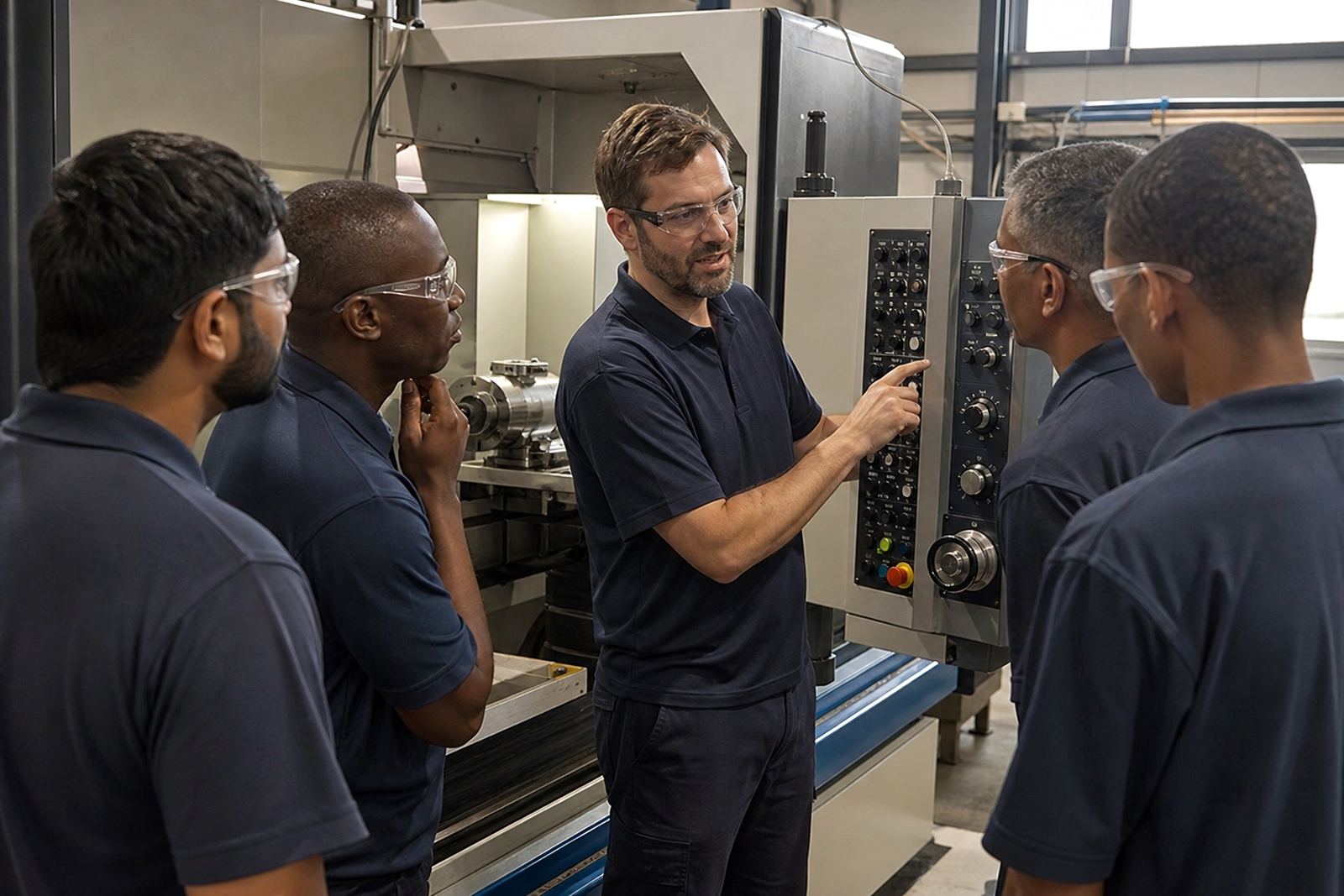
National support only works when the people running the machines feel confident. Operator training should be part of the plan from the beginning, not something added after the first problem. A training lead can show the team how to prepare the machine, monitor the process, spot warning signs and protect tooling from unnecessary wear.
For shops with smaller teams, training also helps cover leave cycles and shift changes. A plant in Cape Town might have one experienced setter and two newer operators while another site in Johannesburg runs with a different mix. Training has to reflect that reality. It should be practical, clear and tied to the actual machine on the floor, not just theory.
When training is done well, the workshop gets fewer repeat issues, better part consistency and less dependence on emergency support.
A local example from Benoni to the coast
Consider a manufacturing shop in Benoni that has to support a customer order going out through Durban. The machine is installed in Gauteng, but the job will be repeated later in a coastal workshop, so the process must be stable enough to travel. In that case the support plan should cover installation, commissioning, first article checks, tooling selection and a clear maintenance routine.
That approach also helps when spare parts need to move quickly between sites. If the first installation has been documented properly, the support team can advise another site on the same settings, the same checks and the same maintenance intervals. It keeps the second site from starting at zero and gives the workshop a better chance of hitting its delivery date.
Remote support is not a substitute for good machinery or skilled staff, it is the link that keeps them working together when the sites are far apart and the clock is tight.