Why slender parts need careful support before the first cut
When a shaft, tube or long bar has a small diameter compared with its length, the material will want to deflect under cutting force. That is true even before the drill reaches deep into the part. In gun-drilling and deep-hole boring, small movement at the entrance can grow into a bigger error by the time the tool reaches depth.
The first step is to treat support as part of the process, not an extra afterthought. A part that looks fine on the bench can still flex once it is clamped, rotated or fed into a machine. For shops in Benoni, Johannesburg or Pretoria, that matters when you are turning around urgent jobs and cannot afford scrap after a long setup.
- Check the length to diameter ratio before you decide on the holding method.
- Look for thin walls, interrupted sections and changes in material hardness.
- Confirm where the workpiece can be supported without blocking the drill path.
Choose the right holding method for the job
No single clamping method suits every slender workpiece. A long, straight bar may behave differently from a thin-wall tube or a machined shaft with shoulders. The aim is to hold the part firmly enough to stop vibration, but without crushing it or inducing strain that shows up later in the bore.
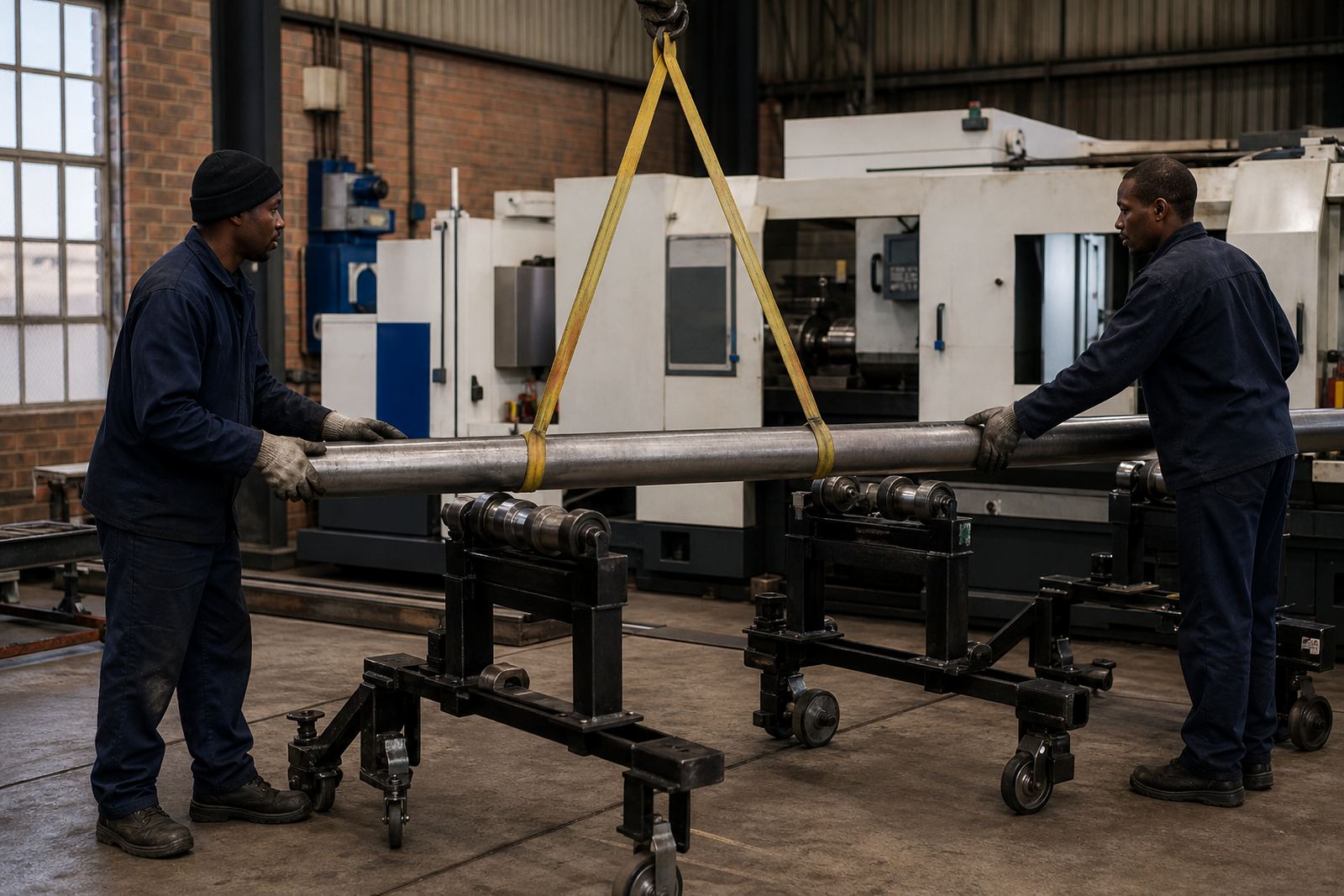
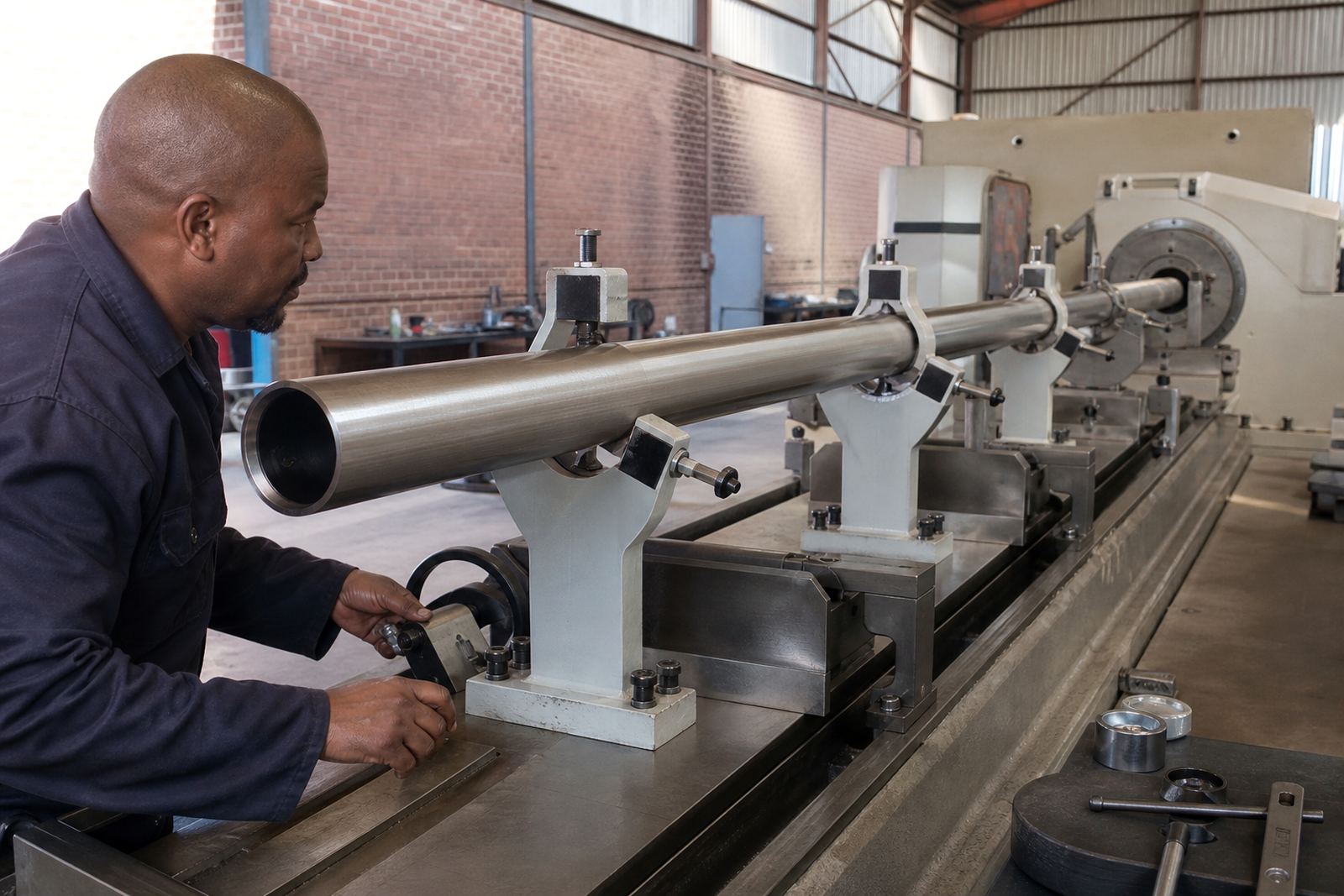
For many jobs, support begins with accurate workholding at both ends of the component. In some cases a steady rest, bush support or guide arrangement is needed to keep the entry aligned. On a high-value part, it is worth spending time on setup rather than trying to recover the hole later. That is often where process support from a machine technician or applications specialist saves the job.
- Use soft jaws, sleeves or packing where the surface finish must be protected.
- Support close to the cutting zone when the part tends to whip.
- Keep the clamping pressure even so the component does not bow under load.
Guide the tool as well as the workpiece
Support is not only about the part. The tool needs help staying on line too. In deep-hole work, the entry point, guide arrangement and coolant flow all work together to keep the drill stable. If the tool is left to wander at the start, the workpiece will often follow that error for the rest of the hole.
This is where tool selection and setup optimisation matter. The drill must suit the hole diameter, material and depth, while the guiding method must suit the machine and part geometry. A clean, square entry reduces side load, which is important on slender components that already have limited stiffness. If the workpiece starts to vibrate, the bore can go off centre and the surface finish suffers.
- Confirm alignment before the first feed movement.
- Make sure coolant reaches the cutting zone properly from the start.
- Watch for early signs of chatter, heat build-up or chip packing.
Use process support to stop deflection from building up
As the hole gets deeper, small issues become harder to correct. Heat, chip evacuation and tool pressure all affect how much the workpiece moves. On a slender part, even a slight change in feed or coolant delivery can show up as taper, deviation or a rough bore surface.
Preventive maintenance also plays a part. A machine with worn alignment, poor coolant delivery or unstable motion will put more strain on the workpiece. In South African workshops where power interruptions and load-shedding can interrupt the day, it helps to check the machine state before resuming production. After a stop-start cycle, recheck the clamping, tool position and coolant system rather than assuming the setup is still correct.
- Inspect guide bushes and supports for wear before a critical run.
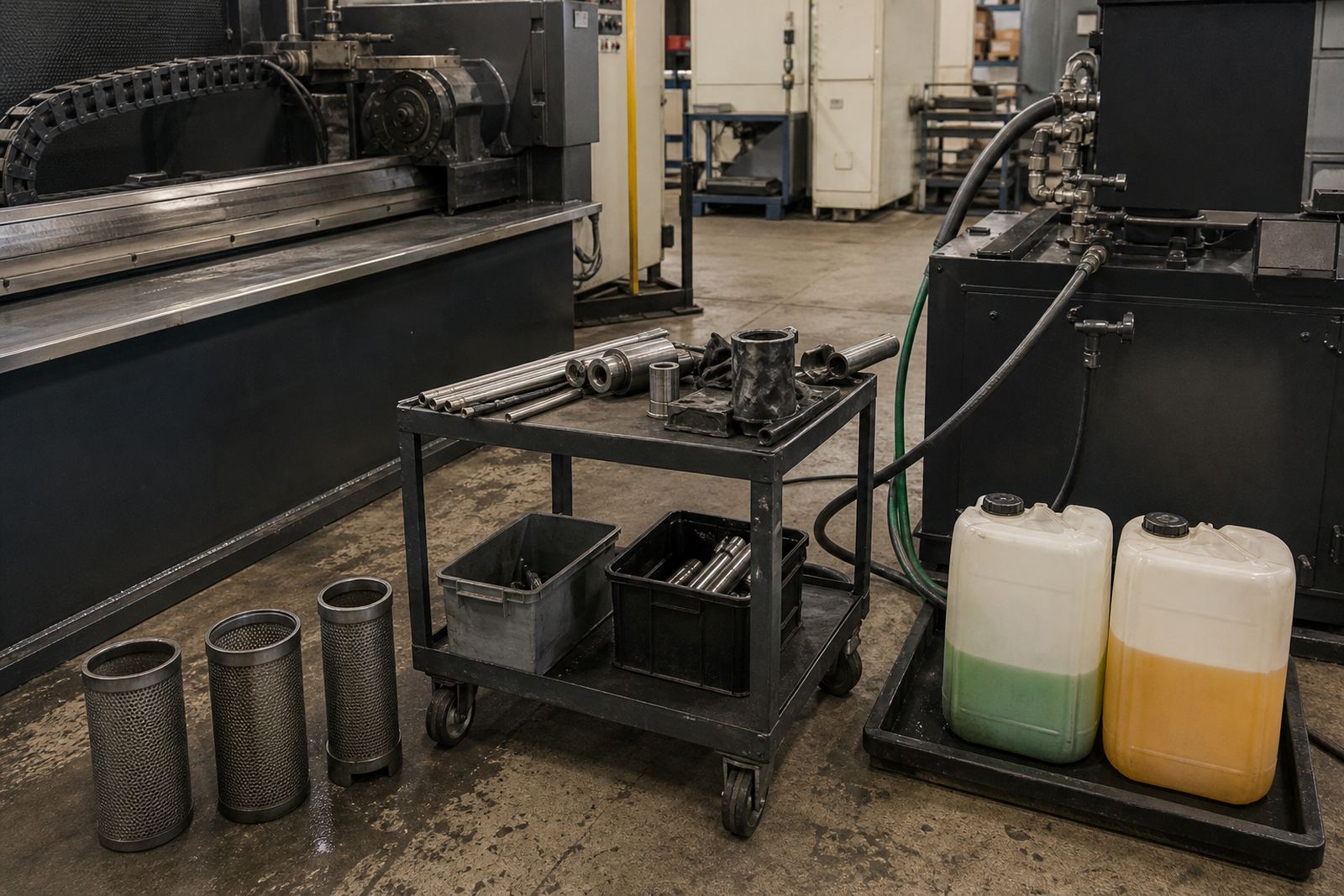
- Keep coolant clean enough for consistent flow and chip removal.
- Reconfirm alignment after any interruption to the job.
A practical example from a Gauteng production floor
A Johannesburg engineering shop working on a long, slender shaft for a rotating assembly had repeated issues with bore wander. The part was being clamped securely, but the support points were too far apart and the component was flexing during feed. Once the setup was changed to give support closer to the cutting area, the operator had better control and the process became more predictable.
The lesson was simple. The support method had to match the shape of the part, not just the size of the machine. That kind of adjustment is common in Benoni and across the East Rand, where shops often need to move fast between different component types. With the right tooling support and a sensible setup, a difficult job becomes manageable.
What to ask before you start a slender-part job
Before production begins, it helps to run through a short checklist with the operator, setter and support team. That keeps everyone on the same page and reduces the chance of a costly restart. It also helps when you are planning machine installation, commissioning or production startup on a new job.
If you are unsure about the best support method, speak to a team that works with gun-drilling and deep-hole boring every day. Deephole supports manufacturers and engineering shops across South Africa with tooling selection, setup optimisation, operator training and breakdown support. The aim is practical, consistent results on long-hole work, not guesswork.
- What is the part material and finished tolerance?
- Where can the component be supported without blocking the hole?
- Is the current tooling suitable for the depth and diameter?
- Who will check alignment, coolant and chip removal during the run?