Why bore finish changes before the first chip is cut
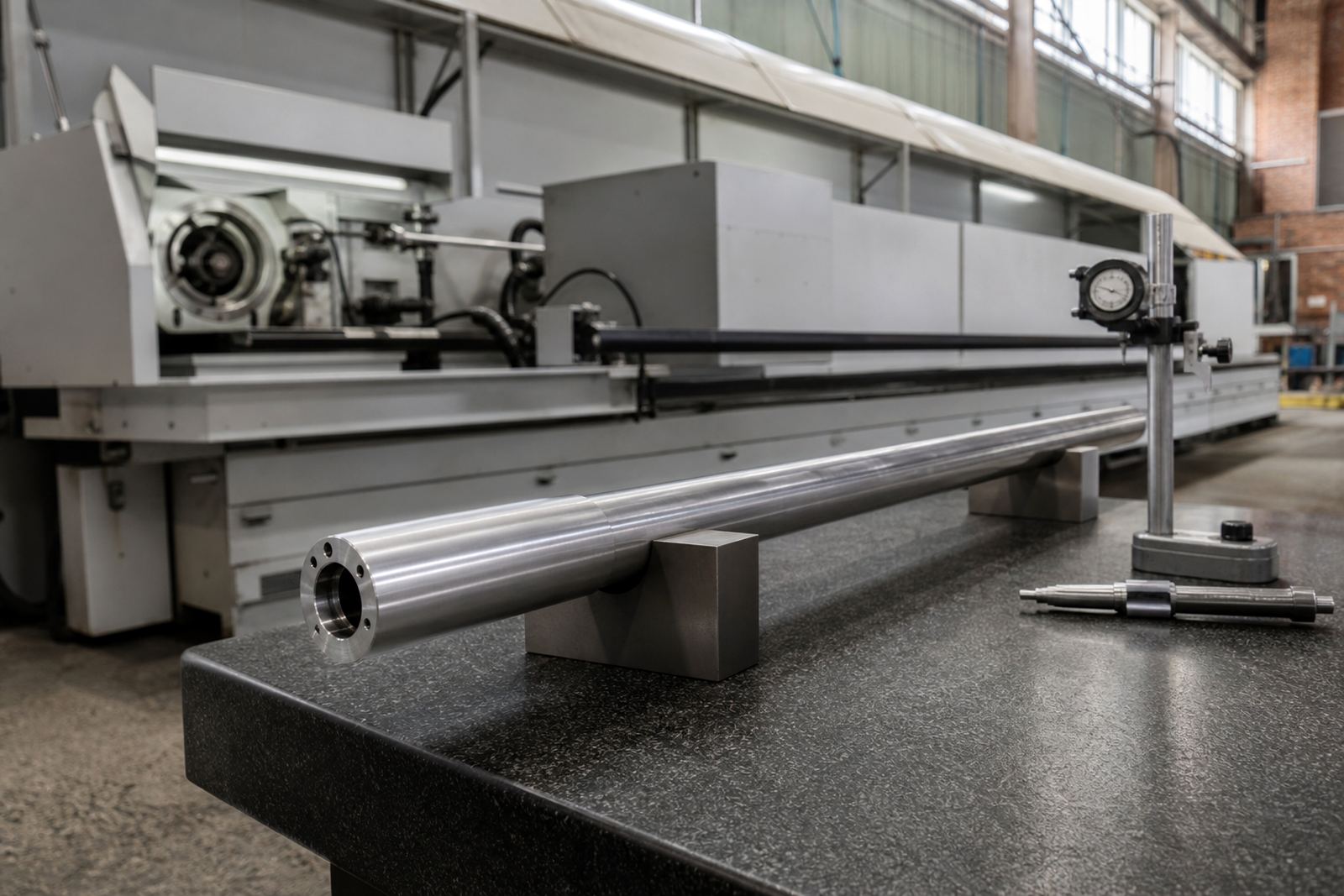
When a workshop sees chatter marks, torn material or a dull finish inside a deep hole, the cause is often set up long before the cutting edge enters the job. The workholding, the condition of the machine, the straightness of the pilot hole and even the way the coolant reaches the cutting zone all affect the final surface. In deep-hole work, small errors tend to repeat themselves over the full length of the bore, so a minor issue at the start can become a costly problem by the end.
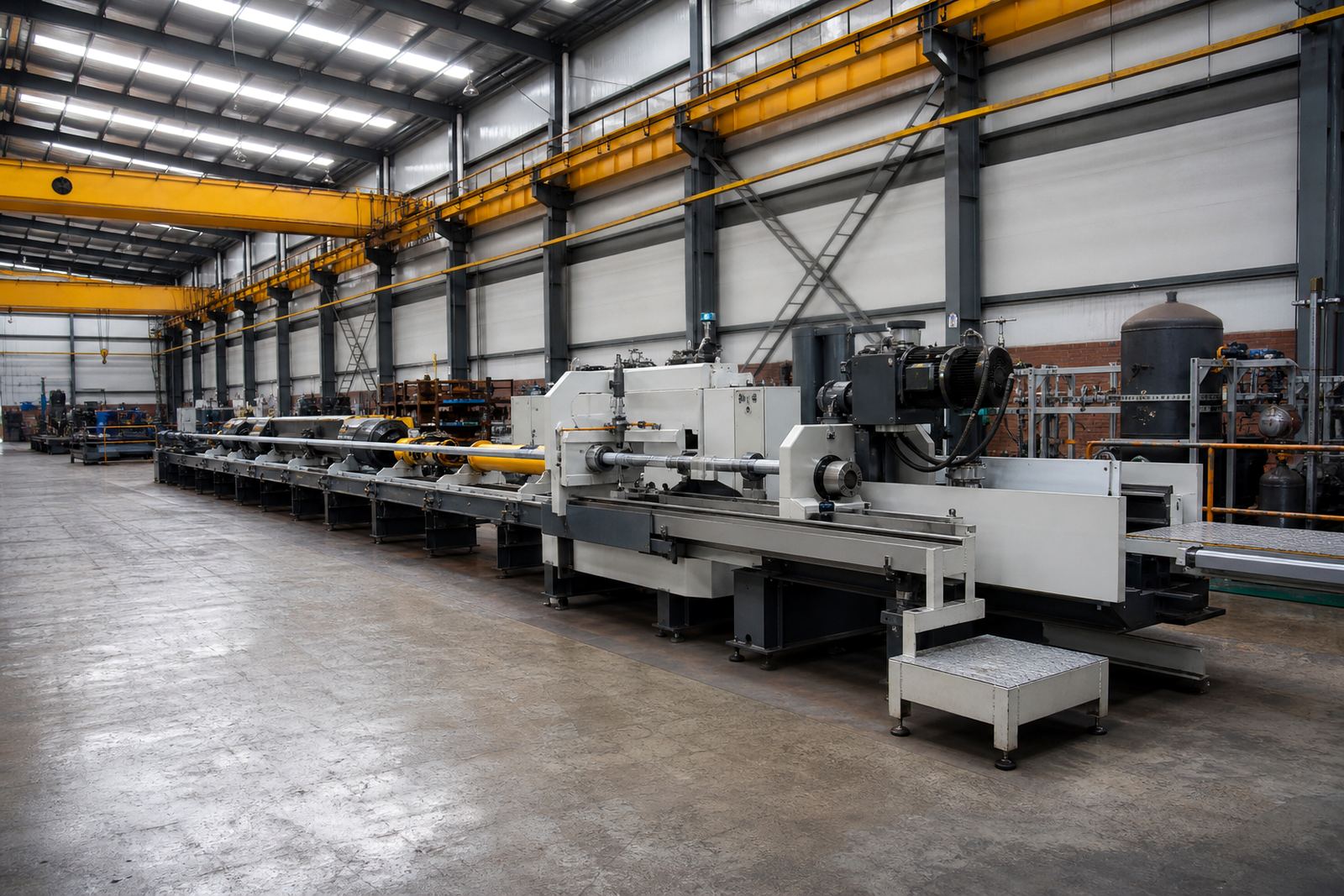
That is why gun-drilling and deep-hole boring need a disciplined approach. A machine can be capable, but if alignment is out or the tooling is not suited to the material, the bore will show it. At Deephole in Benoni, we see the same pattern across Gauteng, KwaZulu-Natal and the Western Cape: the best surface finish usually comes from a process that is planned properly, not one that is forced to work by trial and error.
Tool geometry and tool condition set the tone
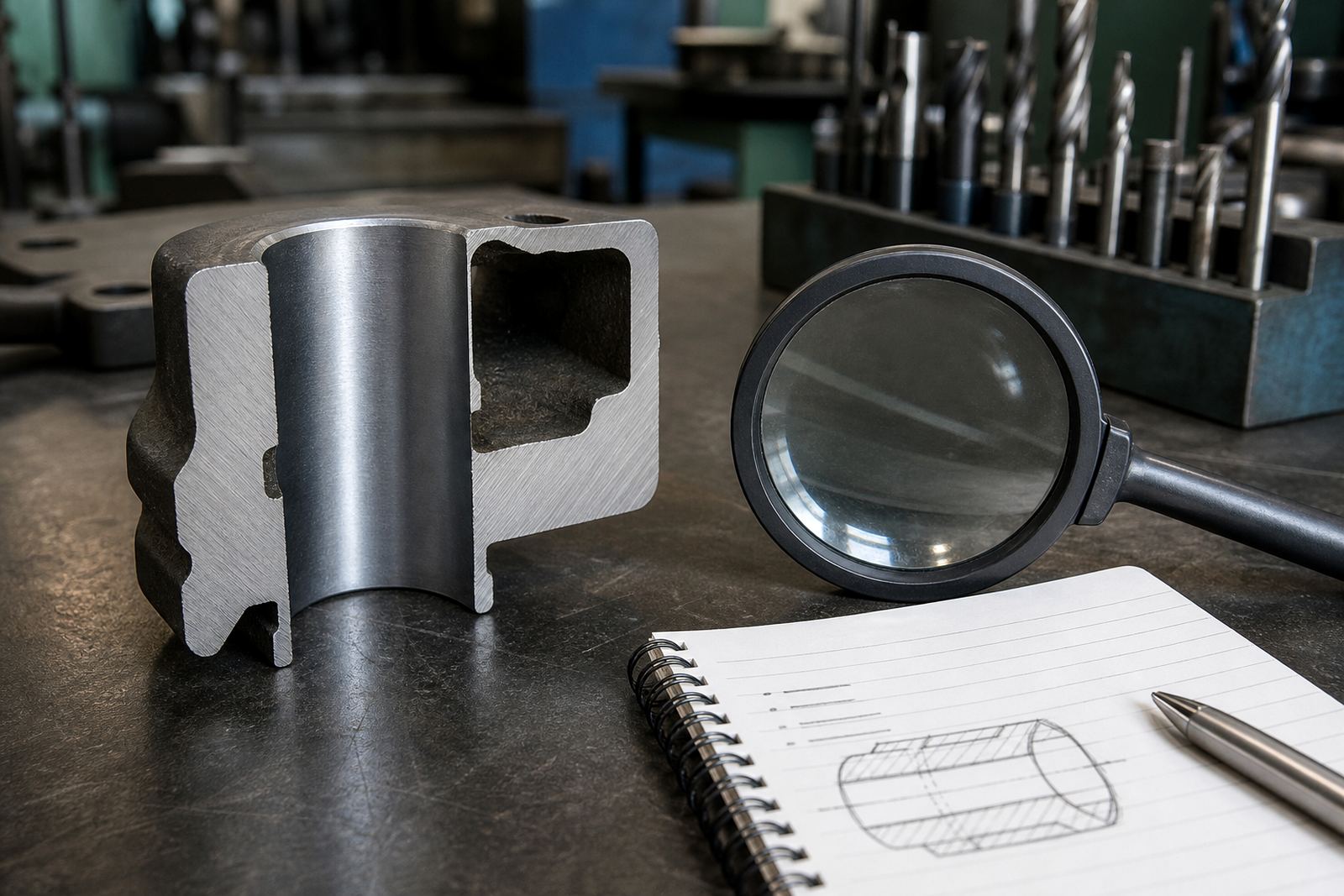
The cutting edge determines how the material is lifted, sheared and carried out of the hole. If the geometry is too aggressive for the job, the bore can show scoring and waviness. If the edge is worn or damaged, the finish often turns patchy and the machine starts working harder than it should. For long, straight holes in steel, stainless steel or other demanding materials, tool condition matters just as much as tool type.
Good tooling selection starts with the material, hole depth, diameter and finish expectation. A workshop cutting precision parts in Johannesburg may need a different setup from a maintenance shop in Durban working on heavy shafts or hydraulic components. The right tooling choice reduces rework, saves time and helps the operator hold a consistent finish from the first part to the last.
- Check cutting edges before every production run.
- Replace worn pads, guides or consumable inserts before finish quality drops.
- Match the tooling to the material grade, hole size and depth ratio.
- Keep tool holders clean and free from chips or residue.
Alignment and runout show up on the wall of the hole
If the tool does not enter true, the bore can drift or rub unevenly. That creates a finish that looks acceptable near the entrance but worsens as depth increases. Runout, spindle misalignment and poor part location can all show up as vibration, uneven cutting or marks inside the hole. This is one of the main reasons why machine installation and commissioning are worth doing carefully, rather than rushing the first production run.
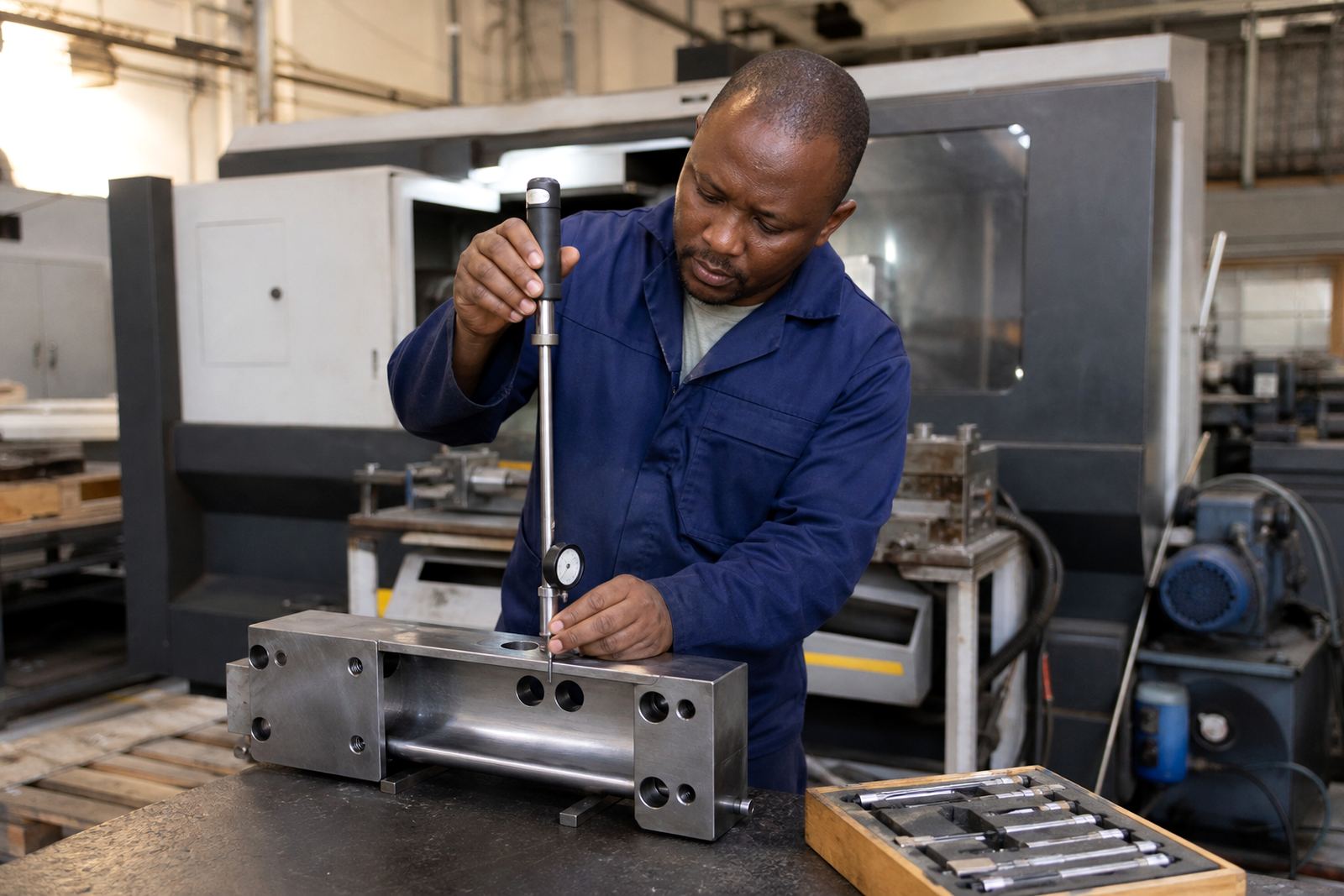
Alignment checks are not only for new machines. A deep-hole machine that has taken a knock, or one that has been running for years in a busy East Rand shop, can slowly move out of tolerance. Preventive maintenance helps here, because a small correction on a guide, spindle or support point is easier than rescuing a batch of parts with poor internal finish.
Coolant delivery matters more than many shops expect
In deep-hole drilling, coolant is doing several jobs at once. It cools the cutting area, carries chips out of the bore and helps stop the tool from rubbing. If flow is weak, dirty or poorly aimed, chips can recut and leave scratches on the bore wall. In coastal areas such as Cape Town and Gqeberha, where humidity and corrosion can be part of daily life, coolant management is even more important because system condition can change faster than expected.
A workshop should keep an eye on pressure, filtration and contamination. Coolant that looks fine at the tank may still be carrying fines, tramp oil or settled debris that affects finish. A clean system helps the tool cut more consistently and reduces the chance of a rough internal surface that needs extra finishing later.
- Inspect coolant lines for blockages, leaks and loose fittings.
- Check filtration and tank cleanliness on a regular schedule.
- Watch for signs of foaming, smell or surface contamination.
- Confirm that coolant reaches the cutting zone in a steady stream.
Feed, speed and chip control need close attention
Feed and speed are not just numbers on a setting sheet. They influence chip formation, heat, cutting pressure and how smoothly the tool tracks through the material. Too much feed can leave a rougher surface, while too little feed may cause rubbing and poor chip breakage. Either extreme can damage finish quality. The right balance depends on the machine, the tool and the job at hand.
Chip control is equally important. If chips are not clearing properly, they can mark the bore wall and create long scratches. In a busy production environment, operators often want to push output, especially when load-shedding or tight delivery schedules have already cut into the day. But in deep-hole work, chasing speed at the expense of control usually costs more in the end. A steadier process gives better repeatability and less rework.
Local production conditions can change the result
South African workshops work in varied conditions, from heavy fabrication floors in Johannesburg to precision engineering shops in Pretoria and Cape Town. Power interruptions, temperature swings, dust and long production runs all affect machine behaviour. A bore that finishes well in the morning may change later in the day if coolant warms up, the machine settles, or the operator has to restart after a power cut. That is why process control matters so much on local shop floors.
For one Benoni manufacturer working on deep bores for a production line component, the finish problem was traced to a combination of worn tooling, poor chip evacuation and a slight alignment shift after repeated stoppages. Once the setup was corrected, coolant delivery was checked and the machine was commissioned properly for the job, the internal surface became far more consistent. It was not one big fix. It was several small ones done in order.
The practical lesson is simple: finish quality is usually the product of the whole process, not a single machine setting. If the bore wall is telling you something, it is worth listening before the job runs out of tolerance.
What to check before the next deep-hole run
Before starting a new batch, a workshop can save time by working through a short checklist. It does not need to be complicated, but it should be consistent. The aim is to remove the small faults that cause surface problems later in the bore.
- Confirm the part is clamped securely and square.
- Inspect the tool, guides and cutting edge for wear.
- Check alignment and machine condition before cutting.
- Make sure coolant delivery is clean and properly directed.
- Review feed and speed settings for the material and depth.
- Keep the operator informed on expected chip behaviour and finish targets.
Where a shop needs support with machine installation, commissioning, tooling selection, setup optimisation, operator training or breakdown support, getting help early can prevent poor finish from becoming a recurring issue. In deep-hole work, a careful start usually gives the cleanest result.