Start With a Clean Setup Before the First Cut
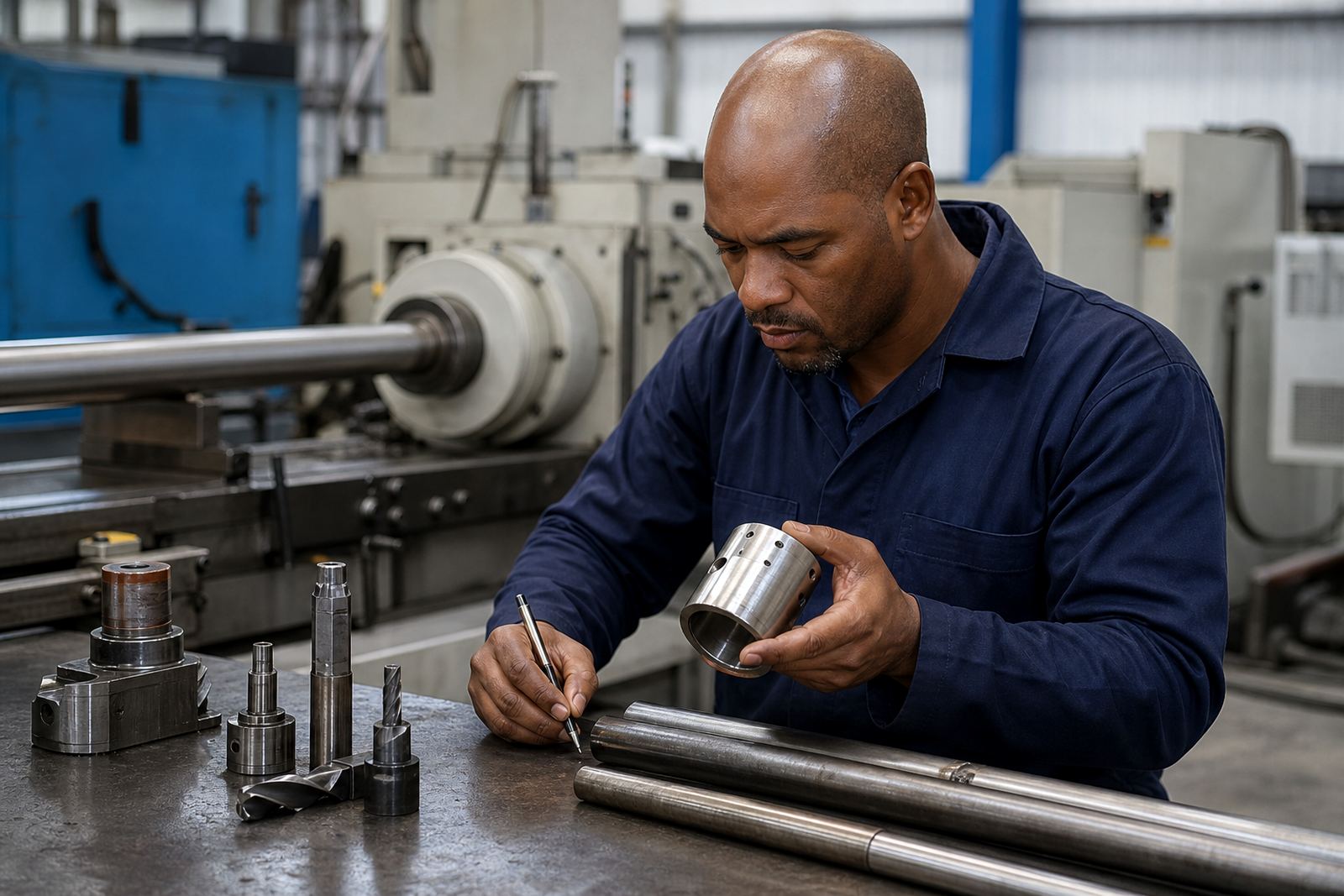
Tooling wears faster when it is introduced to dirt, swarf and loose chips at the start of a shift. Before loading a gun-drilling or deep-hole boring tool, wipe down the holder, check the seating surfaces and clear the work area so the tool does not begin its life in a dirty condition. This sounds basic, but on busy floors in Benoni, Johannesburg and Pretoria it is often the small housekeeping habits that save a cutting edge.
A clean setup also makes it easier to spot early problems. If a holder is not sitting square or a component has picked up damage during handling, you will often catch it before the first part goes wrong. Keep the same standard for every changeover, even when the job looks straightforward.
- Remove chips from the previous job before loading the next tool
- Check seating faces for nicks, burrs and rust
- Handle cutting tools with gloves or clean cloths, not oily hands
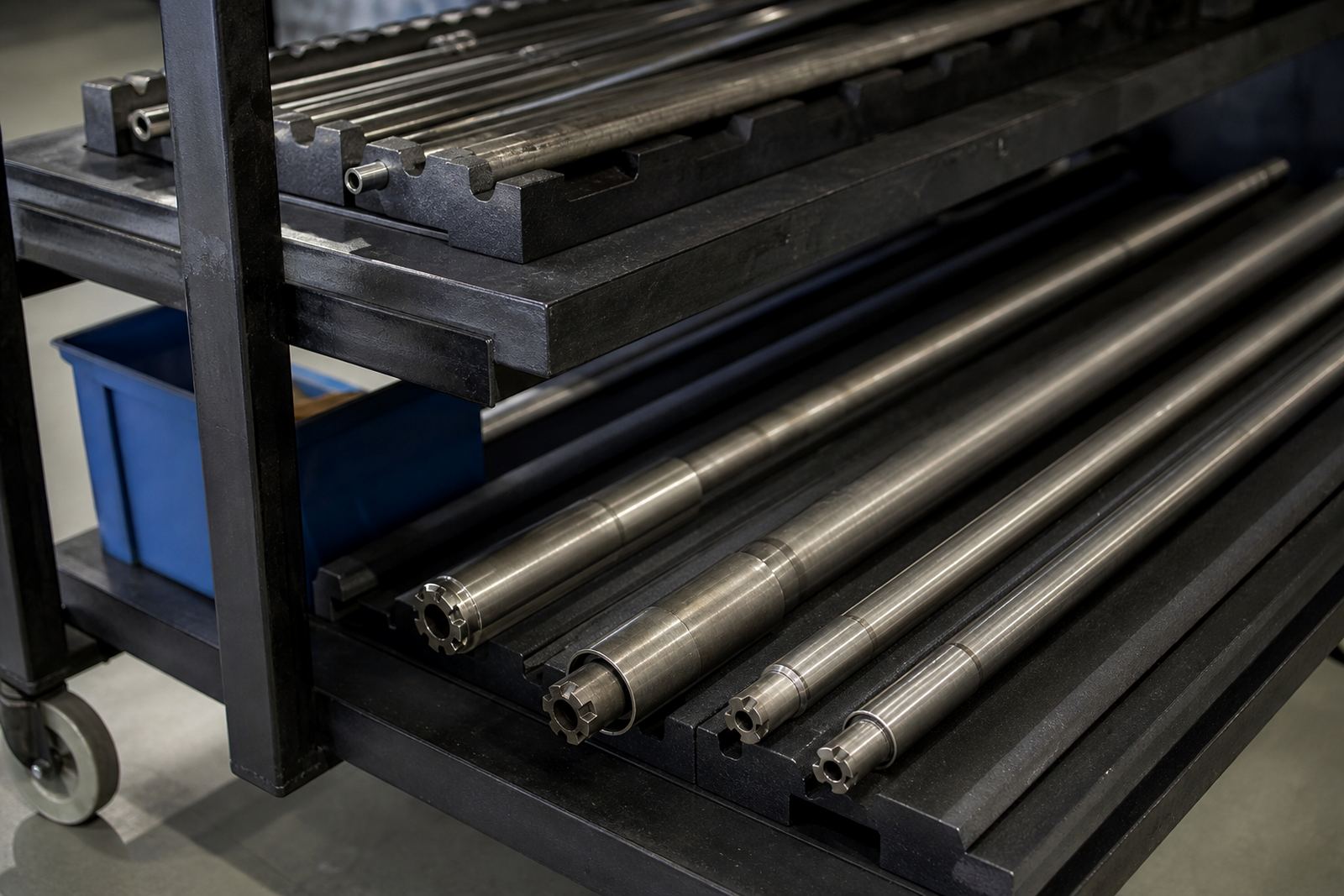
- Store backup tooling in a dry cabinet away from grinding dust
Treat Coolant as Part of the Tooling System
For deep-hole work, coolant is not just a consumable. It carries heat away, helps clear chips and supports consistent cutting conditions inside the hole. If the coolant is weak, contaminated or poorly directed, the tool starts working harder than it should. That shortens life and can make the bore finish drift before the operator notices.
In coastal areas such as Durban and Gqeberha, moisture and airborne contamination can affect coolant condition faster than many shops expect. Inland, the challenge is often fine shop dust, tramp oil and neglect after load-shedding interruptions. Keep a routine for checking concentration, filtration and flow direction. Francois du Plessis on the service side will usually tell you the same thing: if the coolant system is left to drift, tooling pays for it first.
- Check coolant concentration on a fixed schedule
- Inspect filters and screens for blockage
- Confirm flow reaches the cutting zone properly
- Clean tanks and lines before sludge builds up
Keep Feed, Speed and Chip Control Consistent
Tooling life improves when the cutting conditions stay stable. Sudden changes in feed, speed or pecking behaviour can shock the edge and cause premature wear. The operator may only see a small change on the control panel, but the tool feels every bit of it. That is why setup optimisation matters so much in production, especially where the same tooling is expected to perform shift after shift.
Johan Smit often focuses on the relationship between chip evacuation and tool load. If chips are not leaving the hole cleanly, the tool is recutting material and the edge is doing extra work. Once that happens, wear becomes uneven and the bore can start to show signs of chatter or taper.
- Record the settings that produce the best finish and tool life
- Avoid changing parameters mid-run unless there is a clear reason
- Watch chip shape and colour for early signs of trouble
- Review the first-off part before committing to long production runs
Inspect Wear Before It Turns Into Scrap
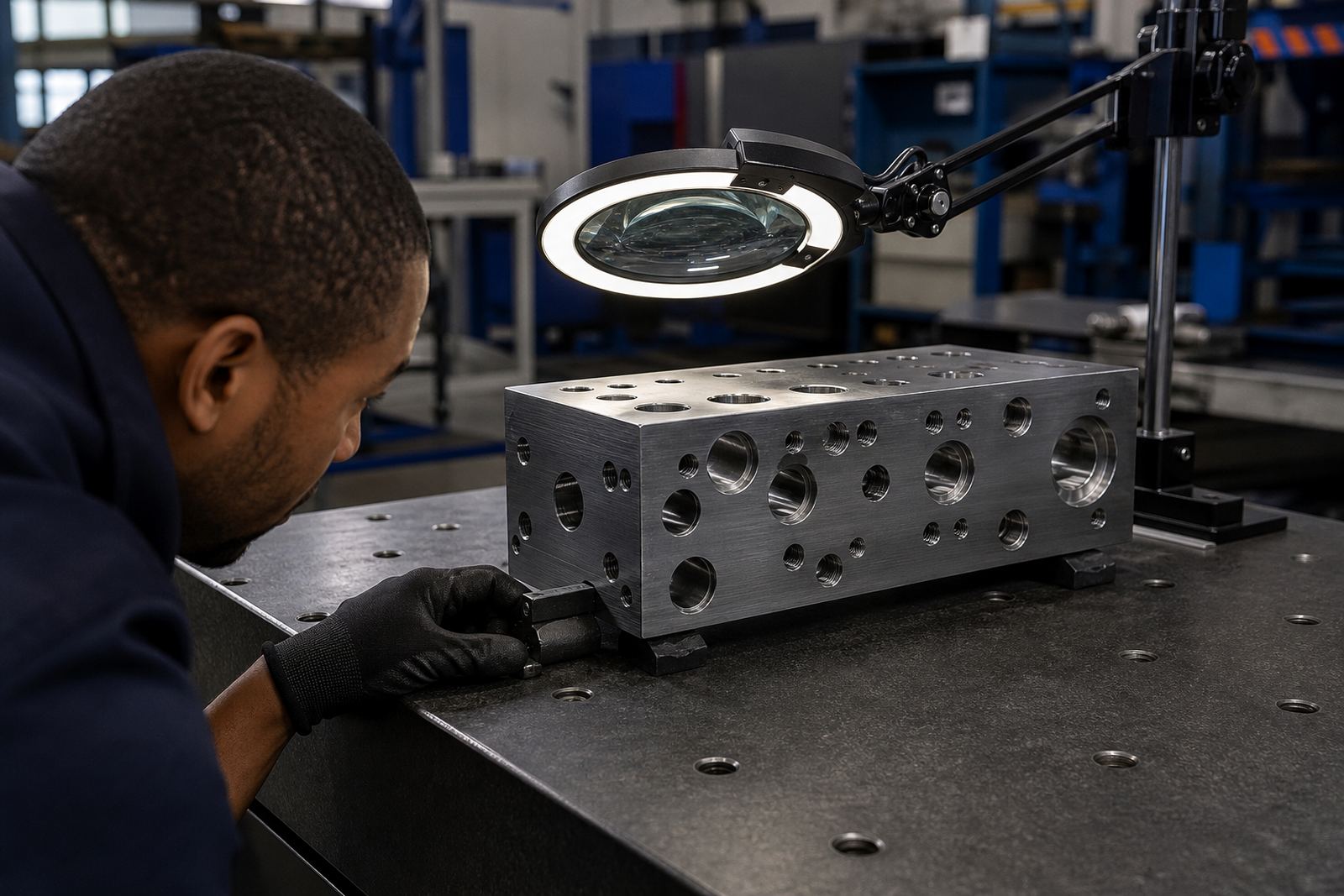
Many shops wait too long before removing a tool from service. By the time edge wear is obvious to the naked eye, the part quality has often already started to move. Routine inspection is a cheaper habit than rework. It also gives the team a clearer picture of how long a tool really lasts in a specific job, rather than guessing from memory.
Look for signs that appear early: a change in sound, a light increase in spindle load, a slightly rougher finish or chips that no longer look as uniform as before. In production, those details are useful. They let the team plan a change before the tool fails in the hole and interrupts the shift.
- Inspect cutting edges at every planned changeover
- Keep used tooling separate from ready-to-run tooling
- Track wear patterns by job, material and operator shift
- Replace small damaged components before they affect the full tool
Train Operators to Protect Tooling on Every Shift
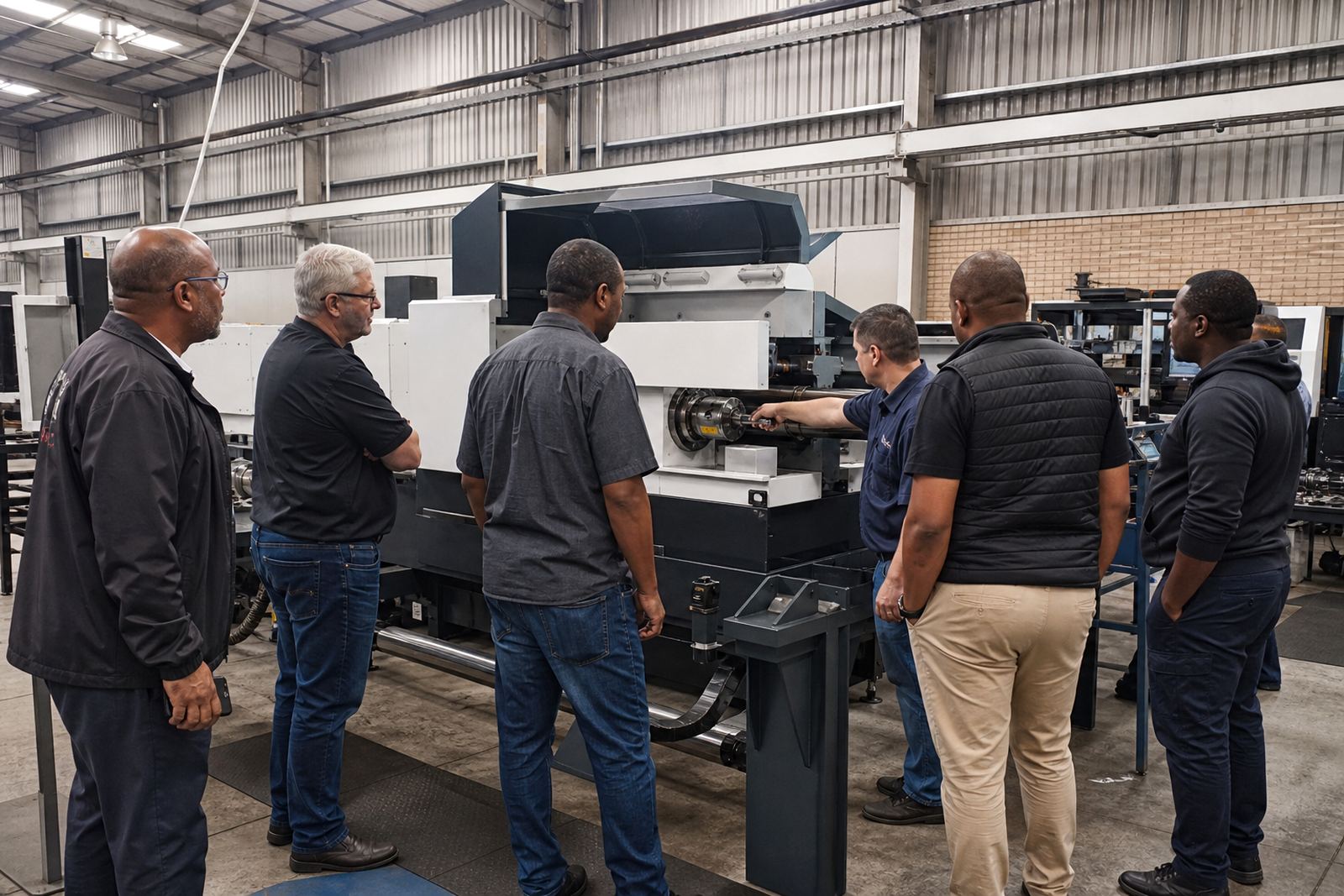
Tooling does not suffer only from cutting. It also suffers from handling errors, poor setup and rushed resets. A new operator may not know how easily a deep-hole tool can be damaged during installation or how quickly a small misalignment can shorten life. That is why training matters as part of everyday production, not just during commissioning.
Leanne Naidoo’s training approach is practical: show the team how to recognise early warning signs, how to handle tooling correctly and how to respond when the machine starts behaving differently. Once operators understand what the tooling is telling them, they make better decisions on the floor. That helps reduce avoidable wear and keeps production steadier.
- Teach correct handling, storage and fitting methods
- Make sure operators know what normal chip flow looks like
- Show the team how to spot alignment drift and coolant issues
- Use the same checklist on all shifts, not just day shift
Plan Maintenance Around Production, Not the Other Way Round
Tooling lasts longer when the machine around it is in good condition. Alignment checks, coolant system service and preventive maintenance all support the life of drilling tooling because they keep the process predictable. When these tasks are delayed, the tool starts compensating for mechanical problems it was never meant to carry.
For shops in Gauteng, the practical challenge is often time. Orders move, power interruptions happen and maintenance gets pushed to the next available slot. But a short planned stop is usually less costly than a broken tool, a poor bore or an emergency breakdown call. Noluthando Dlamini and Sibusiso Khumalo regularly see the difference that a steady maintenance routine makes in the field.
If you are running gun-drilling or deep-hole boring work across Johannesburg, Pretoria, Durban, Cape Town or Gqeberha, the best habit is to treat tooling care as part of production planning. The machine, coolant and operator all affect tool life. Keep that routine tight and the tooling will usually return the favour.