Start With the Machine, Not the Job Sheet
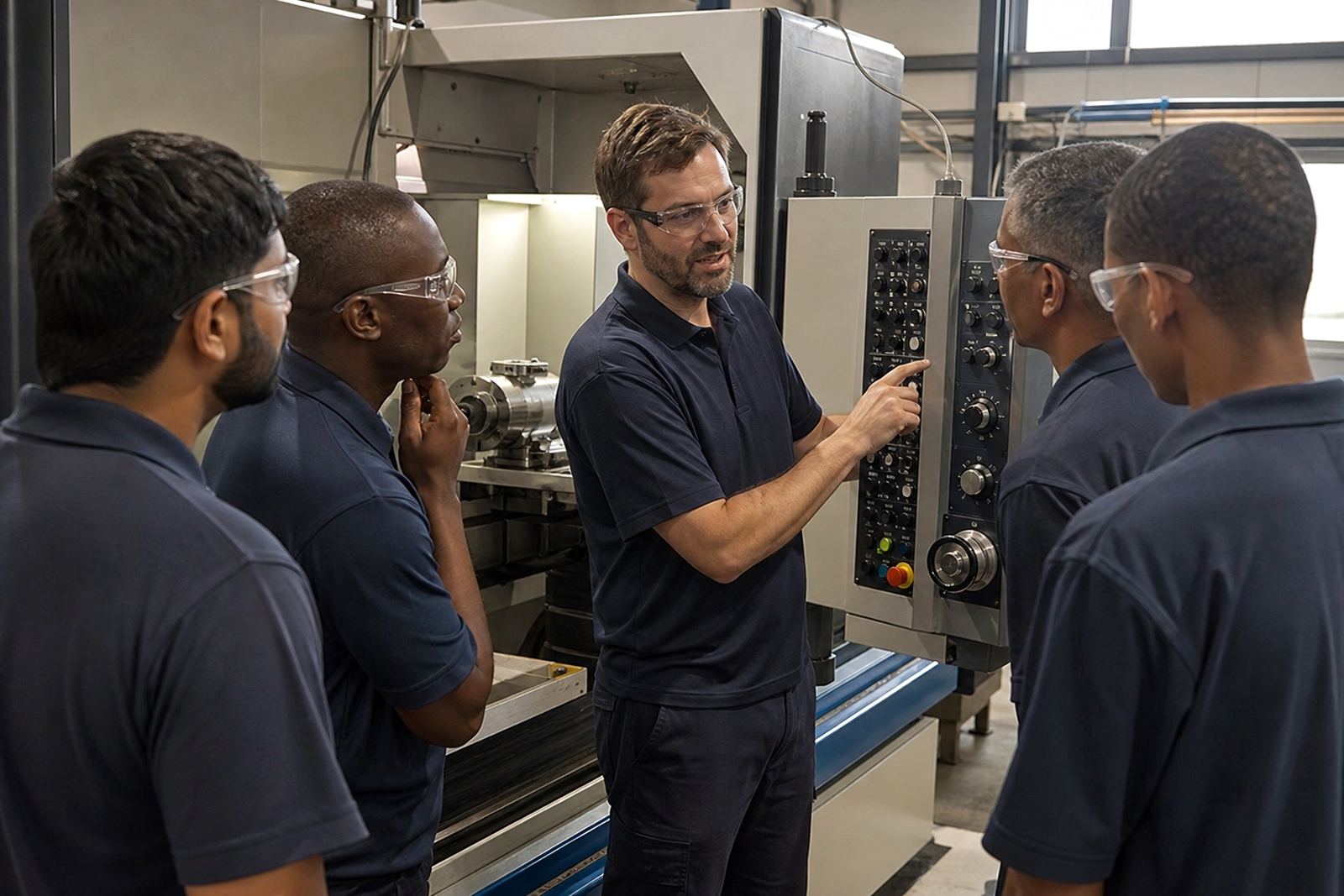
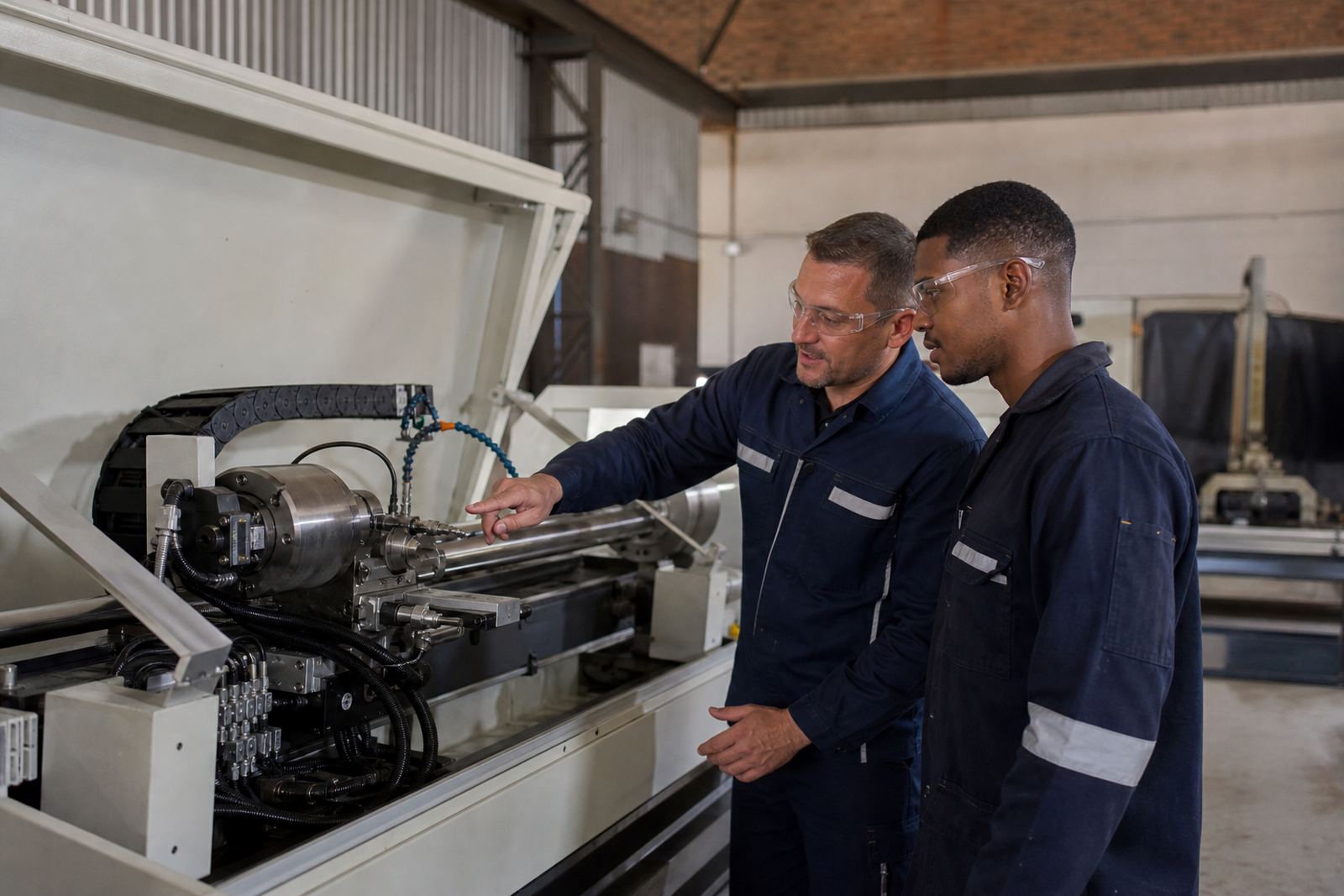
Before a new operator runs a part, they need to understand how the machine behaves when it is idle, under load and during a stop-start day. Deep-hole drilling and boring are not forgiving if the basics are skipped. The first session should cover machine layout, controls, clamping points, lubrication, coolant flow and the reason each check exists.
At Deephole, we find it works best when the trainer walks the operator through the machine in the same order they will use it. That means pre-start checks, setting up the workpiece, selecting tooling, confirming alignment and only then beginning the cycle. It sounds simple, but it prevents a lot of trouble later.
- Show the operator where wear is most likely to appear.
- Explain what normal noise and vibration feel like.
- Teach the shutdown routine as carefully as the start-up routine.
Teach Setup Discipline Before Production Pressure Builds
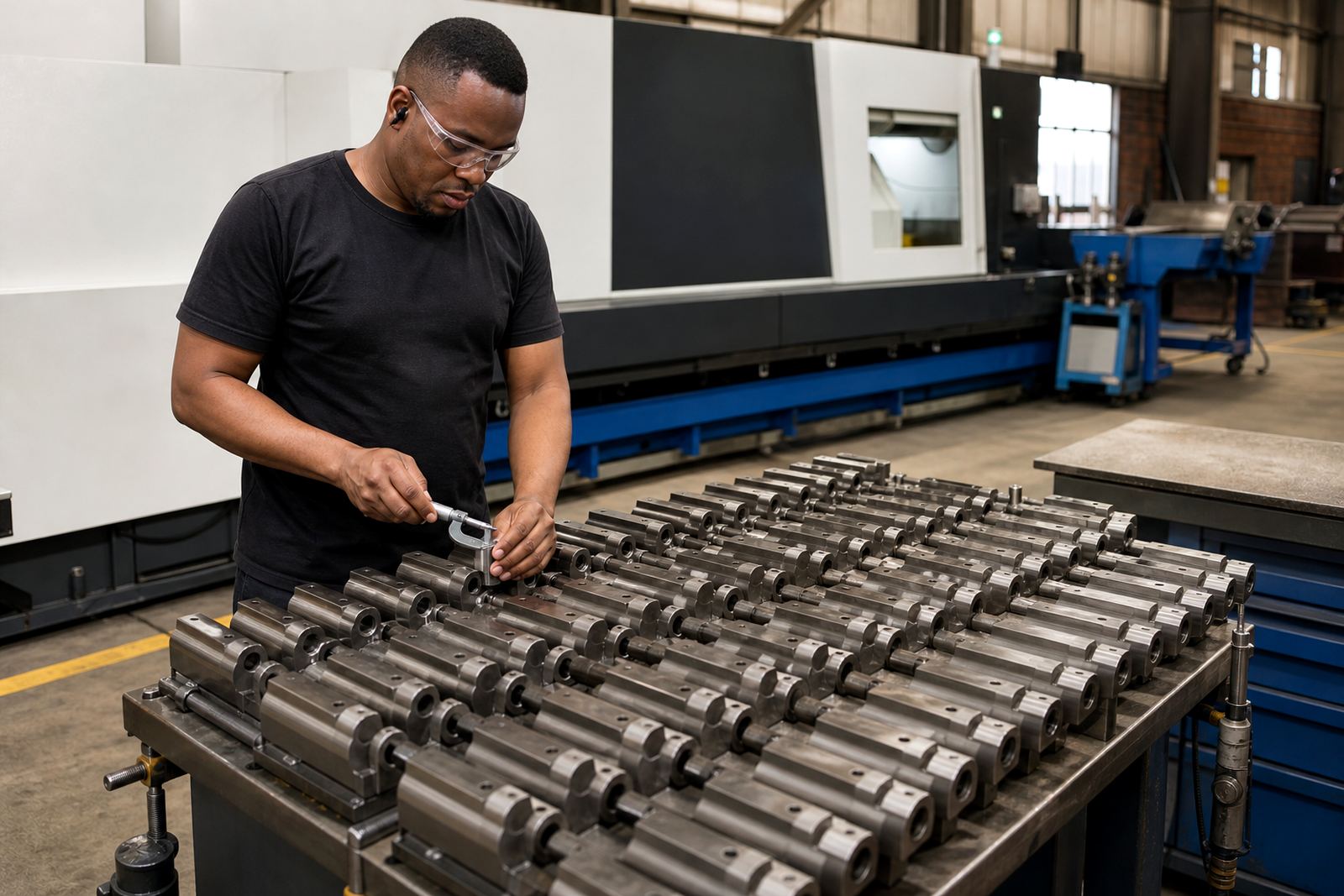
Most errors happen before the first cut, not during it. A new operator must know how to clean the work area, inspect the machine, prepare tooling and confirm that the job can run as planned. If the setup is rushed, the rest of the shift usually follows the same pattern.
Training should include how to read the job traveller, check the material condition and verify the correct drill or boring tool for the application. In shops around Benoni, Johannesburg and Pretoria, we often see teams working under time pressure after a load-shedding interruption or a late material delivery. That is exactly when a clear setup process pays off.
- Clean and inspect the machine before every setup.
- Check coolant condition and flow before cutting begins.
- Confirm clamping, alignment and tool location before the first cycle.
- Record anything unusual so the next shift can pick it up.
Use Simple Checks to Build Operator Confidence
A new operator does not need a long lecture on theory before they can become useful. They need a repeatable routine with clear checks. The best training is practical, hands-on and closely supervised until the operator can complete each step without missing details.
We recommend short practice runs on non-critical parts where possible, especially for shops setting up a new machine or bringing in staff from general machining. Let the operator learn how the feed sounds, how the tool behaves, and what happens when the process needs adjustment. Confidence grows when the person knows what to look for and who to call when something changes.
Good trainers also explain the warning signs of poor setup: unusual chatter, poor chip control, heat build-up, surface issues and drifting alignment. Once the operator can recognise these early, the machine spends less time recovering from mistakes.
Safety Habits Must Be Part of Every Shift
Deep-hole machines demand respect. Operators should never be left guessing about guards, lockout steps, rotating parts or safe handling around tooling and coolant systems. Safety training is not a separate talk at the end. It should be built into every instruction from the first day.
For many South African sites, the practical issues are everyday ones: wet floors after coolant clean-up, noisy bays, limited space around the machine and the need to keep work moving during municipal power changes. Training must fit that reality. The operator should know how to stop the machine safely, isolate it, and report a fault before it becomes a bigger problem.
- Wear the correct PPE for the task and the area.
- Keep hands clear of moving parts and sharp edges.
- Never bypass a guard or safety interlock.
- Use the correct lifting and handling method for heavy components.
Link Training to Tooling and Process Support
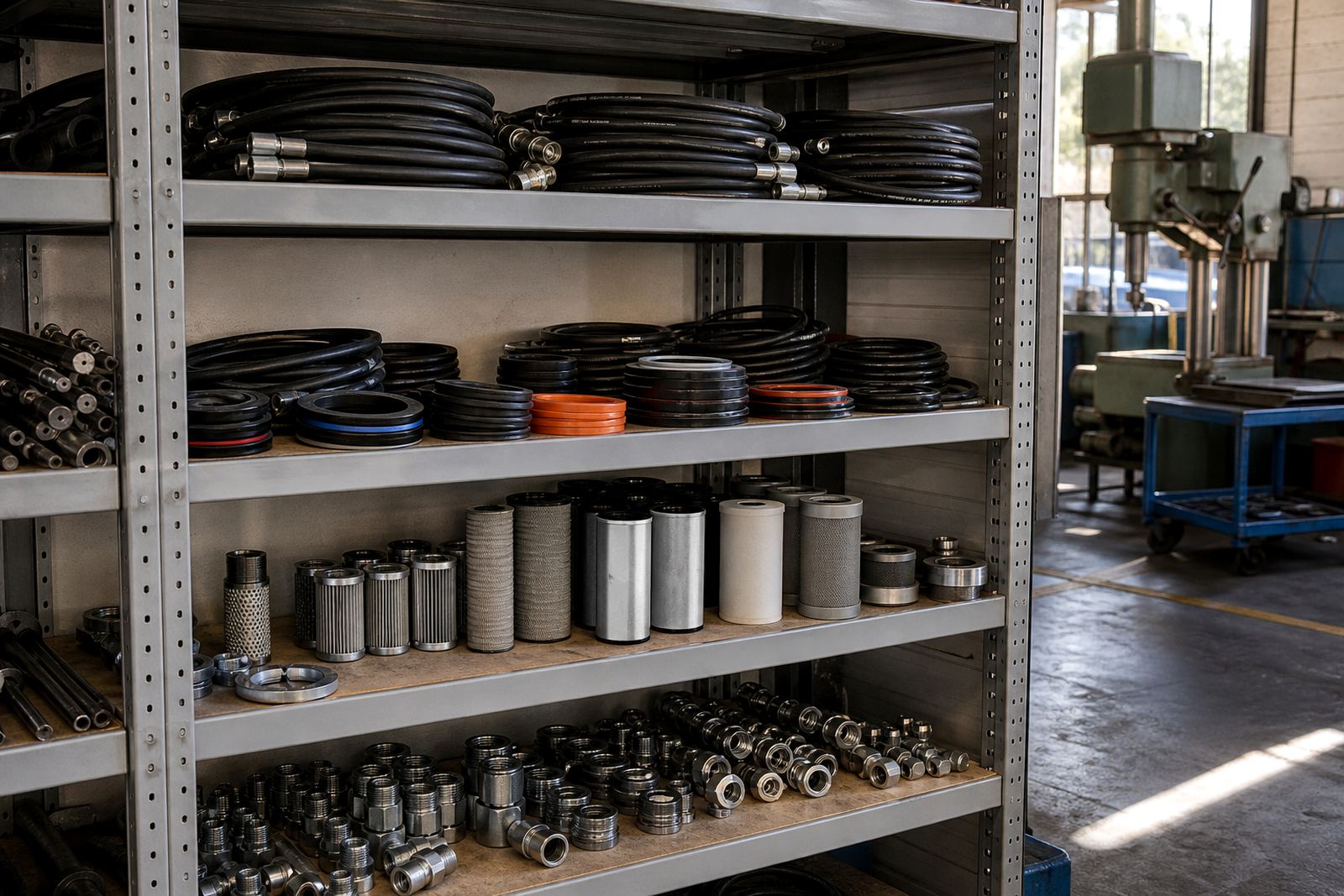
Operators do better when they understand that tooling choices are part of the process, not just an inventory item. If the wrong drill, guide or support method is used, the machine will not deliver the same result. Training should therefore include basic tooling selection, handling and inspection, plus when to ask for applications support.
At Deephole, the aim is to help teams in manufacturing and engineering shops use the right setup from the start. That may mean adjusting the process, improving the order of operations or checking whether the tooling package matches the material and the hole requirements. A new operator does not need to make those decisions alone, but they do need to know how to spot when something is not right.
It also helps to create a simple handover note for each machine, so the next shift knows what was changed, what was tested and what still needs attention. That small step saves a lot of time in busy plants.
Keep Skills Current After the First Week
Training should not stop once the operator can run the machine without help. The real gain comes from follow-up. A short review after the first week, then again after the first month, helps catch habits that drift over time. It is easier to correct small issues early than to fix a pattern later.
Our support team in Benoni works with shops across Gauteng, Durban, Cape Town and Gqeberha to keep operators steady after commissioning and startup. That support may include process troubleshooting, preventive maintenance guidance, breakdown support or a refresher on tool setup. When staff change or production shifts, a quick training update keeps the machine working at the pace the shop needs.
A practical training plan is not fancy. It is clear, repeatable and suited to the real conditions of the workshop. That is what keeps new operators safe and productive.