When a drilled hole is close, but not good enough
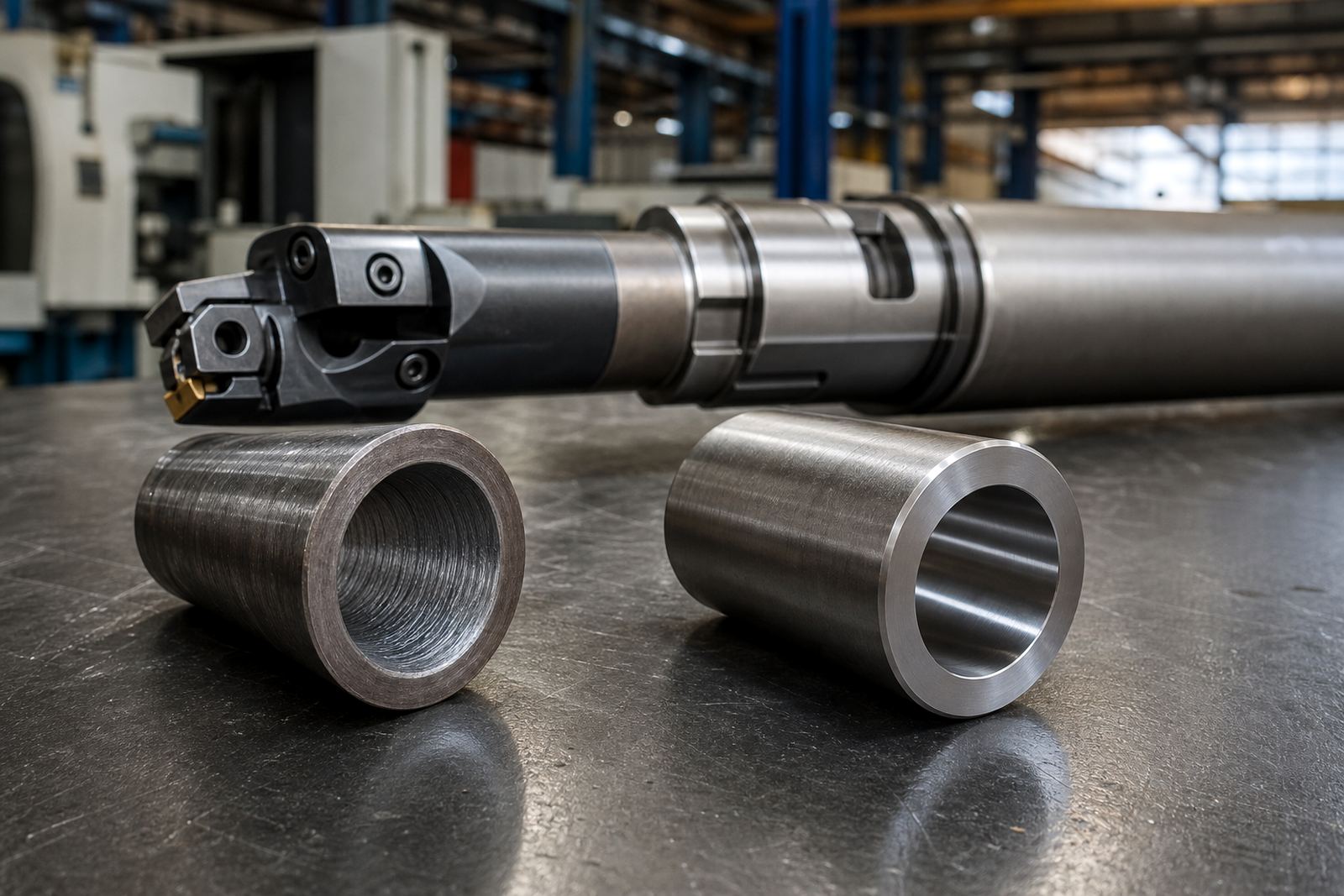
Drilling can get you started, but it does not always leave the bore where it needs to be. If the hole wanders, opens out unevenly or shows a rough internal finish, deep-hole boring can clean up the result without scrapping the workpiece. That is often the practical choice when the base material is expensive, the component is already machined on other faces, or the part is too valuable to start again.
In shops around Benoni, Johannesburg and Pretoria, this comes up on parts that have already had time and material invested in them. A machined housing, shaft component or long body may only need the hole corrected rather than replaced. Boring gives the team control over size and alignment, and it can be the difference between a part that nearly works and one that actually goes into service.
Signs the original drilling needs correction
There are a few common signs that a drilled hole should be bored instead of pushed through to the next operation. The first is inconsistency. If the hole changes size along its length, the next process may struggle to hold tolerance. The second is poor straightness, especially on deeper holes where drift builds up as the drill goes further in.
Another sign is surface condition. A rough bore can affect sealing, bearing fit, fluid flow or tool life later in the process. In some cases the issue only shows up after inspection, when gauges or test fits reveal that the hole is not doing what the drawing calls for.
- Hole diameter varies more than expected through the depth
- Tool marks or chatter are visible inside the bore
- The hole is out of line with mating features
- There is an issue with fit, sealing or concentricity
- The workpiece must be saved rather than remade
Why boring is often better than starting over
Starting again is sometimes the right call, but not always. When a part has already gone through turning, facing, clamping and marking, remachining can take time and add risk. Deep-hole boring lets the workshop recover the part in a controlled way, which is often cheaper than scrapping a large component. It also helps when the material is hard to replace or when lead times are tight.
For South African manufacturers working against production schedules, that matters. Load-shedding, municipal interruptions and shifting shifts can all interrupt machine time, so wasting a workpiece hurts more than it should. Boring helps a team keep moving by making better use of the part already on the machine.
- Less wasted material on expensive components
- Better control over final bore condition
- Useful when the part is already partly finished
- Can help preserve critical reference faces
- Reduces the pressure to rework the entire job
Where boring helps in real workshop work
Deep-hole boring is not only for new build jobs. It is also used when an existing hole must be corrected for later assembly or service life. That can include hydraulic parts, long bodies, tooling components, machine frames and other items where a drilled hole has to perform under load, pressure or repeated use. If the hole is part of a system, the quality of that bore affects everything downstream.
A common local example is a Pretoria engineering shop making a long component for a plant repair. The drilled hole came through, but inspection showed drift and a rougher finish than the customer wanted. Rather than remake the body, the shop set it up for boring, corrected the hole and moved the part into assembly. That saved time, and it kept the job within the day’s production plan.
Setup, alignment and tooling decide the result
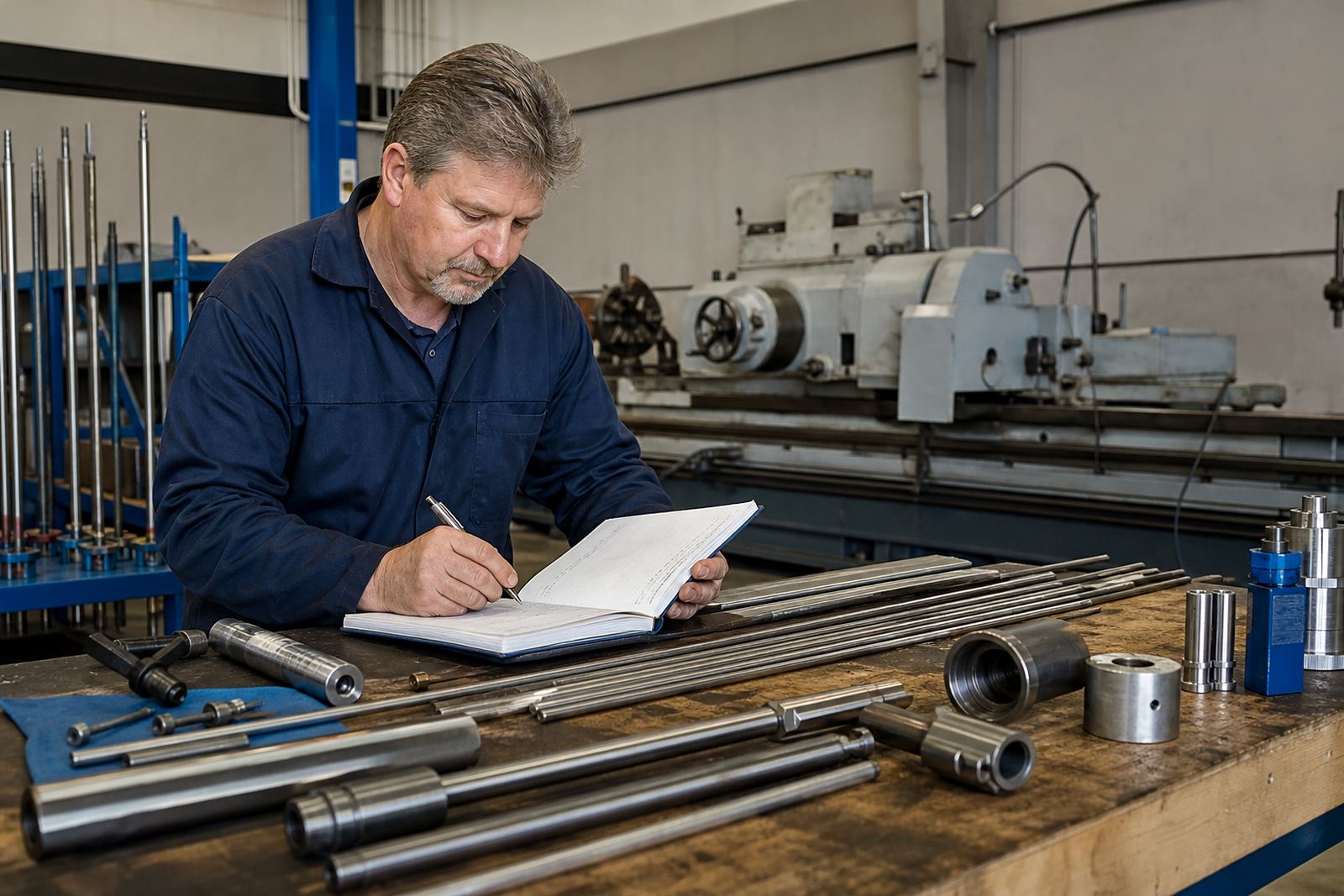
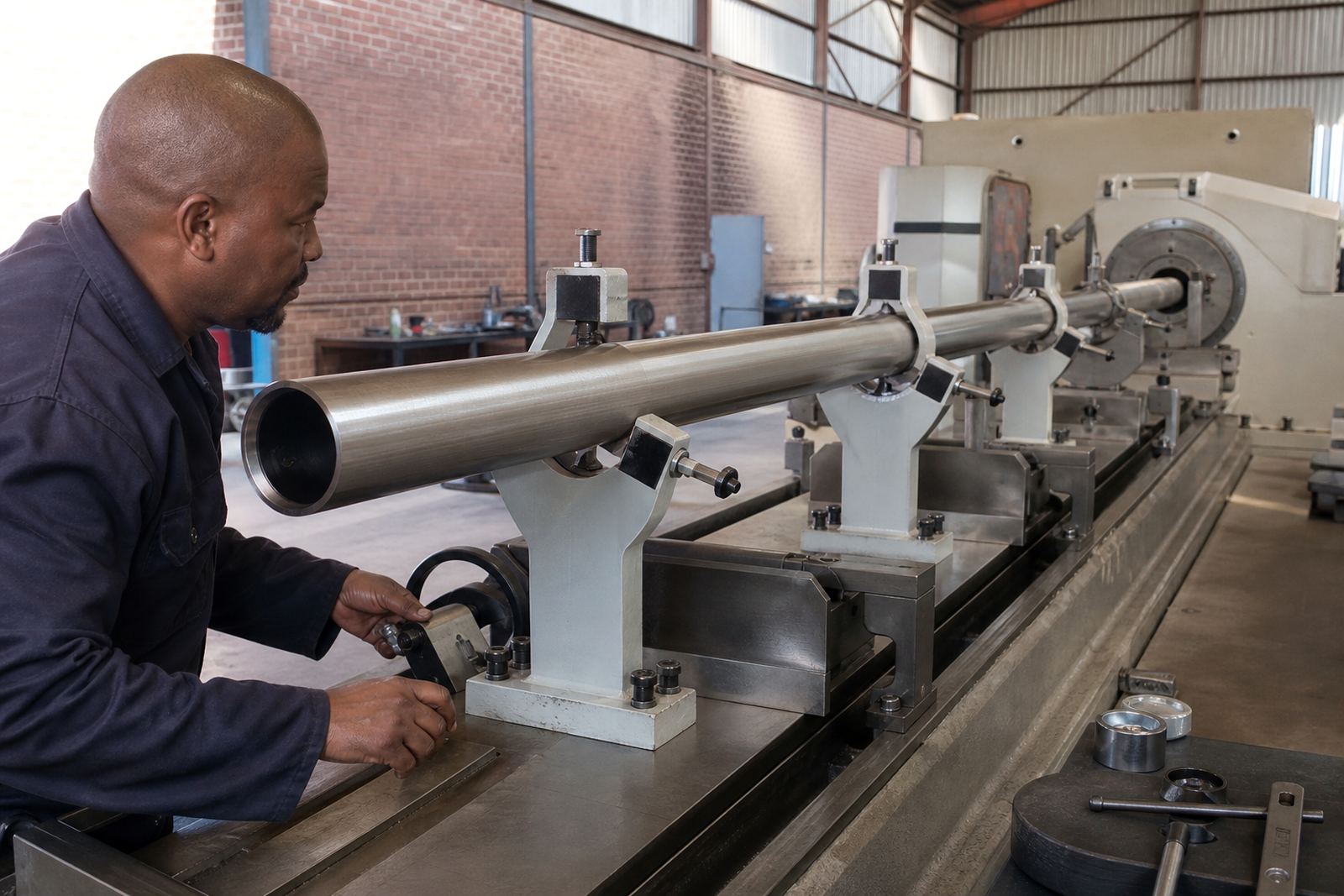
The success of boring depends on setup just as much as the machine itself. If the workpiece is not held correctly or the alignment is off at the start, the hole will only be corrected as far as the setup allows. That is why tooling choice, clamping method and reference checks matter so much. A small issue at the start can show up badly at depth.
Our team works with manufacturers and engineering shops on machine installation, commissioning, tooling selection and setup optimisation. That includes alignment checks, process troubleshooting and production startup. When a bore is already there, the right setup helps the boring process follow the existing hole cleanly instead of chasing it around the part.
- Check the existing hole before committing to the next pass
- Confirm clamping and support on the full component
- Match tooling to the material and the job requirement
- Verify alignment before cutting begins
- Review coolant flow and chip removal during the process
Support matters when the job is already in motion
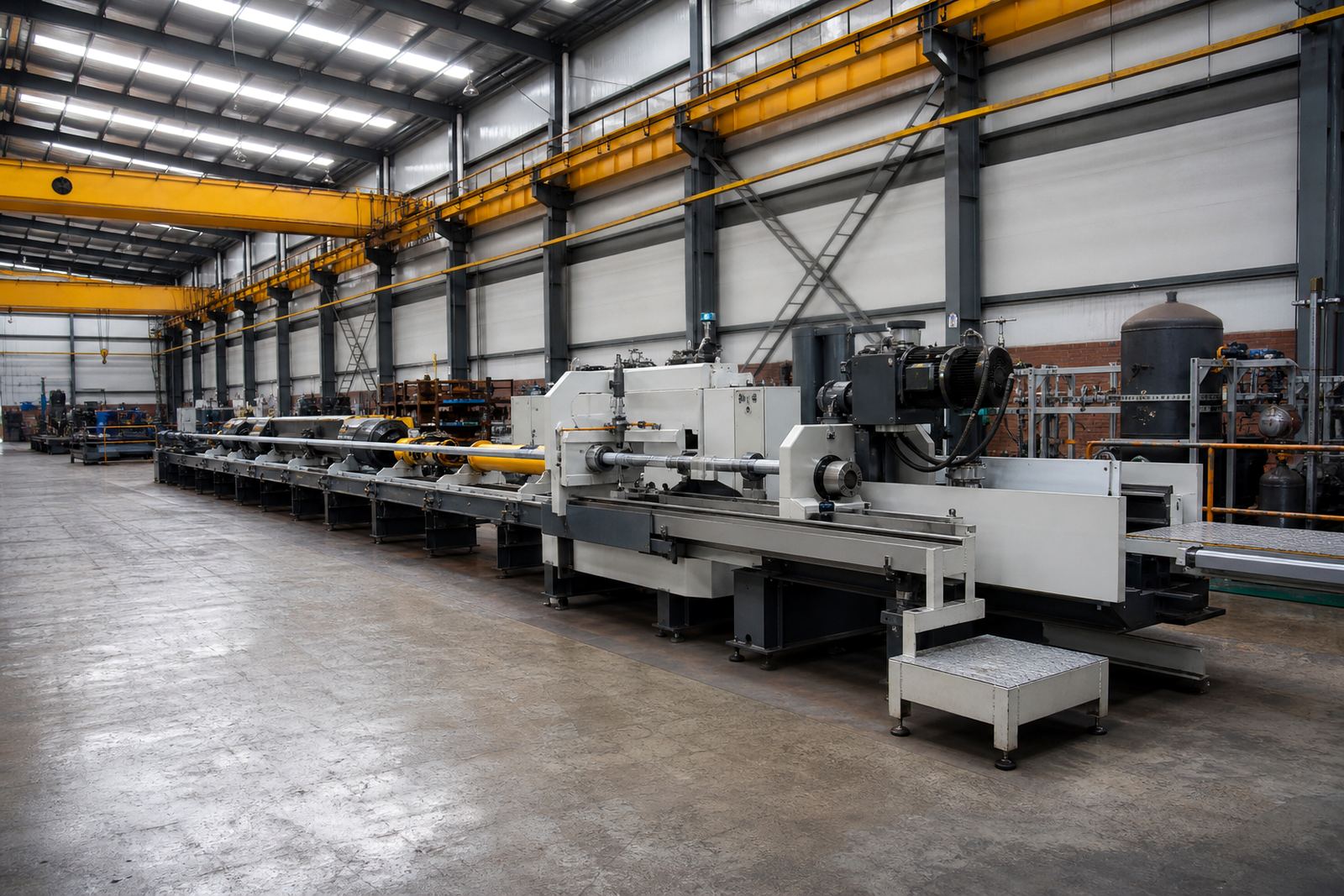
Deep-hole work does not forgive guesswork. If the hole starts to go off line or the finish changes during the run, the response needs to be practical and quick. That is why support around the machine is as important as the machine supply itself. Preventive maintenance, coolant system service, spare parts support and breakdown support all help keep the job on track.
In our Benoni base, Deephole supports customers across Gauteng and into Durban, Cape Town and Gqeberha through the enquiry form on the contact page. Whether the need is machine commissioning, operator training, process troubleshooting or a service visit, the focus stays on getting the bore back under control and the line back into production.
When to ask for help before the next cut
If the first drilled hole is already giving trouble, do not assume the next pass will sort it out by itself. Ask for support when the part is critical, the material is costly or the hole must meet a tighter fit than the drill can provide. A short review before the next cut can save a whole batch from carrying the same error.
Deephole’s approach is straightforward: look at the hole, look at the setup, and decide whether boring is the better route. In many cases it is the cleaner option, especially where the component must work first time and there is no room for guess work.
For the right job, boring is not extra work. It is the fix that makes the drilled hole usable, accurate and ready for the next stage.