
Rustenburg Mining Work That Needed More Than Standard Machining
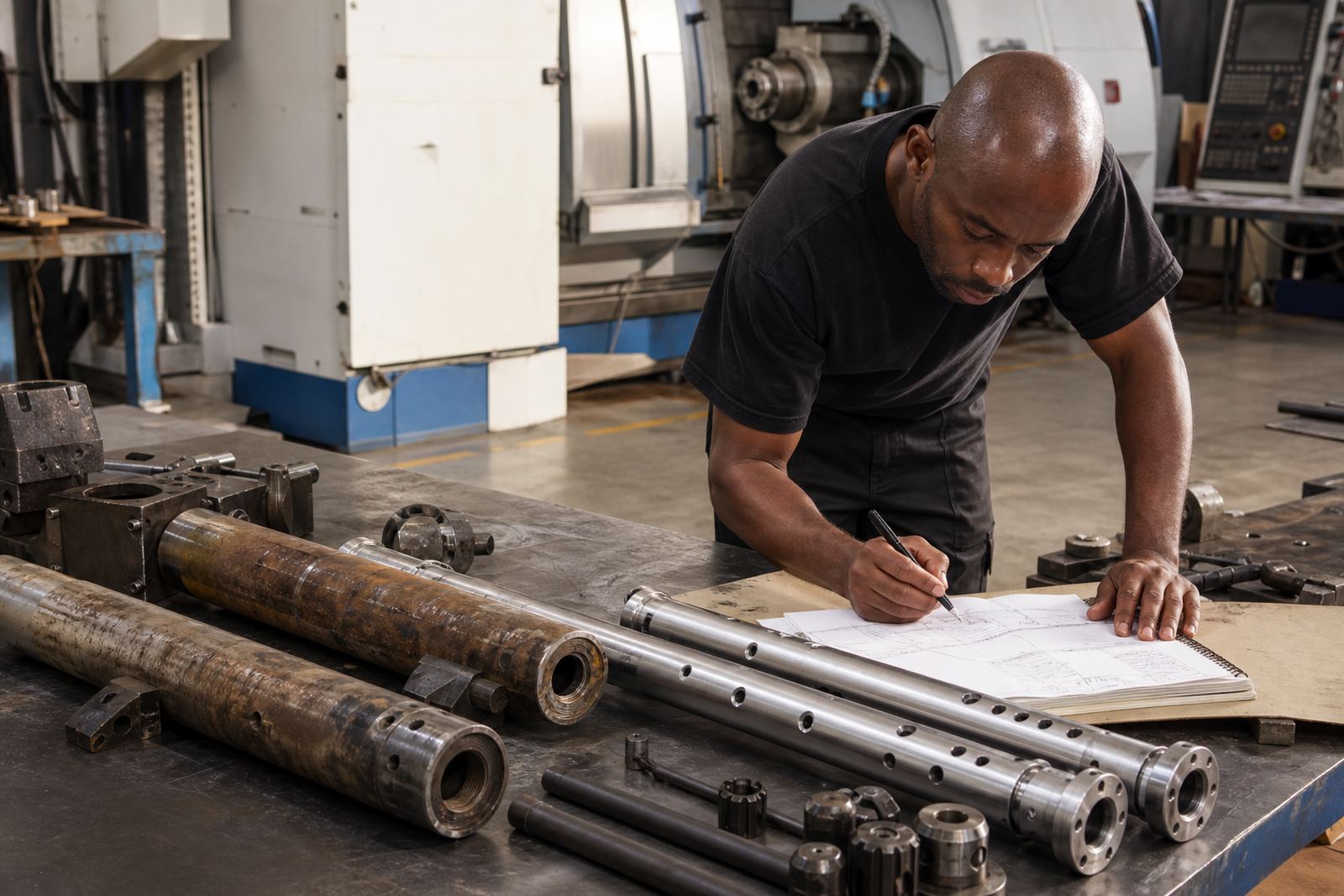
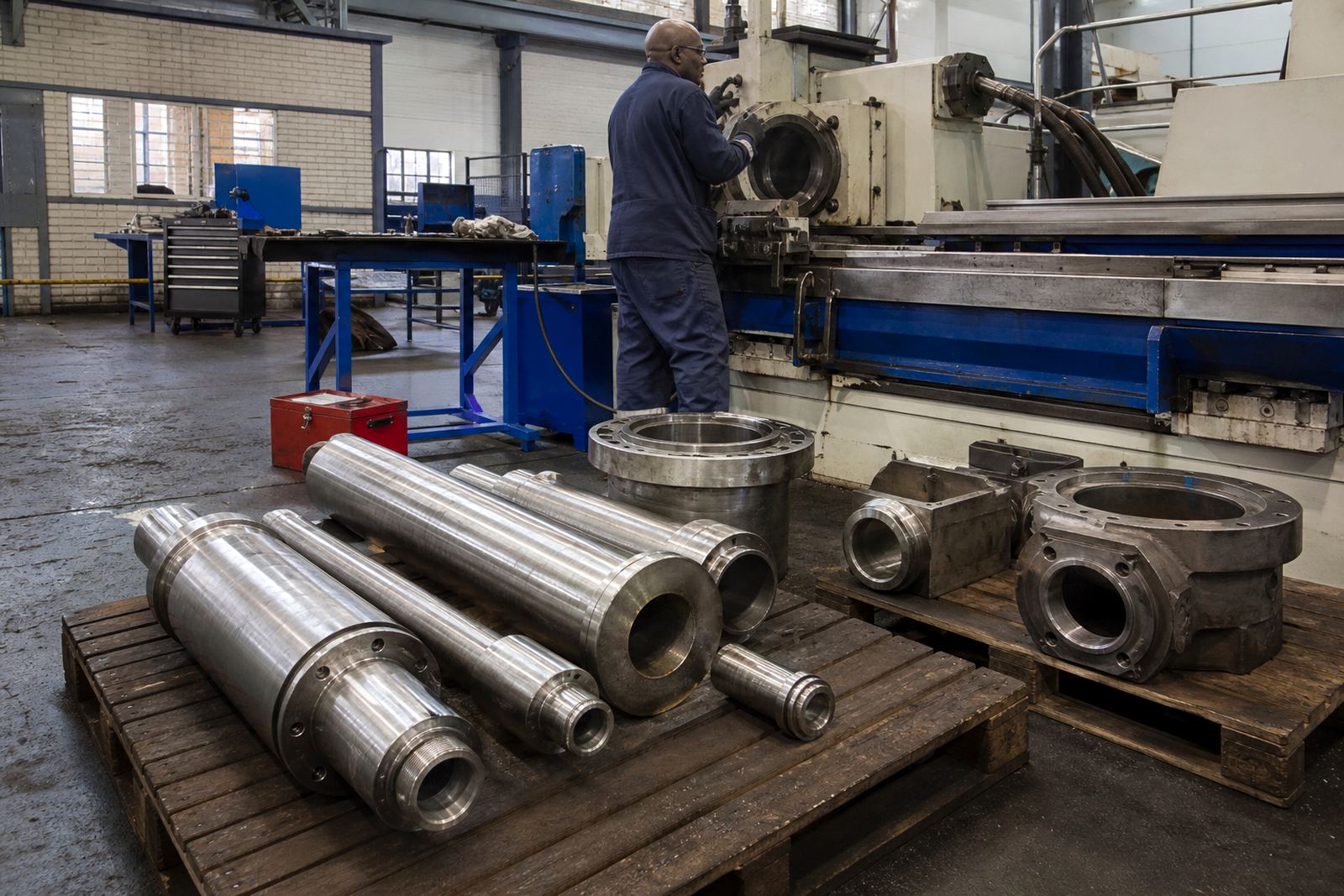
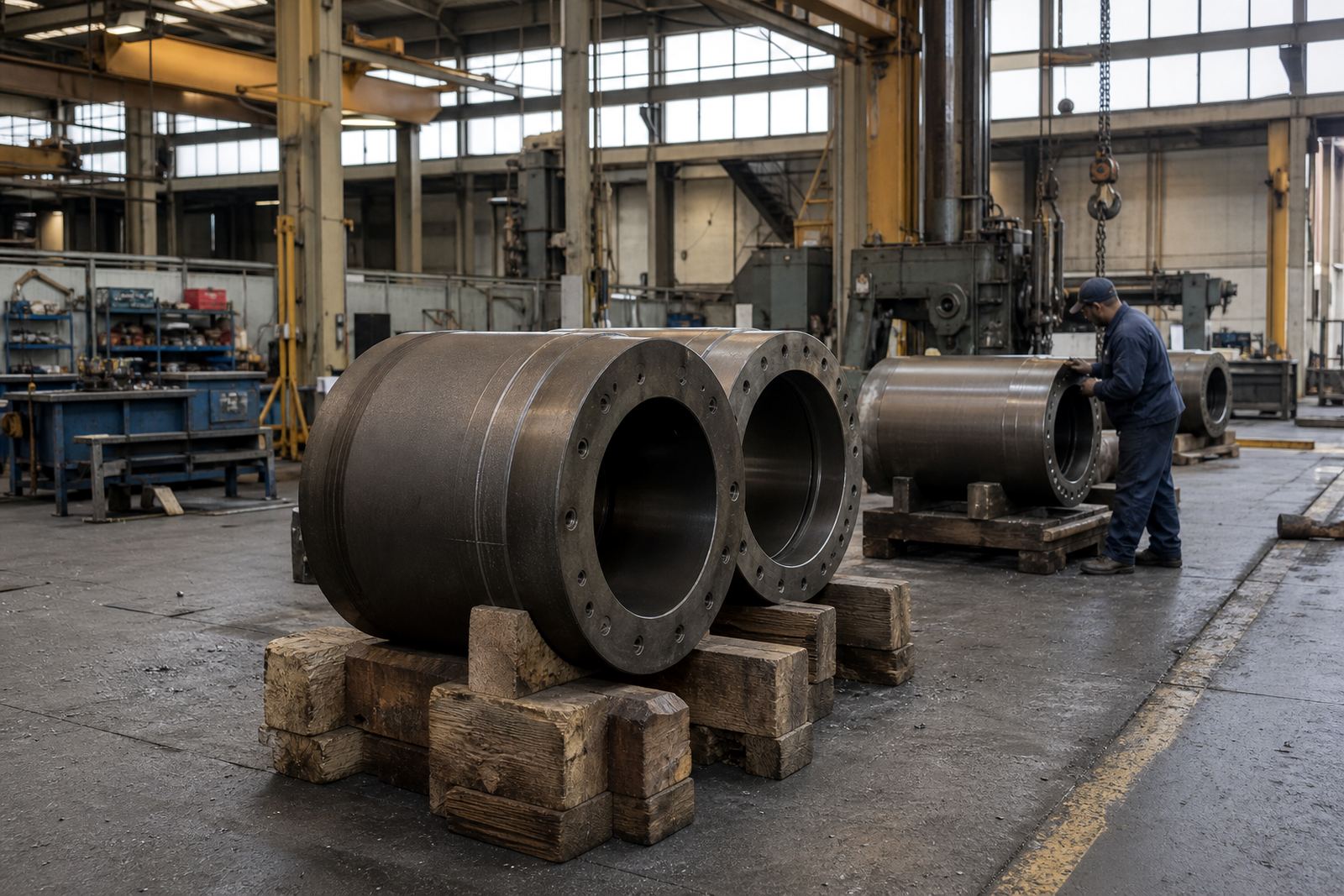
The client was a mining-related supplier in Rustenburg handling internal machining work for wear parts, housings and long components that could not be managed well with general-purpose equipment. Their team needed a focused gun-drilling and deep-hole boring solution, plus support on tooling and setup so the work could run with less rework and fewer stoppages. The brief was practical: keep bore quality consistent, reduce time spent correcting alignment and make the process easier for operators on shift.
The biggest constraint was the nature of the work itself. Mining components often arrive heavy, uneven and already marked by previous operations, so setup has to be right first time. There was also the usual pressure around production deadlines, limited floor space and the need to keep dust, coolant and chip control under control in a busy workshop. In Rustenburg that means planning for power interruptions, heat and the kind of day to day interruptions that can throw off a job if the process is not set up properly.
What We Supplied And How It Was Set Up
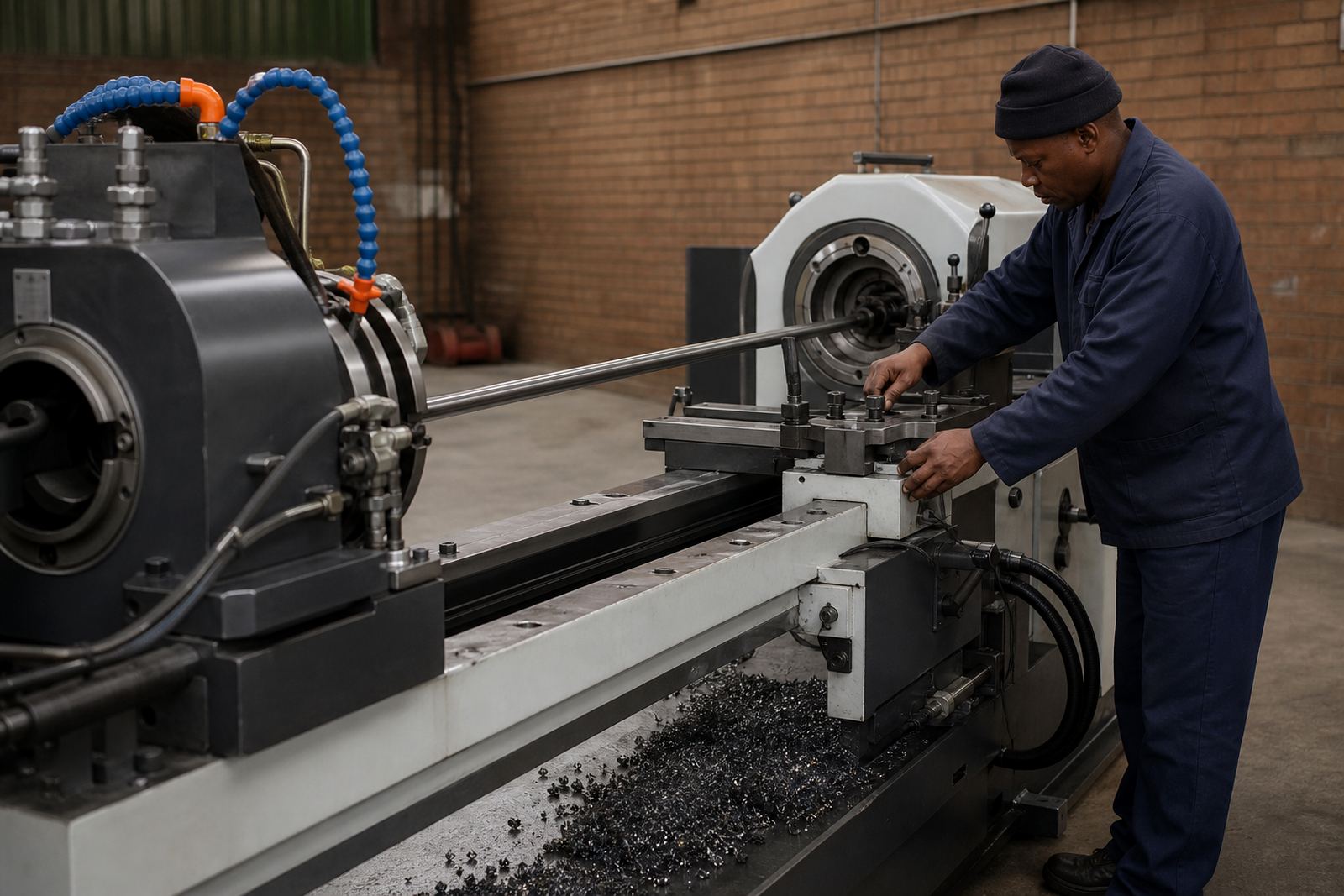
We supplied gun-drilling and deep-hole boring machine support matched to the work scope, along with tooling selection, alignment checks and commissioning support. The focus was on helping the client choose a process that suited their material mix and the internal features they needed to produce. We also assisted with setup optimisation so the team could load parts, set up boring tools and keep process control consistent from one job to the next.
- Machine installation and commissioning support
- Tooling selection for deep-hole work
- Alignment checks before production start
- Coolant system service and flow checks
- Operator training for safe daily use
- Spare parts support and breakdown response
We worked with the client’s maintenance and production staff to confirm the machine position, ensure the workholding was practical and check that the coolant system could support the drilling cycle. A key part of the job was making sure the setup allowed good chip evacuation and stable cutting conditions. That kind of detail matters a lot on long bores, because even a small setup error can affect straightness and surface finish.
Project Timeline And Site Support In Weeks
The project ran over 4 weeks from first briefing to production handover. Week 1 covered the site visit, process review and confirmation of the work envelope. In week 2 we finalised tooling requirements and installation planning. Week 3 was used for machine placement, alignment and commissioning. Week 4 focused on operator training, test runs and minor process adjustments before the client went into regular production.
We kept the schedule tight because the client needed the machine to fit into an active workshop without disrupting other work. The support plan included daily checks during startup and direct follow-up with the production team to catch any setup drift early. That approach helped the client avoid a stop-start handover, which is usually where a lot of small problems show up.
- Week 1: review, measurements and process brief
- Week 2: tooling plan and installation prep
- Week 3: commissioning and alignment
- Week 4: training, test work and handover
Why The Mining Team Needed Tooling And Process Discipline
Deep-hole work is not only about the machine. It depends on the complete process from tool selection to coolant control, chip management and operator method. For this Rustenburg site, the main concern was keeping the drilling process stable on demanding components that could not tolerate wander or poor finish. We guided the team on setup discipline, tool handling and where to look first when dimensions start moving out.
The client also needed support that fits local workshop reality. In mining support yards, work often runs across multiple shifts and the pressure is to keep production moving even when supply chains, electricity or maintenance windows are not perfect. By setting up practical checks and training the operators to spot early signs of trouble, we helped the team work with less guesswork. It also reduced the chance of expensive damage to tooling or workpieces. A small issue caught early saves a lot of time later, and that is especially true on long bore jobs.
Results For The Rustenburg Workshop
Once the machine and tooling setup were in place, the client had a cleaner production route for internal machining work and better control over repeat jobs. The team could set up with more confidence, which cut down on adjustment time and reduced the need for rework on the first pieces. Operator training also meant the day shift and follow-on shift were working from the same method, rather than each person making their own changes.
The real result was steadier output on a job type that usually causes delays when the process is not well controlled. The client gained a clearer maintenance routine, better coolant management and a more dependable way to handle deep-hole requirements. That matters in mining supply, where one missed bore or one lost day can affect the rest of the workshop schedule.
- More consistent setup from shift to shift
- Better bore control on long components
- Less rework during startup
- Clearer maintenance and service routine
What We Would Do Again On A Similar Mining Job
If we were starting a similar Rustenburg project again, we would follow the same approach: site review first, then tooling choice, then installation and training. That sequence keeps the job practical and avoids forcing a machine into a process it was never set up for. We would also keep a close eye on alignment, coolant delivery and operator handover because those are the areas that usually decide whether deep-hole work runs smoothly or turns into repeated troubleshooting.
For mining suppliers and engineering shops across Johannesburg, Pretoria, Durban, Cape Town and Gqeberha, this kind of support is often the difference between having a machine on the floor and having a process that actually works. Our Benoni base gives us access to Gauteng and the rest of South Africa, with support for installation, commissioning, training, preventive maintenance and breakdown response when it is needed.
Key facts
| Project town | Rustenburg, North West |
|---|---|
| Client type | Mining-related supplier |
| Core work | Gun-drilling and deep-hole boring support |
| Scope | Machine installation, commissioning, tooling selection and operator training |
| Timeline | 4 weeks from briefing to handover |
| Support base | Benoni, Gauteng |