Why bushings and guides matter at the start of a deep hole
When you are gun-drilling or deep-hole boring, the first few millimetres set the tone for the rest of the job. A properly selected bushing or guide supports the tool at entry, reduces chatter and helps control the direction of the hole before the cutting action settles into a steady run. That is important on long runs, on slender parts and on work where repeatability matters from the first piece to the last.
In practice, these support components help reduce the risk of wandering, marking and uneven entry. They are used in setups where the workpiece needs a fixed point of support close to the cutting zone, especially when tolerance is tight or when the component is awkward to clamp. For shops in Benoni, Johannesburg, Pretoria, Durban, Cape Town and Gqeberha, that can mean better first-pass results and less time spent reworking parts.
Support hardware is not one-size-fits-all. The right guide depends on the machine, the tool shank, the hole size, the material and the way coolant is delivered. On some jobs the main need is positional control, on others it is wear resistance or quicker changeover between part types. Getting that choice right upfront saves time later and helps the operator keep production moving, even during load-shedding planning and shift changes.
Sizes, formats and support options for different shop setups
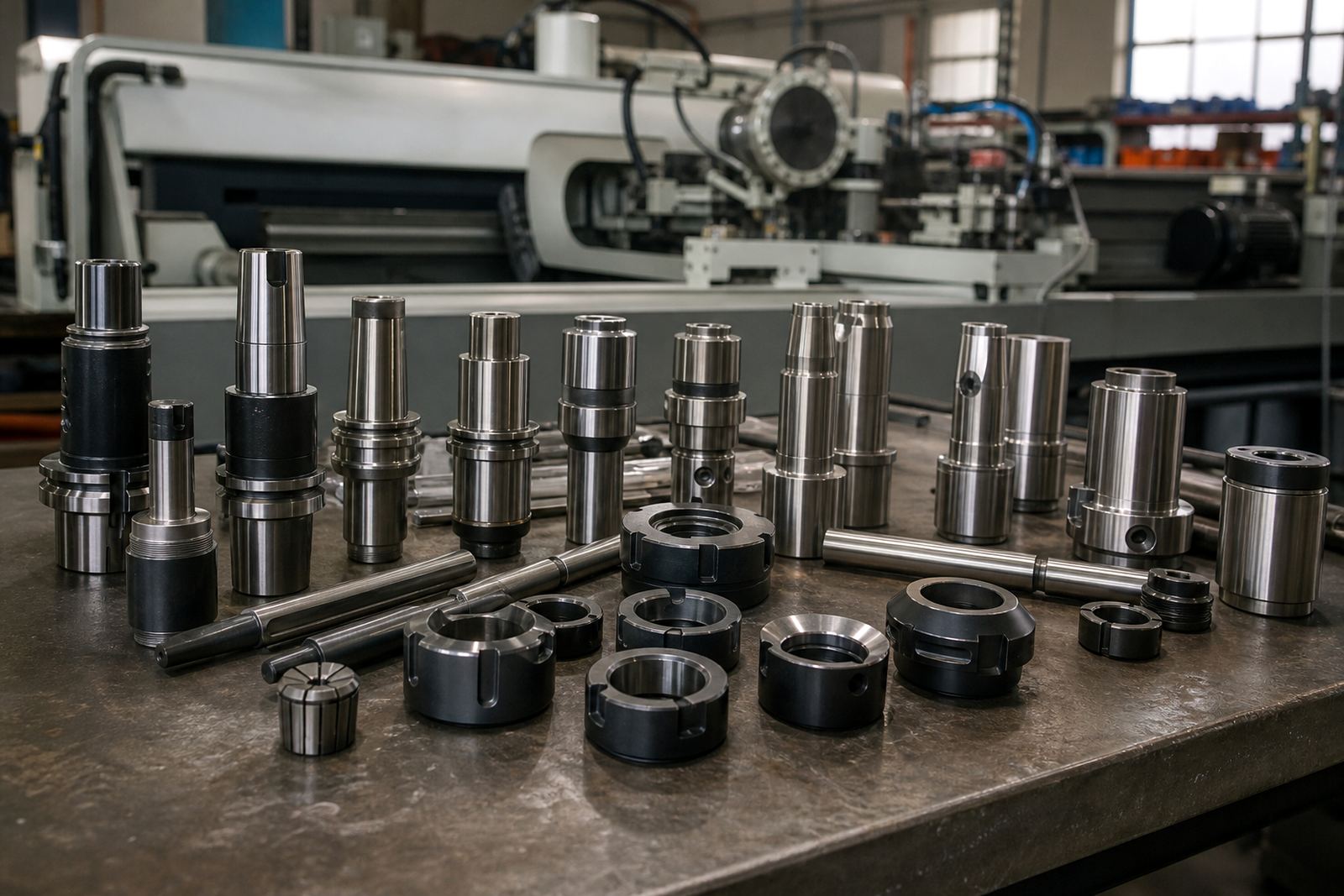
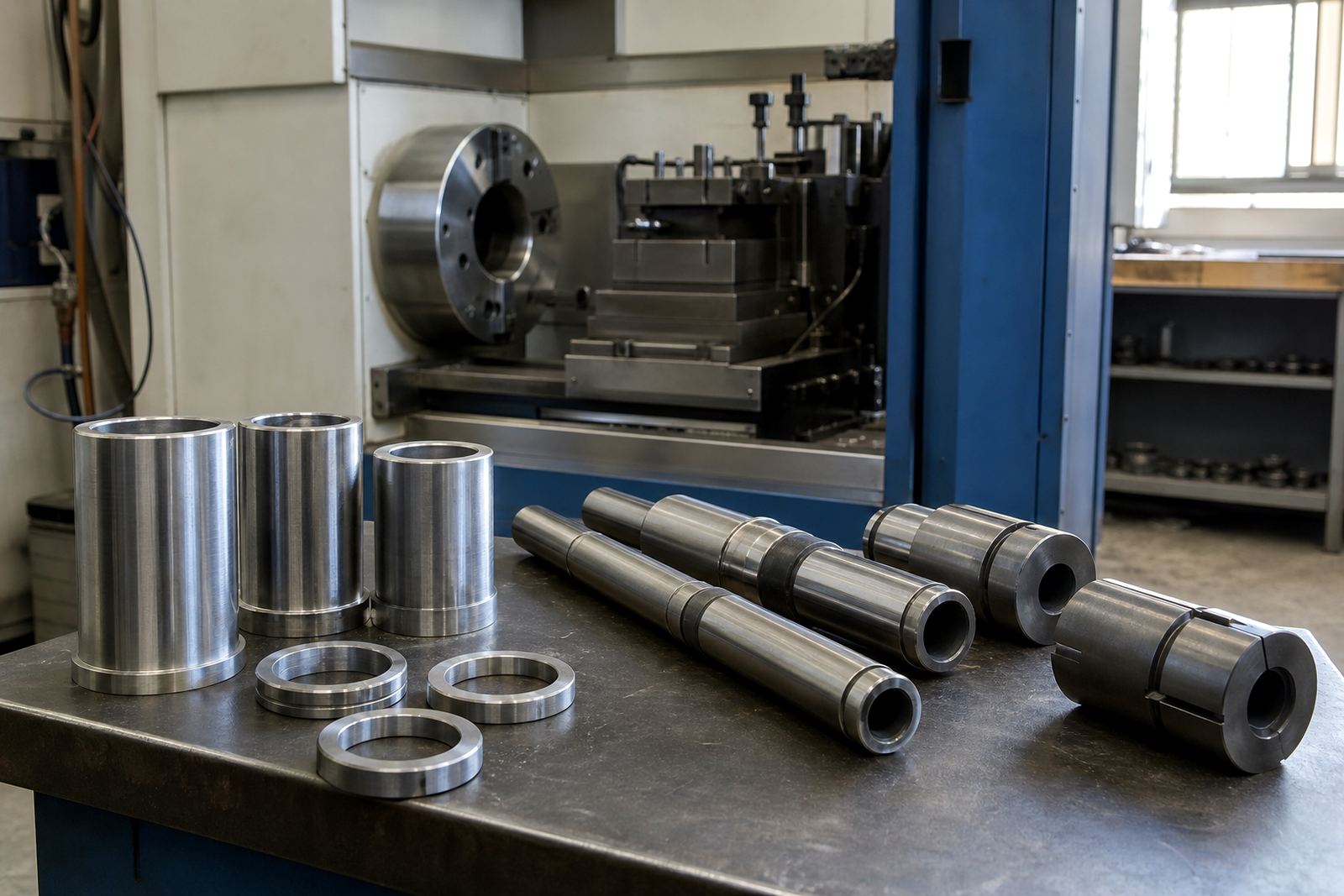
Bushings and guides are supplied in formats suited to the machine and the workholding arrangement. Some are fitted into a fixture or front plate, while others are made for dedicated entry support. Deephole helps clients match the support component to the bore size and the tool geometry, so the entry point is aligned with the process rather than forced to suit a generic part.
- Guide size matched to the tool diameter and hole start requirement
- Material choice based on wear, friction and production volume
- Fixed or replaceable wear surfaces depending on maintenance preference
- Options for repeat setups where the same part is produced often
- Suitable for single machine cells or multi-machine production environments
Where a shop handles mixed work, it often helps to keep a small range of support sizes on hand. That gives the team flexibility when the next job is smaller, deeper or made from a tougher grade of material. We assist with tooling selection so the bushing or guide suits the actual production task, not just the drawing.
Where bushings and guides suit gun-drilling and deep-hole boring
These components are used wherever stable entry and controlled hole starting conditions are needed. They are common in engineering shops making shafts, valve bodies, hydraulic parts, mould components and other precision workpieces where the hole must start cleanly before the deeper cut begins. If the first stage is off centre, the rest of the process can follow that error, so the support setup matters.
They are also useful when the workpiece material tends to deflect the tool or when the job has a long slender form. In high volume work, consistent support helps operators maintain a repeatable start from one shift to the next. In lower volume and custom work, the benefit is often in setup confidence, particularly when the part is expensive or the production window is tight.
For South African sites dealing with mixed power stability, shift work and varied ambient conditions, a dependable support component gives the operator one less variable to manage. Coastal humidity in Durban and Gqeberha can also influence storage and handling, so keeping guides clean and dry between jobs is worth the effort.
Installation, alignment and utilities needed at setup
Bushings and guides need to be installed square, secure and in line with the intended hole path. If the support point is out of alignment, the tool can start off centre or wear unevenly. Deephole assists with installation, commissioning and alignment checks so the entry support works with the machine and the fixture rather than against them.
- Check fixture rigidity before mounting the guide
- Confirm hole position against the drawing and datum points
- Set coolant delivery so flow reaches the cutting zone cleanly
- Verify access for the operator and maintenance team
- Allow enough room for safe loading, inspection and tool changeover
Power needs depend on the machine and support system in use, but the guide itself does not usually need a separate power feed. Where coolant systems or auxiliary units are involved, the site must provide the correct electrical supply and clean coolant. Compressed air may be needed on some setups for chip control or cleaning, so it is worth confirming utility access before the job starts.
Care, cleaning and servicing between production runs
Support components last longer when they are kept clean and checked regularly. Chips, fines and coolant residue can build up around the entry area and affect the next run. After each production cycle, the guide should be inspected for wear, scoring or looseness, then cleaned and stored in a dry place. On coastal sites this is especially important because moisture can lead to surface corrosion if parts are left dirty.
Preventive maintenance should form part of the normal machine routine. That includes checking the fit, confirming alignment, looking for damage after any drill breakage and replacing worn wear surfaces before they affect part quality. If the same part is produced again later, a quick inspection can save a lot of setup time. Our service team can assist with preventive maintenance, breakdown support and coolant system service where needed.
What to check before you order a bushings and guides set
Before ordering, it helps to have the process details ready. That lets us match the support component to the job without guesswork and reduces the risk of delays when the machine is ready to run. The more complete the information, the faster we can help with selection and setup support.
- Machine type and whether it is for gun-drilling or deep-hole boring
- Tool diameter, shank style and the intended hole size
- Workpiece material and any hard or abrasive zones
- Required entry accuracy and repeatability
- Fixture layout, mounting space and access around the part
- Coolant delivery method and any compressed air requirements
It is also useful to note where the part will be run, since different sites have different maintenance routines and production pressures. A busy job shop in Johannesburg may need faster changeover support, while a production line in Cape Town may prioritise repeatability and spare parts availability. We support customers from Benoni and the wider East Rand through to Gauteng, Durban, Cape Town and Gqeberha with machine installation, training, troubleshooting and spare parts support.
Key facts
| Product type | Support component for tool entry and controlled hole starting |
|---|---|
| Typical use | Gun-drilling and deep-hole boring setups |
| Sizing | Matched to tool diameter, bore size and fixture arrangement |
| Mounting | Fixed, replaceable or fixture-mounted depending on setup |
| Service support | Installation, alignment checks, maintenance and troubleshooting |
| Coverage | Benoni, Gauteng and major industrial centres across South Africa |