What burnishing tools do in a production line
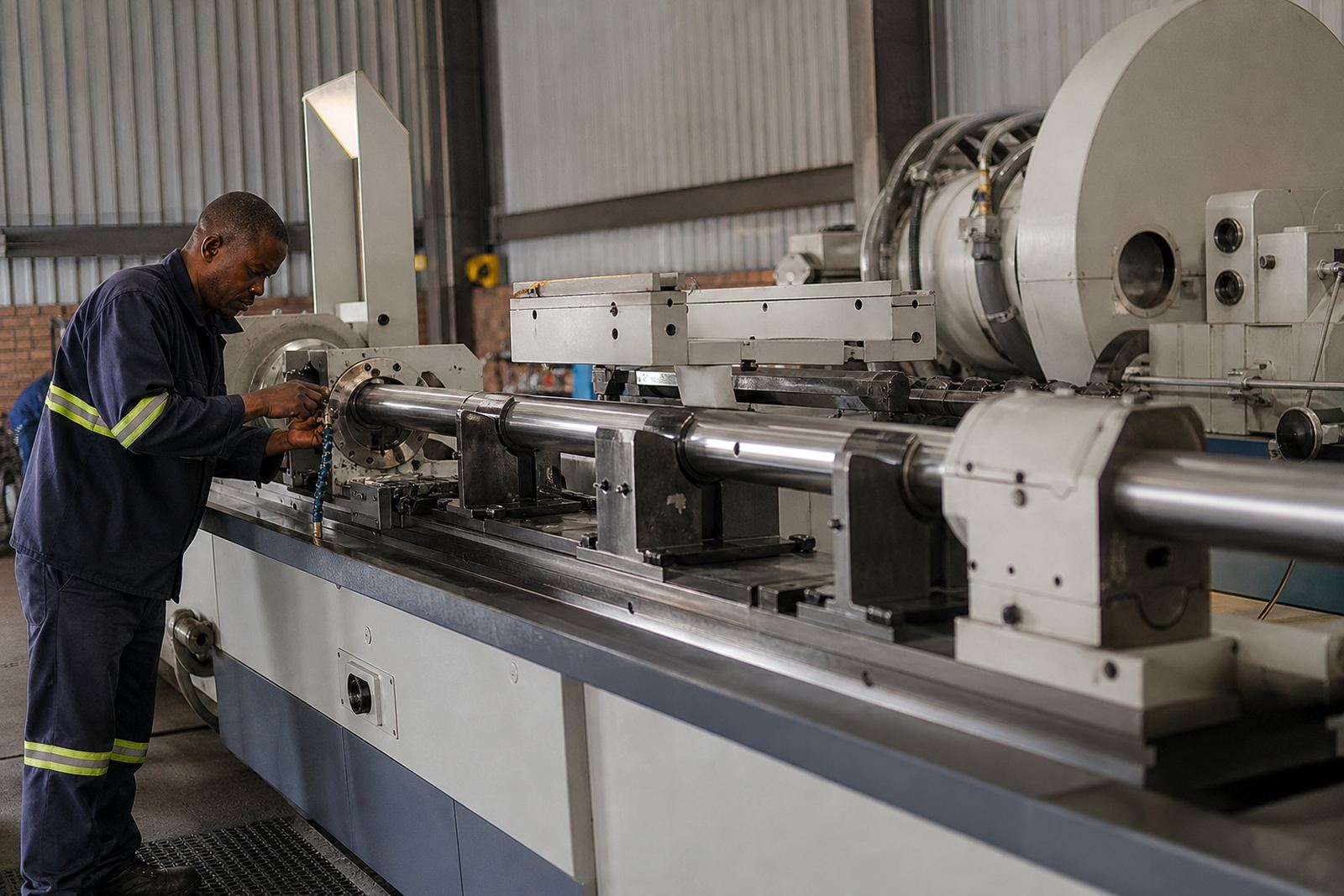
Burnishing tools are internal finishing tools used after a hole has already been drilled, bored or pre-machined. The tool works by smoothing the inside surface rather than cutting away material in the usual way, which makes it useful where the final hole condition matters for fit, flow or repeatability. In many shops, burnishing is part of the final process before assembly, sealing or further machining.
For South African manufacturers working on shafts, hydraulic parts, sleeves and precision components, a burnishing pass can help reduce visible tool marks and improve the feel of the bore. It is not a substitute for sound drilling practice, and the starting hole still needs to be straight, clean and within the right size range. If the bore is poor to begin with, the burnishing tool will not fix that on its own, so correct setup matters from the start.
Deephole supports burnishing tool selection alongside deep-hole drilling and boring work, so the tool matches the job rather than being forced into a process it was not meant for.
Sizes, styles and options to match the bore
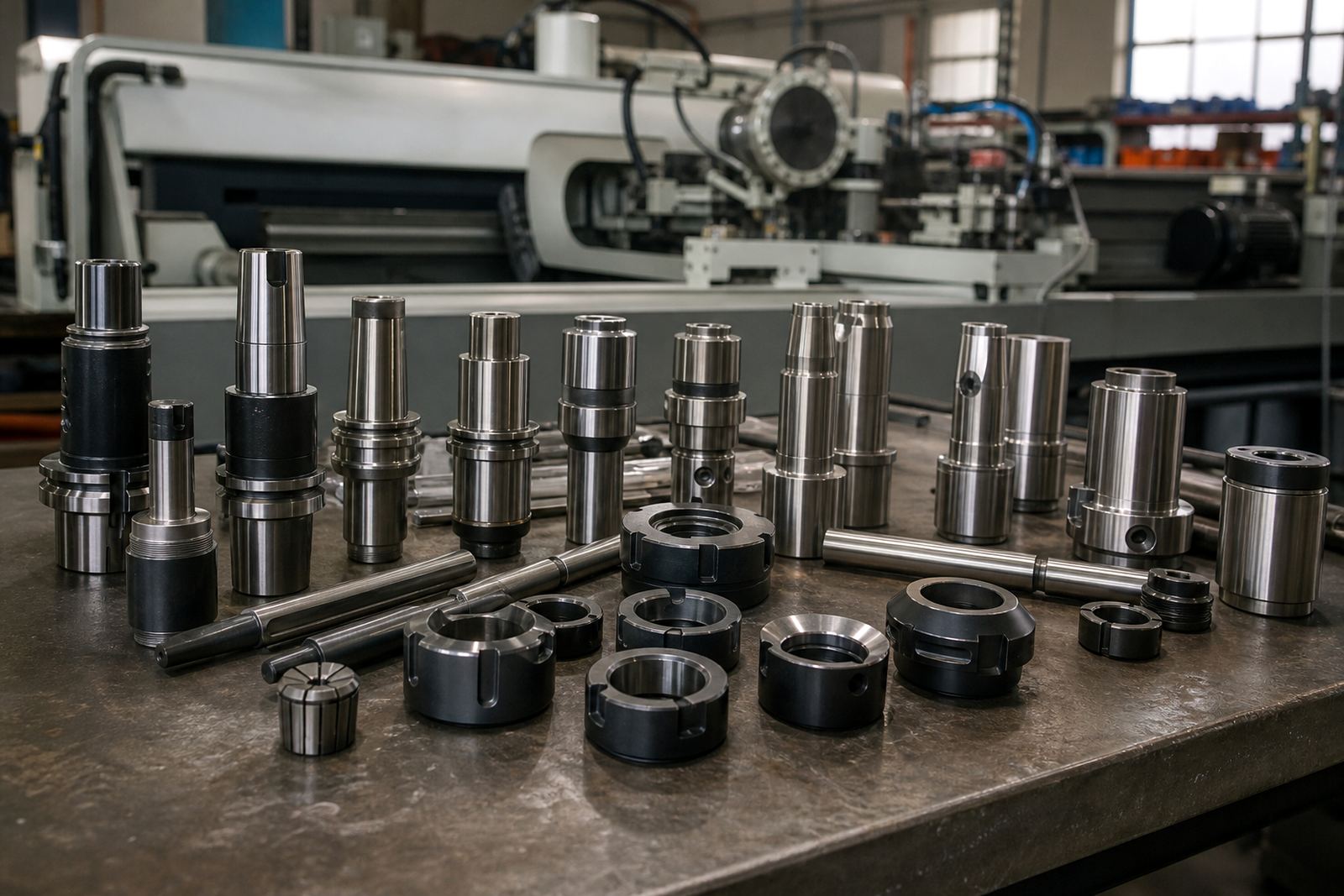
Burnishing tools are selected according to bore diameter, material, surface condition required and the machine setup. Some jobs call for a fixed-size tool, while others need an adjustable arrangement that can be set to suit the finished hole size. For certain production runs, the right choice may also depend on whether the tool will be used on a dedicated deep-hole machine or on a conventional machining centre with the correct support.
Common buying points include the following:
- Bore diameter range required for the job
- Type of workpiece material, such as mild steel, alloy steel, stainless steel or non-ferrous material
- Length of the bore and whether access is restricted
- Required surface condition after finishing
- Tool shank or holder arrangement used on the machine
- Whether the tool is for a single operation or repeat production
Because burnishing is a finishing step, the right size is not just about the nominal hole diameter. It also has to suit the entry condition, the machine rigidity and the way coolant or lubrication reaches the cutting area. A tool that is too aggressive can mark the surface instead of improving it, while one that is too light may do very little.
Where burnishing suits South African workshop work
Burnishing tools suit shops that need cleaner internal surfaces on parts used in hydraulics, pneumatics, general engineering and production components. They are also useful where a bore must take a seal, guide component or moving part that benefits from a better finish. In Gauteng, many machine shops use this kind of tool on repeat work where turnaround time matters and rework is costly.
Typical applications include:
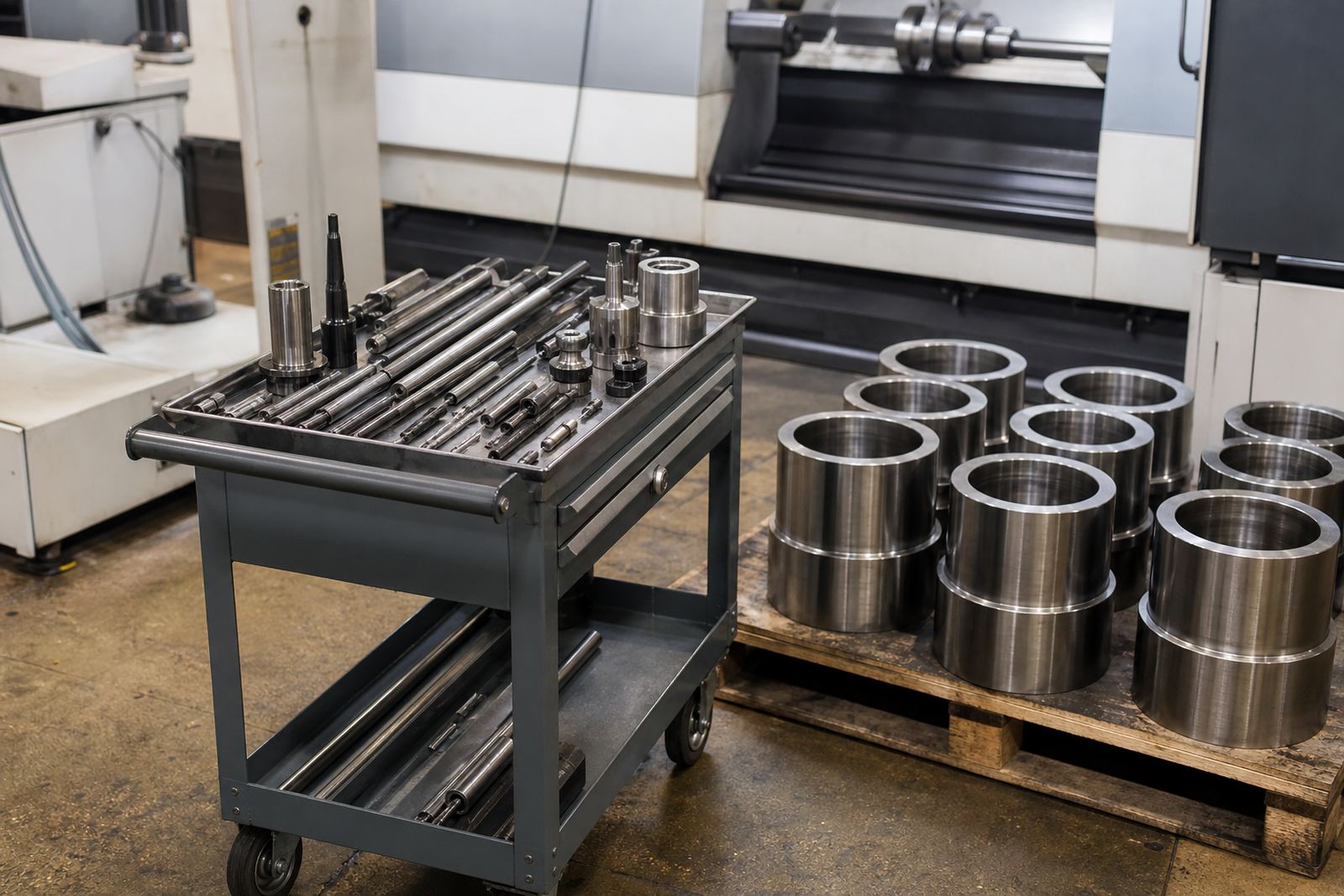
- Hydraulic cylinder bores
- Precision sleeves and bush housings
- Parts with internal flow passages
- Components needing a more consistent internal finish before assembly
- Production runs where the bore finish must remain stable from batch to batch
For shops in coastal areas like Durban and Gqeberha, storage and handling matter as much as tool choice. Humidity can affect tooling condition, packed parts and accessories if they are left exposed. In inland areas, dust and workshop heat are more common concerns. A burnishing tool should be stored clean and dry, with the working surfaces protected so the tool is ready when the next job comes in.
Installation, machine support and power requirements
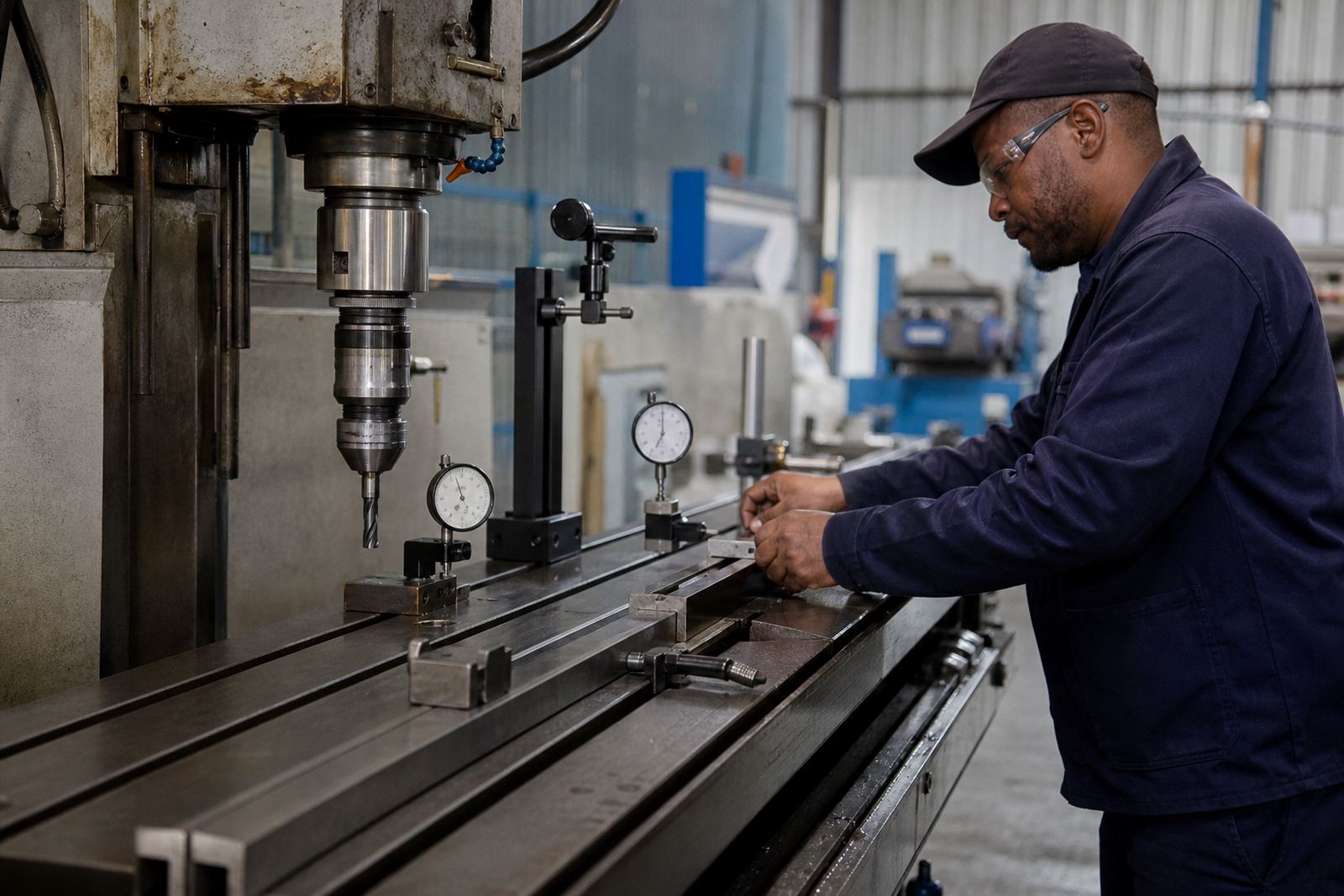
Burnishing tools need correct setup if they are to produce a reliable finish. That starts with proper alignment of the workpiece, sound machine rigidity and the right tool holder or guide arrangement. The bore must be prepared correctly before the tool enters, and the machine needs enough support to keep the tool stable through the full length of the pass. On longer bores, even a small alignment error can leave the finish uneven.
Most burnishing work does not call for special gas supply. What matters is the machine's mechanical condition, coolant delivery and the ability to control feed and speed correctly. If the tool is used on powered equipment, stable electrical supply is important, especially in areas affected by load-shedding. Many shops in Johannesburg, Pretoria and the East Rand plan their finishing work around machine availability and backup power arrangements so they can avoid interrupted runs and damaged workpieces.
Deephole assists with machine installation, commissioning, alignment checks and production startup where burnishing forms part of a broader deep-hole process. That includes practical setup support for shops that need to get a line running properly before production starts.
Care, servicing and signs the tool needs attention
Burnishing tools last longer when they are cleaned after use and checked before the next job. Chips, coolant residue and fine swarf can build up around the working surface and affect how the tool behaves. If a tool is left packed away dirty or wet, it may pick up corrosion or develop wear that shows up in the finish on the next bore.
Routine care should cover the following:
- Clean the tool after each run
- Inspect the working surfaces for scoring, wear or damage
- Check moving parts and adjusters for smooth operation
- Store the tool dry and protected from dust and moisture
- Confirm coolant system delivery is clear and consistent
- Keep a record of the jobs the tool has run, especially on repeat production
If the finish starts to change, or the tool begins to chatter, mark the bore or require extra force to run, it is time to check the setup and the tool itself. In many cases the issue is not only the tool, but the bore prep, alignment or coolant condition. Deephole offers process troubleshooting, preventive maintenance and breakdown support, so shops can identify the cause before the problem spreads to more parts.
What to confirm when ordering burnishing tools
Before placing an order, it helps to have a clear picture of the bore and the machine. That makes it easier to match the tool to the job and avoid delays once the equipment arrives. If the application is unusual, Deephole can assist with tooling selection and the practical setup details needed to get the process right.
Please check the following before enquiry:
- Finished bore diameter and tolerance target
- Depth of the bore and whether it is straight or stepped
- Workpiece material
- Required surface condition after finishing
- Machine type and available holder or spindle arrangement
- Coolant method and flow available at the tool point
- Whether the job is one-off, repeat or production based
If the part will run repeatedly, it is worth discussing tooling support, spare parts and operator training at the same time. That can save time later, especially for shops in Benoni, Johannesburg, Pretoria, Durban, Cape Town and Gqeberha that need steady output and less downtime. Clients can reach Deephole through the enquiry form on our contact page for burnishing tools, setup advice and support across South Africa.
Key facts
| Tool type | Internal finishing tool for improving hole surface condition |
|---|---|
| Use case | After drilling or boring, where a cleaner bore finish is required |
| Size range | Selected to suit the finished bore diameter and application |
| Machine fit | Supplied to suit the machine holder, spindle or guide arrangement |
| Support | Selection, setup, commissioning, troubleshooting and training |
| Service areas | Benoni, Johannesburg, Pretoria, Durban, Cape Town, Gqeberha and nationwide |