
What a CNC Gun Drill Does on the Shop Floor
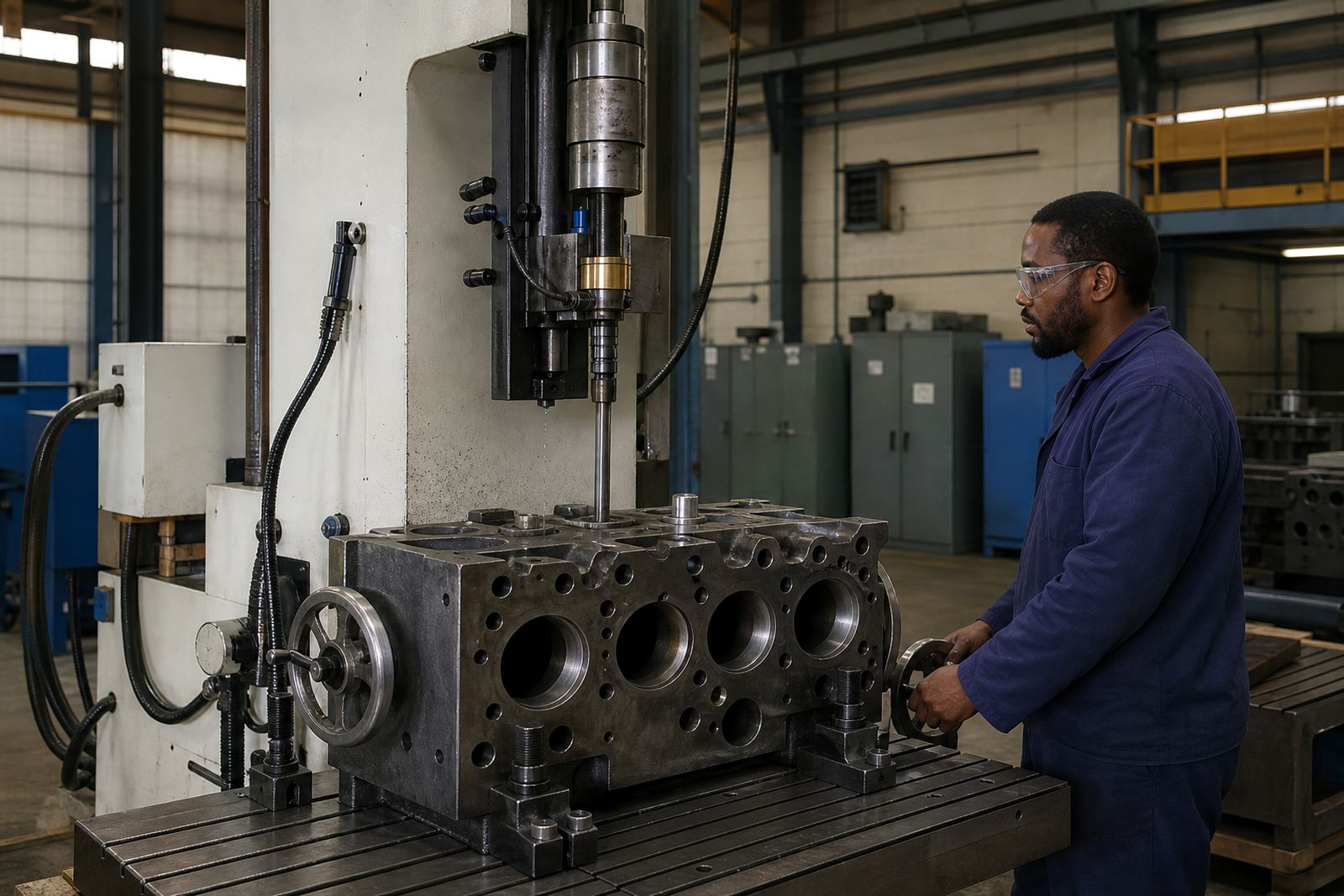
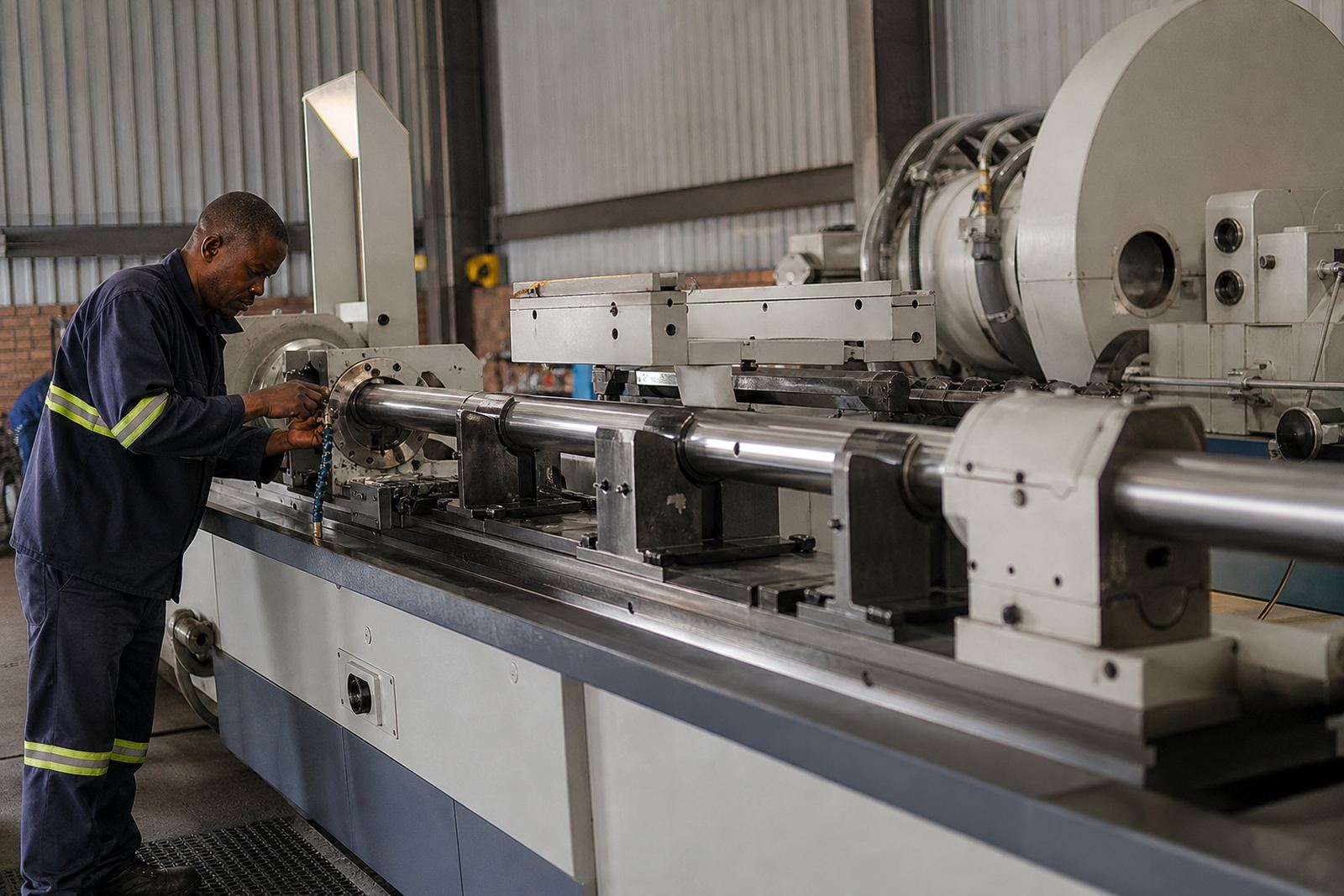
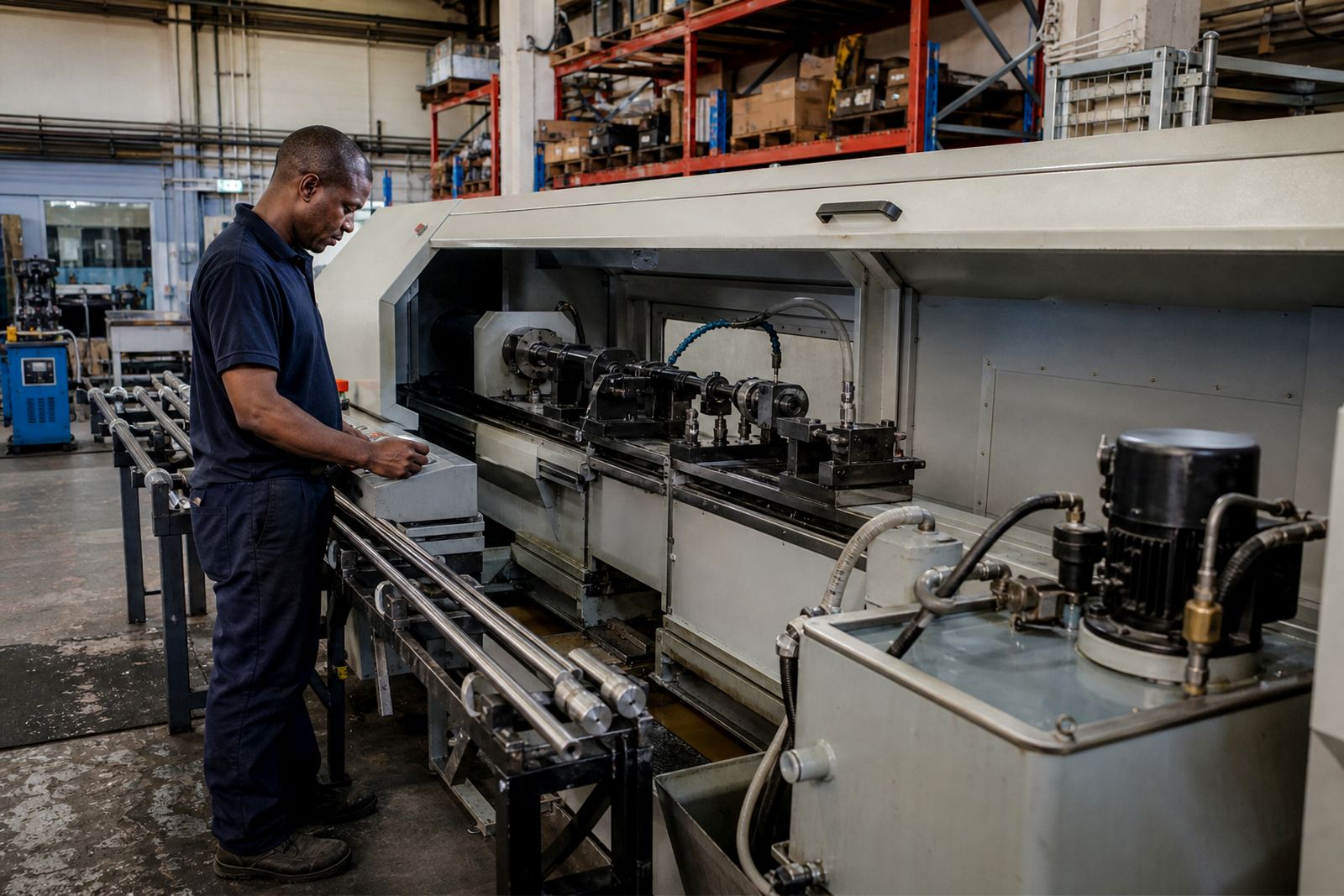
A CNC gun-drilling machine is built for drilling long, straight holes in metal with controlled feed, high-pressure coolant delivery and accurate axis movement. It is commonly used where ordinary drilling struggles with hole depth, chip removal or finish quality. In production work, that means less rework, more repeatable parts and better control over cycle times.
For South African plants, the value is practical. If you are making shafts, mould parts, hydraulic components or other parts with deep holes, the right machine helps you hold tolerance and keep output stable across shifts. It also suits shops that need one machine to handle different jobs without constant hand correction. Setup matters too, because gun drilling is as much about process control as it is about the machine itself.
Machine Sizes, Configuration and Options
We supply CNC gun-drilling machines in configurations matched to the part, material and hole depth you need to work with. The right machine depends on the diameter range, the length of workpiece, the number of holes per part and whether you need a compact unit for a smaller bay or a larger production setup. For many buyers, the decision comes down to how much floor space is available and how the machine will fit into an existing production line.
- Single-spindle or production-focused configurations
- CNC control for repeatable positioning and feed control
- High-pressure coolant delivery for chip evacuation
- Workholding and fixturing matched to your part geometry
- Tooling packages for start-up and ongoing production
We help you select the machine, tooling and support package around the work you actually do, not just the brochure picture. That includes checking whether the job calls for automatic cycles, manual loading, extra support equipment or a specific setup for batch production.
Where This Machine Suits Best
CNC gun drilling suits manufacturers and engineering shops that need repeatable deep-hole work on metal parts in jobbing or production environments. It is a strong fit for shops doing components for hydraulics, tooling, machinery, automotive supply, general engineering and similar work where hole quality affects the end result. If you need the same hole placed accurately across many parts, CNC control gives you consistency that manual methods cannot match.
In Gauteng, KwaZulu-Natal, the Western Cape and the Eastern Cape, we see interest from shops that need dependable drilling through harder materials or longer sections where coolant flow and alignment are critical. Coastal humidity can affect stored tooling and machine condition, so care and maintenance planning matter as much as the purchase itself. For inland sites, dust and power interruptions are often the issue, so installation planning should take that into account.
Installation, Power and Air Requirements
Correct installation is a key part of getting good results from a CNC gun-drilling machine. Before delivery, we look at floor space, access for loading, foundation condition, power supply, coolant handling and how the machine will be linked into your current process. In some plants the machine can slot into an existing bay with minor changes, while in others the layout needs to be adjusted for part loading, coolant routing and safe operator access.
Power needs depend on the machine configuration and supporting systems, so we confirm the electrical supply before installation. Where compressed air is required for machine functions or cleaning, the supply must be dry and stable. If your site has load-shedding risk, it is worth planning for proper shutdown and restart procedures, especially on jobs that cannot be left mid-cycle. A machine in production is only as useful as the support around it, and that starts with a proper site check.
- Check floor space, door access and part handling route
- Confirm electrical supply and machine distribution needs
- Allow for coolant management and safe chip removal
- Plan for compressed air if the setup requires it
- Build in restart procedures for power interruptions
Tooling, Setup Optimisation and Operator Training
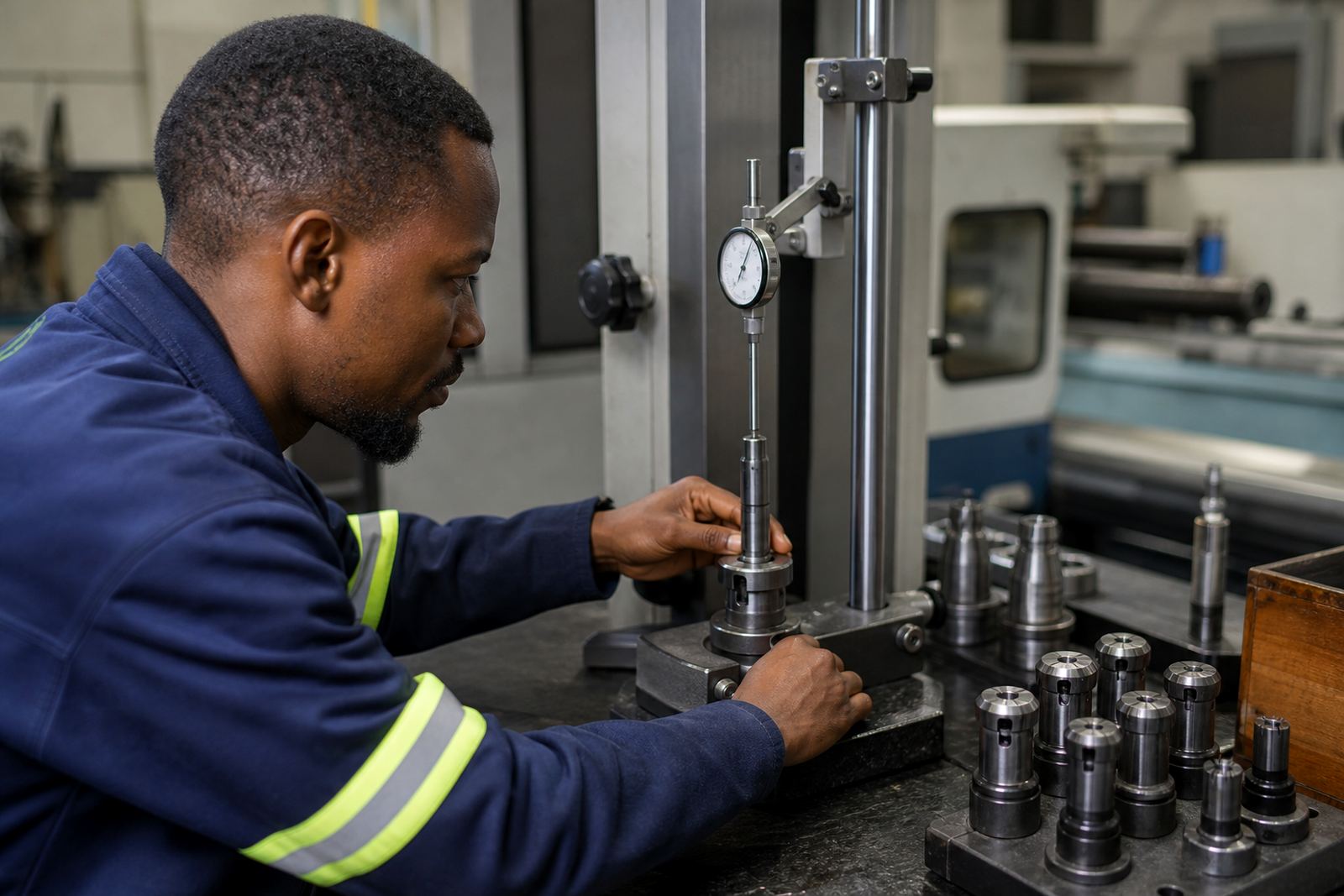
The machine is only one part of the process. Good tooling selection, correct setup and operator training make a direct difference to hole quality, tool life and cycle stability. Deephole supports customers with tooling selection, setup optimisation and production startup so the machine can be put to use properly from day one. We also help shops that already have a machine but need better drilling performance or less downtime.
Our team can assist with production start-up, alignment checks, process troubleshooting and operator training. That includes practical guidance on feeds, coolant delivery, workholding, tool wear checks and how to keep the process consistent from part to part. Small setup issues can cause big problems in deep-hole work, so the focus is always on reliable routine and not guesswork.
- Tool selection for the part material and hole depth
- Workholding checks to reduce movement and chatter
- Feed and coolant setup for stable cutting
- Operator training for day-to-day production use
- Troubleshooting for inconsistent finish or deviation
Care, Servicing and Breakdown Support
Like any precision machine, a CNC gun-drilling unit needs regular care to stay accurate and productive. Preventive maintenance helps protect the spindle, guides, coolant system and alignment, while routine checks keep small issues from turning into longer stoppages. In many shops, the first signs of trouble are not dramatic, just a small change in finish, sound or cycle consistency.
We support customers with preventive maintenance, breakdown support, coolant system service and spare parts support. If a machine starts to drift, we can check alignment and review the process before the issue affects more parts. For South African production sites, that kind of practical service can make the difference between a short interruption and a lost shift.
What to Check Before You Order
Before ordering a CNC gun-drilling machine, it helps to define the job clearly so the machine and tooling match your production needs. Start with the part drawings, material type, hole diameter range, hole depth, tolerance target and daily output requirement. Then check how the parts will be loaded, whether you need one-off jobs or repeat production, and whether the machine must fit into an existing line or stand alone.
It is also worth checking site conditions. That includes power stability, floor condition, access for delivery, coolant handling, chip management and where training will happen. If your shop works across Johannesburg, Pretoria, Durban, Cape Town, Gqeberha or the East Rand, we can talk through supply, support and commissioning from our Benoni base. The aim is to get the right machine in place with less rework and fewer surprises.
- Hole diameter, depth and material to be drilled
- Part size, loading method and floor space available
- Power supply, coolant handling and air needs
- Required tolerance, finish and production rate
- Tooling, training and maintenance support needed after delivery
Key facts
| Machine type | CNC gun-drilling machine for deep-hole production work |
|---|---|
| Control | CNC controlled drilling cycle and positioning |
| Coolant system | High-pressure coolant delivery for chip evacuation |
| Tooling | Gun-drill tooling and setup accessories matched to the application |
| Support | Installation, commissioning, training, maintenance and breakdown support |
| Use case | Repeatable deep-hole work on production parts in South African manufacturing |