
What a Pilot Hole Machine Does on the Shop Floor
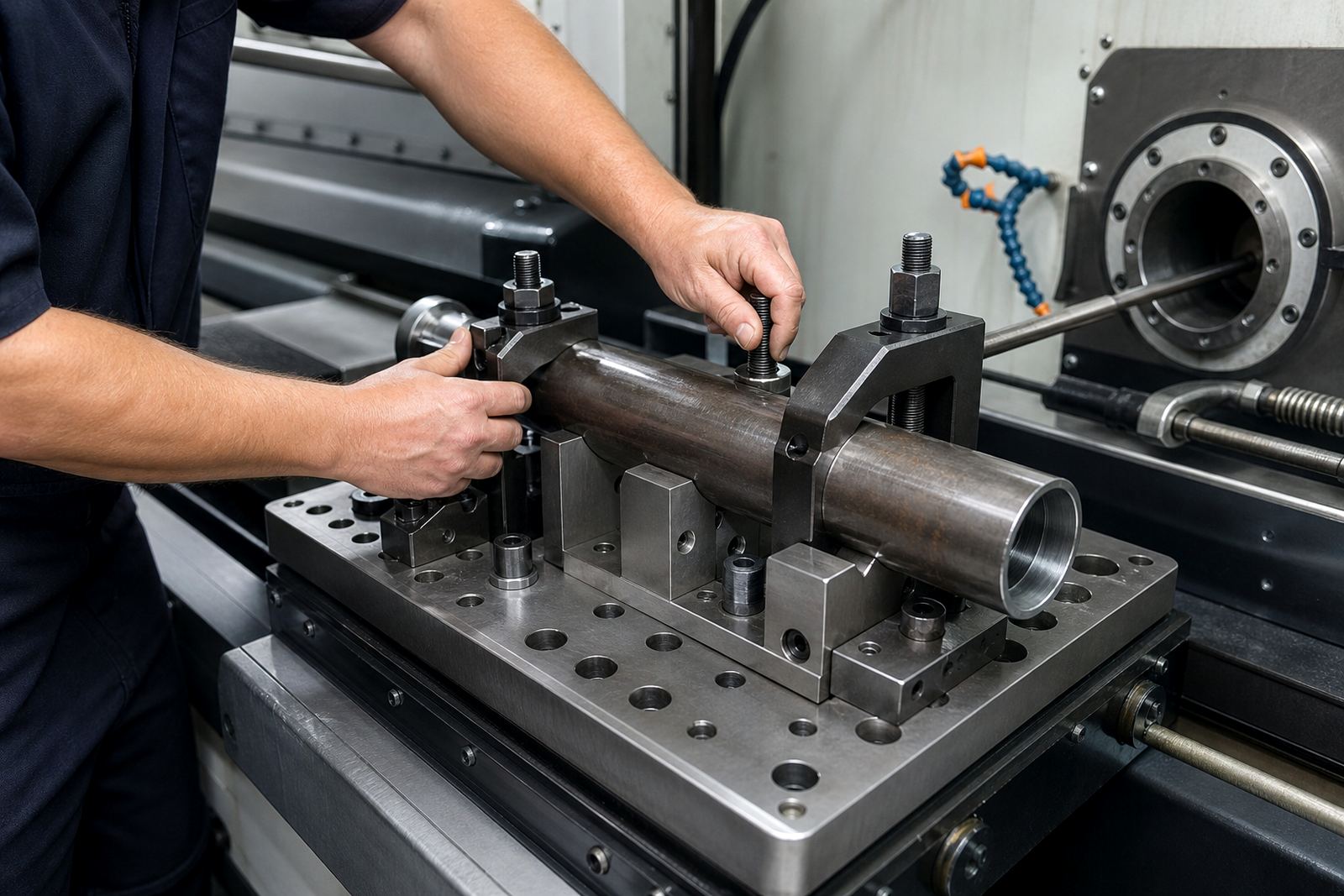
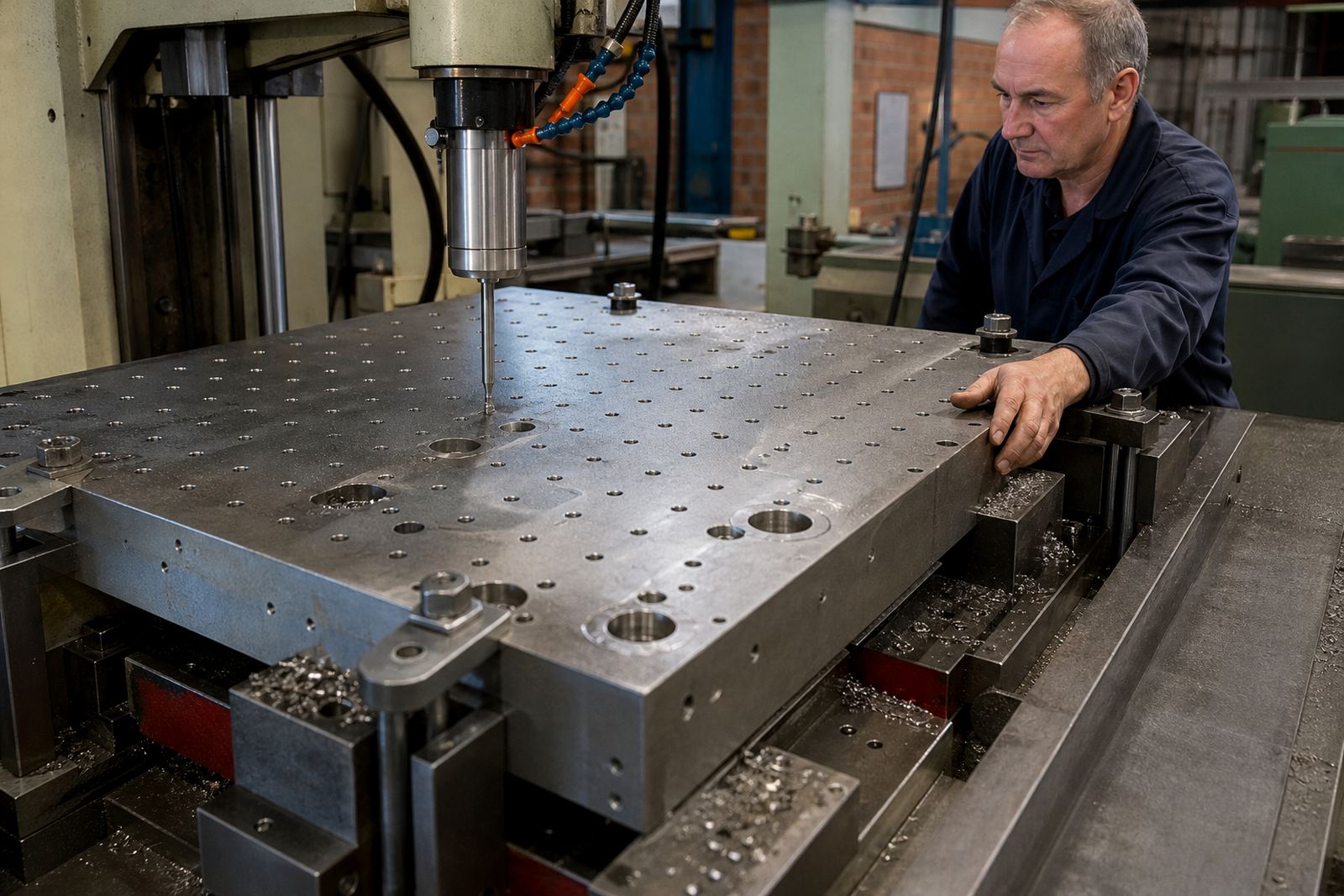
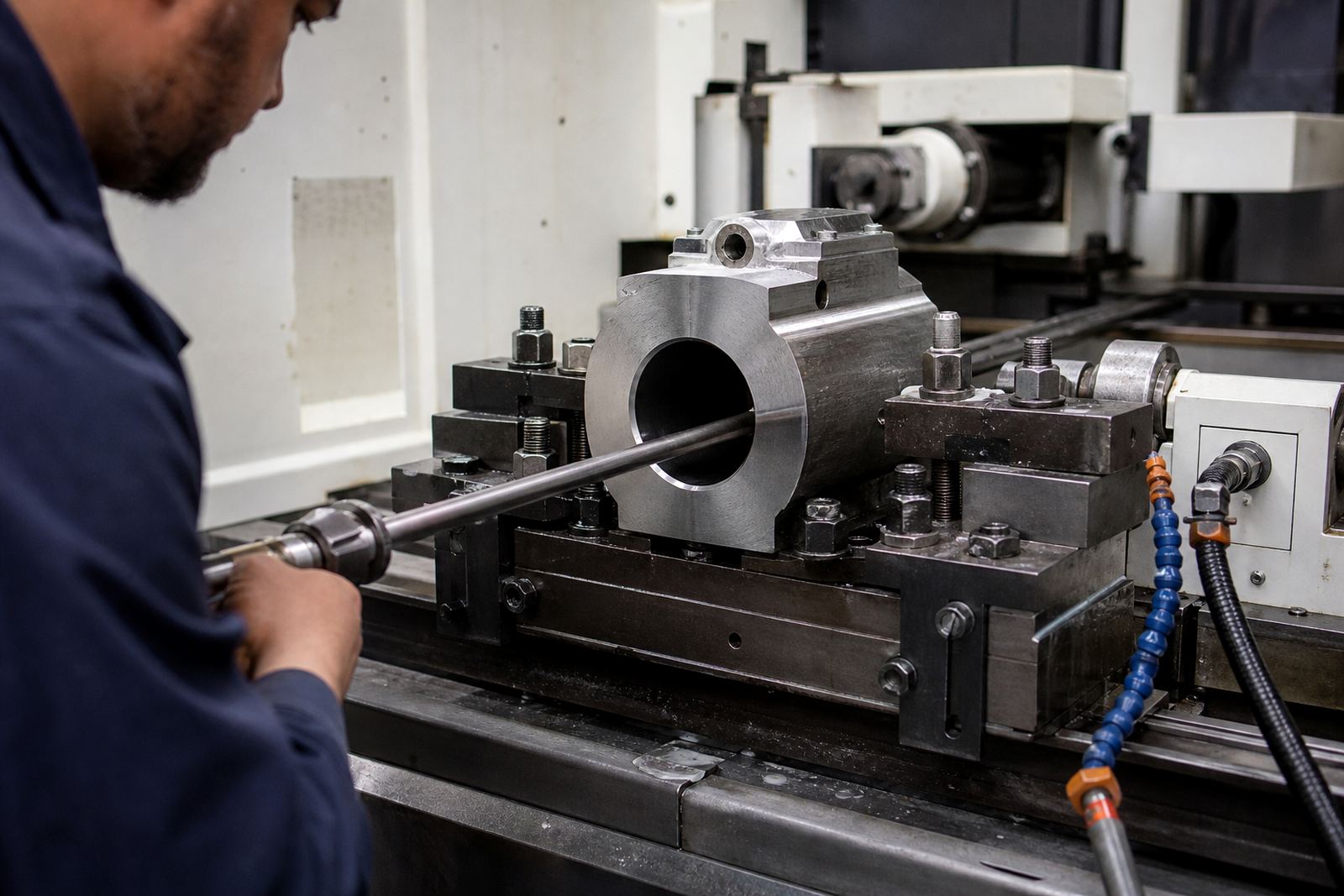
A pilot hole machine is set up to make a controlled starter hole before the main drilling, boring or finishing step. In practice, this helps reduce wandering, improves entry alignment and gives the operator a clean start point for deeper work on shafts, manifolds, hydraulic parts and other precision components.
For workshops in Gauteng, KZN, the Western Cape and the Eastern Cape, that first hole can save time later in the process. If the entry is off, the deeper operation has to work harder to recover the part. A proper pilot stage keeps the job predictable and helps protect tooling on the next machine. It also gives the machinist a better reference when the workpiece is long, heavy or awkward to clamp.
Machine Sizes and Setup Options
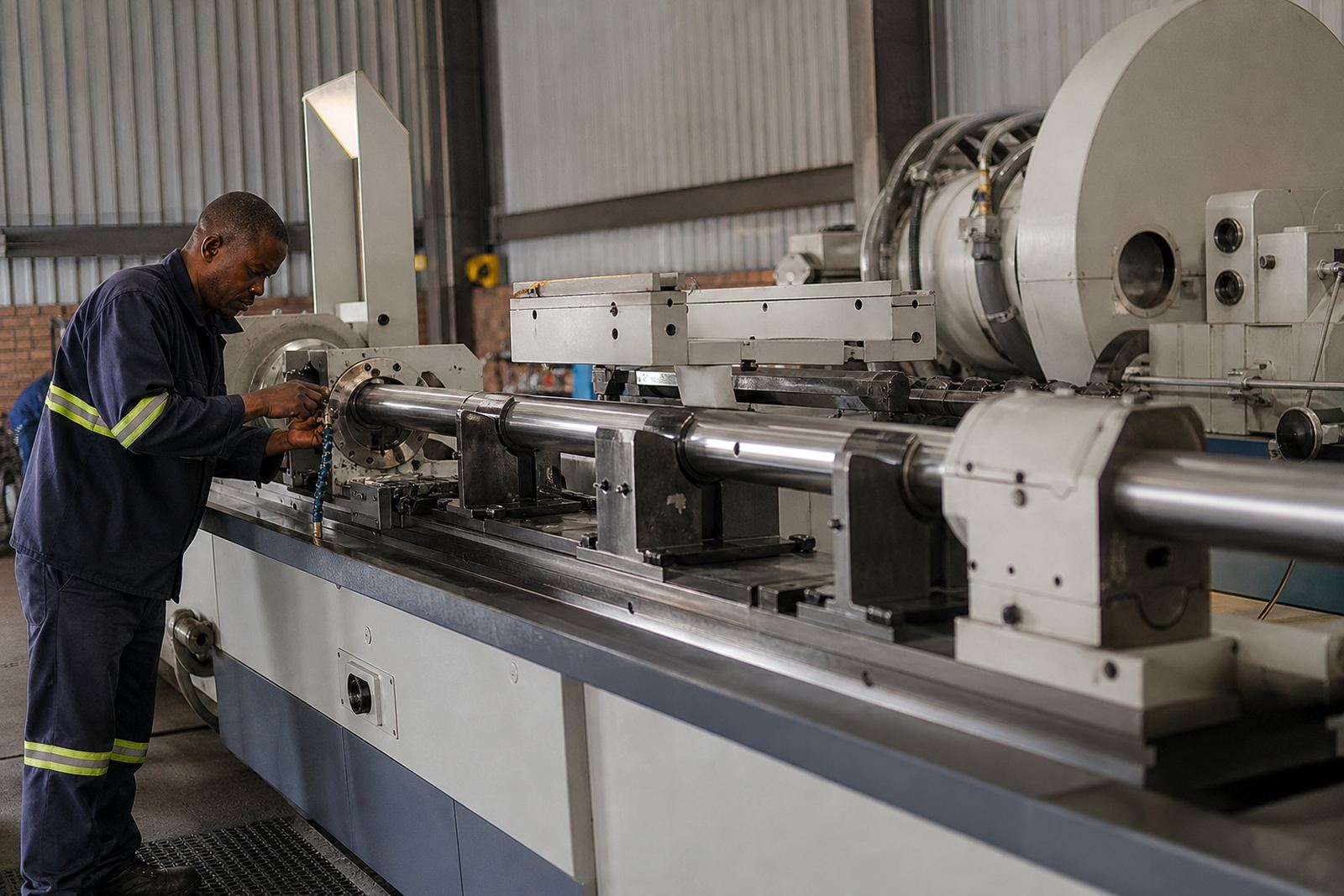
We supply pilot hole drilling solutions in a range of configurations so the machine can fit the part, the floor space and the way your shop works. The right setup depends on hole depth, component length, material type and whether the machine will run as a standalone station or as part of a larger production flow. For many South African workshops, the choice also comes down to available floor space and whether the unit needs to move between bays for production support.
Options normally considered include spindle arrangement, table layout, control system, workholding approach and tooling interface. Some shops need a compact unit for short production runs, while others want a heavier duty setup for repeated drilling on longer parts. During selection we also look at coolant handling, chip removal and how easy it will be to set up the next job. A tidy setup saves time on every shift, especially where load-shedding forces tighter planning.
- Single-station or production line use
- Manual, assisted or CNC controlled operation
- Workholding matched to the part diameter and length
- Tooling and guide arrangement suited to the drilling task
Where a Pilot Hole Machine Suits Best
This type of machine suits manufacturers and engineering shops that need clean starts before deeper machining. It is commonly used in hydraulic and pneumatic work, general engineering, component repair, precision fabrication and parts that must hold position through a later deep-hole process. Shops in Johannesburg and Pretoria often use it where turnaround time matters and repeatability has to stay consistent from one batch to the next.
It also suits environments where the part is expensive or the material is not forgiving. Stainless steel, alloy steels and other demanding materials need good control at the start of the hole. On coastal jobs in Durban, Cape Town and Gqeberha, the machine room must also cope with humidity and corrosion risk, so storage, coolant care and general housekeeping matter just as much as the cutting step.
- Manufacturing shops doing repeat precision work
- Engineering repair centres and production support bays
- Plants preparing parts for deep-hole boring or finishing
- Workshops handling long, heavy or high-value components
Installation, Power and Site Readiness
Installation starts with the site itself. We check floor level, access for moving the machine, lifting points, power supply and the route for coolant, chips and maintenance access. If the machine is going into a busy plant, the layout must allow safe loading and a clear path for the operator. In some cases, the biggest delay is not the machine but the space around it.
Power needs depend on the selected model and control package, so the supply must be confirmed before delivery. Most pilot hole machines do not need gas, but they do need clean electrical supply, proper earthing and stable support for safe operation. Where site power is affected by load-shedding, we help customers plan for restart procedures, safe shutdowns and a sensible production sequence after the power comes back. That kind of planning cuts down on wasted setup time and avoidable wear.
- Confirm floor loading and machine footprint
- Check electrical supply and earthing before installation
- Allow space for coolant service and chip removal
- Plan operator access and material handling routes
Tooling, Care and Servicing That Keep It Accurate
Even the best setup will drift if the tooling, coolant and alignment are not looked after. Pilot drilling tools must be selected for the material, hole size and cutting conditions. Dull edges, poor clamping or the wrong coolant mix can cause chatter, heat build-up and surface marks that carry into the next operation. A good tool and a clean setup usually solve more problems than people expect.
We support customers with tooling selection, setup optimisation, process troubleshooting and preventive maintenance. That includes alignment checks, coolant system service, breakdown support and spare parts support. On busy lines, the service schedule should be practical and tied to production, not just calendar dates. Regular checks help the machine hold accuracy, and they reduce the risk of a stop in the middle of a batch.
- Check alignment after moving the machine or changing the setup
- Replace worn cutting tools before finish quality drops
- Keep coolant clean and at the correct working level
- Inspect guides, clamps and support points for wear
What to Check Before You Place an Order
Before ordering, confirm what the machine must do on day one and what it may need to handle later. The most useful details are the part type, hole diameter, depth, material, batch size and any tolerance that must be held for the next stage. If the machine is feeding a deep-hole boring process, it helps to know the finishing machine and tooling plan as well, because the pilot hole must suit what comes after it.
You should also check the shop environment, power supply, operator skill level and whether training will be needed at startup. If the machine will be used by different shifts, that matters too. Our team can help with operator training, production startup and process troubleshooting so the first jobs are set up correctly, not fixed later. When all the basics are clear, the machine fits the work instead of forcing the work around the machine.
- Hole diameter, depth and part material
- Required accuracy and finish expectation
- Available floor space and power supply
- Tooling, coolant and operator training needs
Key facts
| Machine type | Pilot hole drilling machine for controlled starter holes |
|---|---|
| Use case | Starting holes ahead of deeper drilling, boring or finishing |
| Configuration | Selected to suit part size, production flow and workshop layout |
| Power | Model dependent, electrical supply to be confirmed before order |
| Gas requirement | No gas required |
| Support | Installation, commissioning, tooling, training and servicing in South Africa |